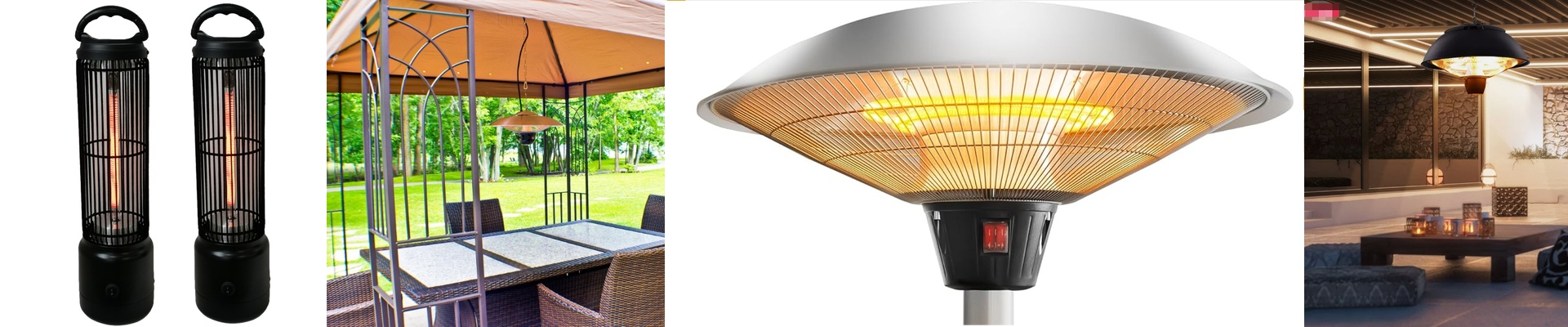
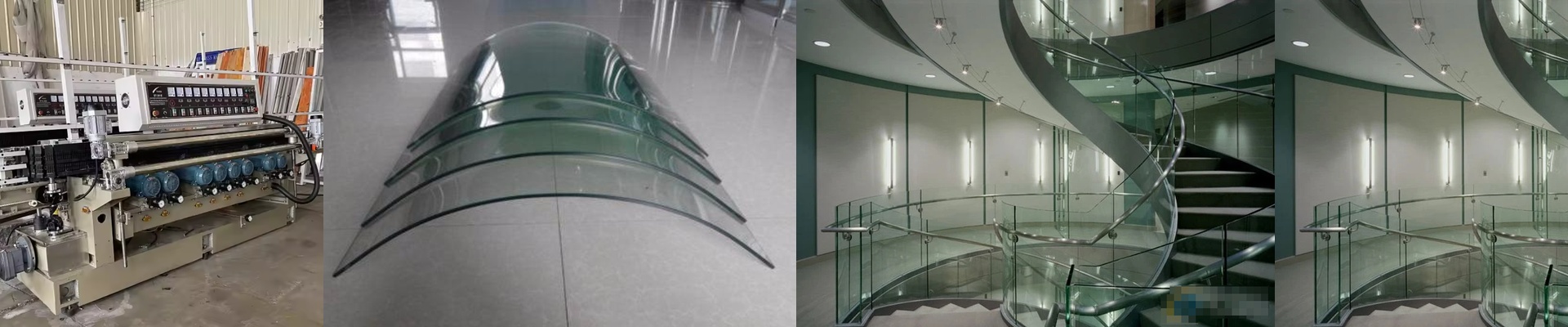
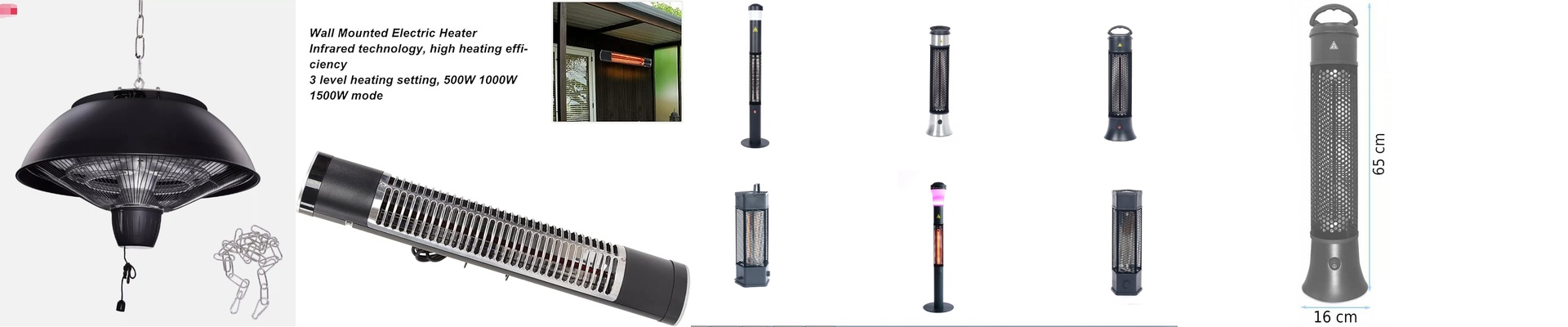
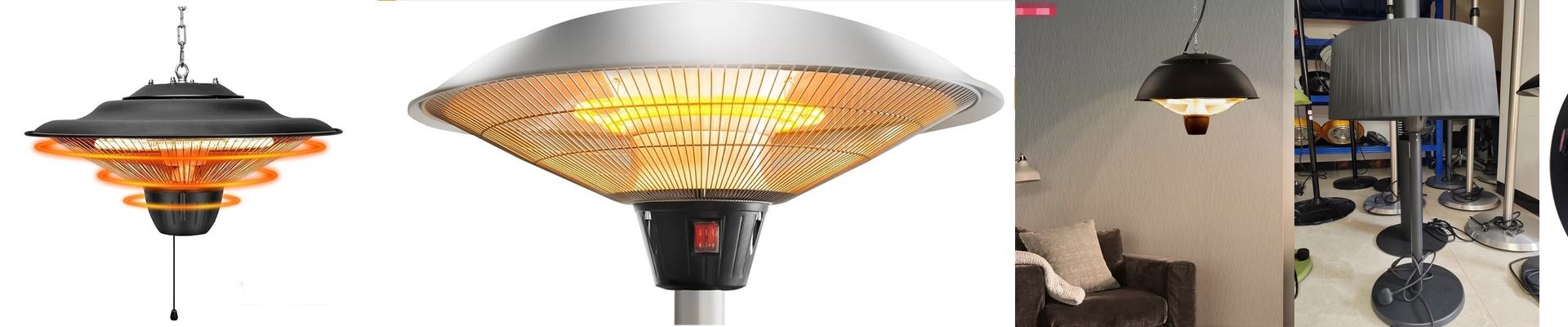
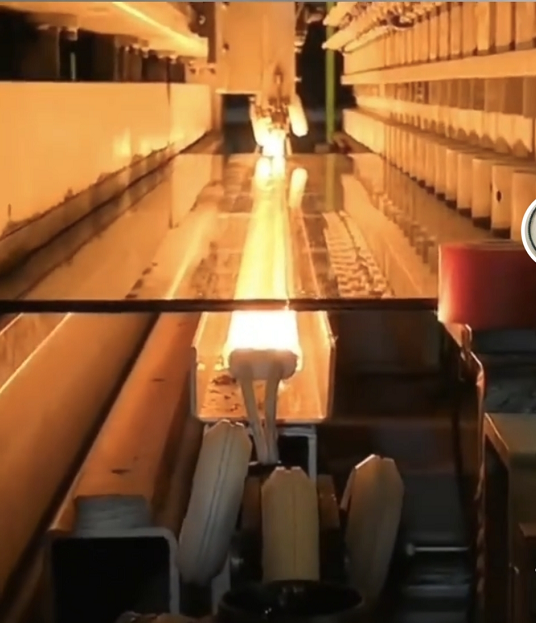
On the lamination line, the preheat step is where schedules slip and defects get their start. When the PVB film heats unevenly, you end up with trapped air, optical distortion, and adhesion that folds under thermal cycling. Convection ovens stretch out dwell time, and older halogen modules hit hot spots that show up as stress marks after autoclave. The PVB film preheating lamp was built to clear that bottleneck right where temperature uniformity and response speed set your yield. We run short-wave NIR emitters in a compact quartz lamp array, hitting the film fast on the surface with minimal air movement. The spectrum is matched to PVB absorption, so the energy goes into the film, not the surroundings. A tuned power profile climbs quickly into the pre-bond window, with tight control to avoid overshoot. The module is engineered as a drop-in for standard press-side fixtures, with mounting centers and terminal options that line up with common lamination equipment. In practice, you can swap a lamp during a planned maintenance window without re-working the whole line. Uniform preheat across the film width cuts bubbles and edge slip, which means less rework and scrap. Faster heat-up shortens the preheat interval, so the press keeps cycling instead of waiting around. Energy use drops because the heat is delivered on-demand, not idled in a big oven. We’ve seen plants shave unit energy cost per laminated part by double digits while steadying optical quality. Maintenance spend also comes down: the housing runs cooler, and the modular design keeps replacement quick, so downtime is measured in minutes, not hours. NIR preheating is line-of-sight, so lamp position and film emissivity have to be set right. Reflection off metal fixtures can create uneven heating if you don’t shield it. We provide a positioning guide and recommend a quick validation run on first install. Once the geometry is nailed down, the lamp runs with little fiddling, and you can count on long emitter life with predictable replacement intervals.