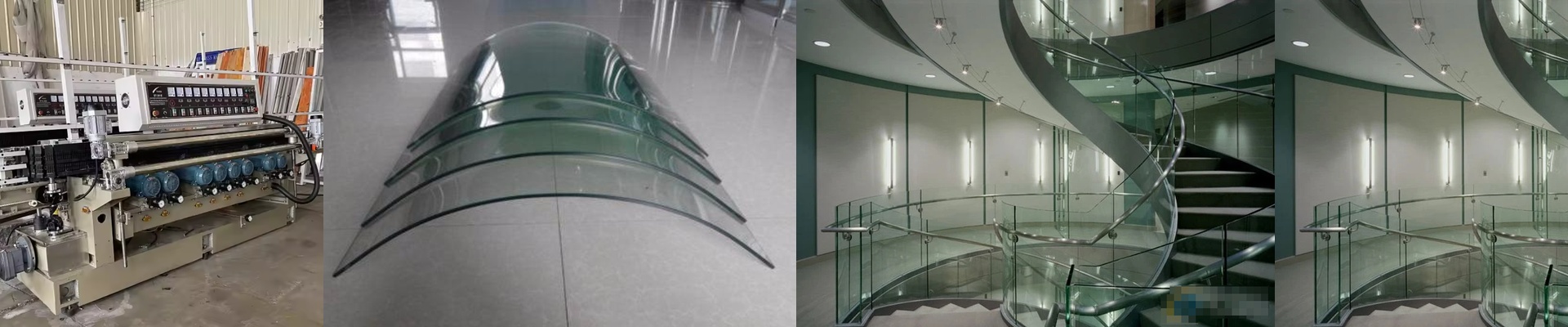
On the glass line, the screen print is only as good as the drying behind it. Uneven cure shows up as mottle, haze, and adhesion issues—scrap that hits after the printer, not before. We built our infrared screen printing dryer for glass to stop that waste at the source. What matters under the hood It runs short-wave infrared with quartz emitters that snap on fast and throw heat where you need it. That gives you a uniform thermal field across the glass, so the ink layer hits cure temperature without hot spots or gradients. Power comes up in seconds, so it keeps pace with indexing conveyors and short dwell windows. You get consistent cure without overheating the substrate—critical when you’re running coated glass, tempered parts, or pre-lamination prints where thermal stress can crack parts. Why it holds up in production The dryer tightens the drying window and stabilizes quality. Throughput climbs because the line isn’t waiting around for ink to set, and rejects drop because the heat profile repeats shift after shift. Energy use falls, too, since the emitter targets the ink directly instead of dumping heat into the air and the machine frame. For high-volume architectural or automotive printing, that means lower per-part cost and fewer headaches chasing inconsistent cure. Here’s what to keep in mind Infrared is line-of-sight, so part geometry matters. Thick prints or deep textures can need multiple zones or a dwell-time tweak to avoid skinning on top before the ink underneath cures. Installation is straightforward, but emitter alignment and reflector cleanliness directly drive uniformity—plan for quick-access panels and a routine check. Match voltage and footprint to your conveyor, and make sure your glass emissivity and ink solvent profile are compatible with the temperature curve you’re running.