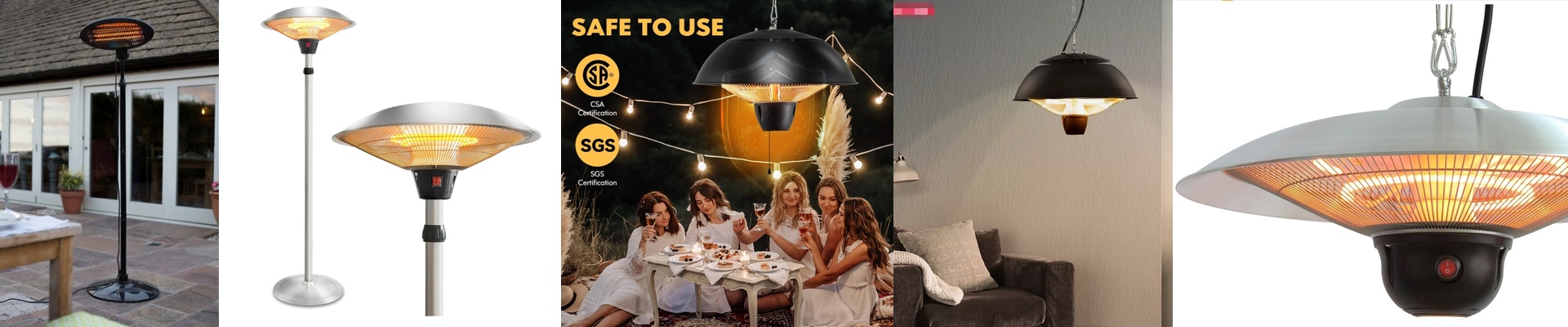
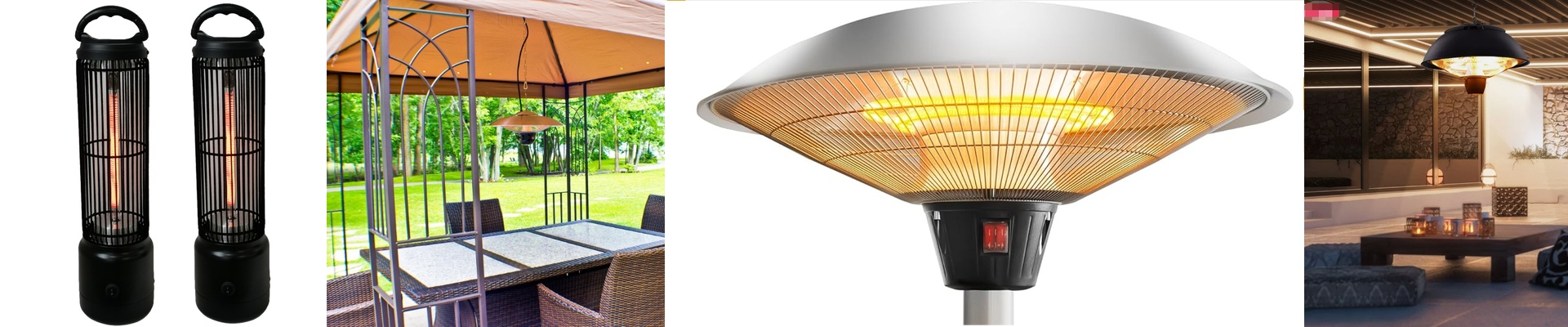
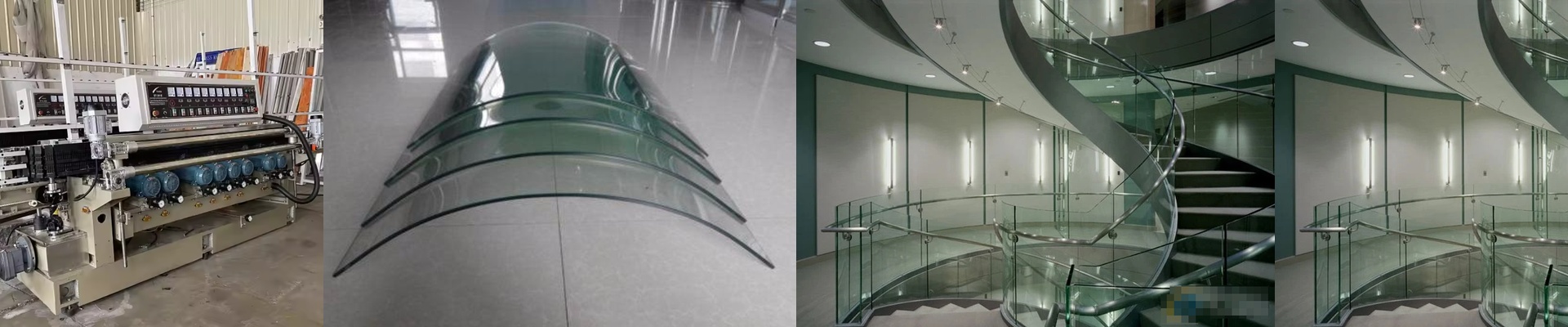
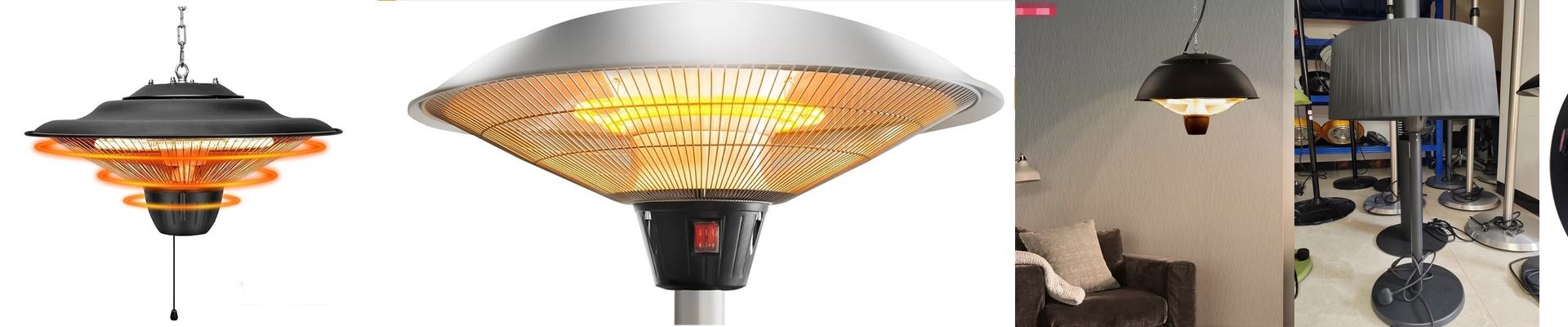
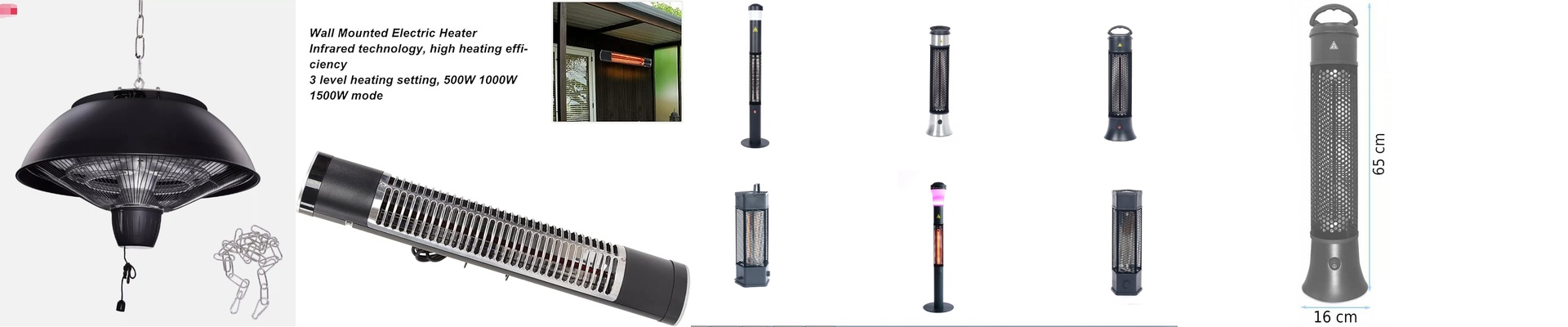
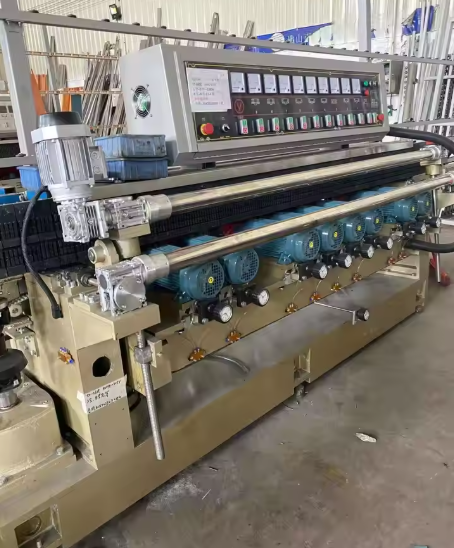
On the glass line, heat is never just heat. It’s control, pure and simple. A ramp that’s too slow, a hotspot, a setpoint that drifts—any of that can push tempered glass past its stress limit, leave a bending profile short, or stall lamination and coating cure. When the heating module can’t keep up, you pay for it in scrap, rework, and cycle targets you miss. What we’re building We make electric infrared heaters for glass work: quartz tubes and short-wave emitters that respond fast and repeat temperatures reliably. The design packs in high power density with controlled radiant output, so you get rapid heating without overdriving the zone. Output stays stable cycle after cycle, and the heater body is built for the heat and humidity around wash, preheat, and press. Control interfaces line up with common industrial drives, so the module drops into existing PID loops without reworking the machine logic. Why this matters in practice. In tempering, even heating across the surface keeps thermal stress fractures down and optical quality consistent. In bending, predictable heat input tightens up the sag profile and cuts trim loss. In lamination and coating drying, the quick, even temperature rise shortens dwell time, so you can bump line speed without sacrificing adhesion or curing depth. The payoff is fewer rejects, more consistent output, and lower energy per square meter because the heat goes straight to the glass, not into the air. Installation is straightforward, but it’s not one-size-fits-all. Mounting geometry, clearances, and terminal layout have to line up. We supply drop-in replacement packages for many glass machine brands, with adapter brackets and wiring options that let you swap in without cutting or redesigning. One practical constraint: infrared needs line-of-sight to the glass and clean reflectors. Keep the heater face clear of dust and overspray, or you’ll bleed effective power. Plan for routine inspection and easy access, and the module will run with minimal downtime.