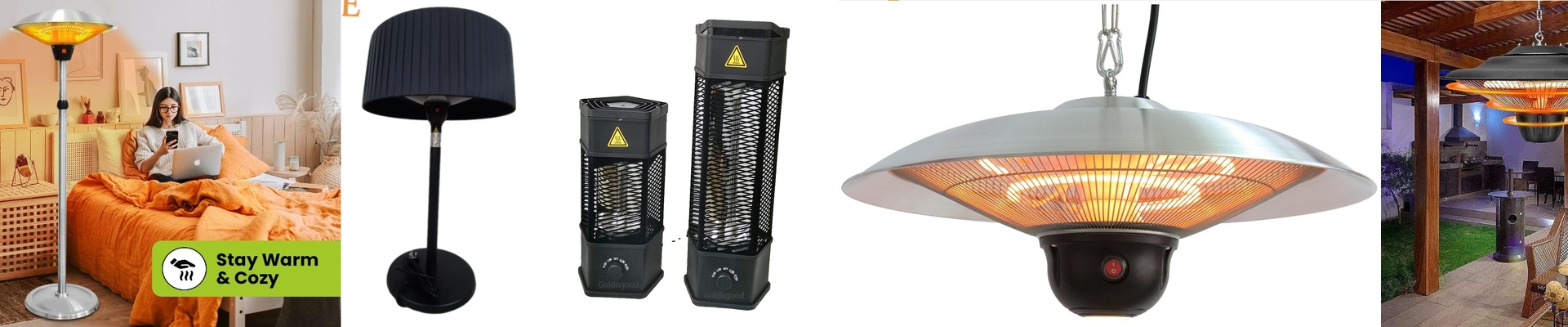
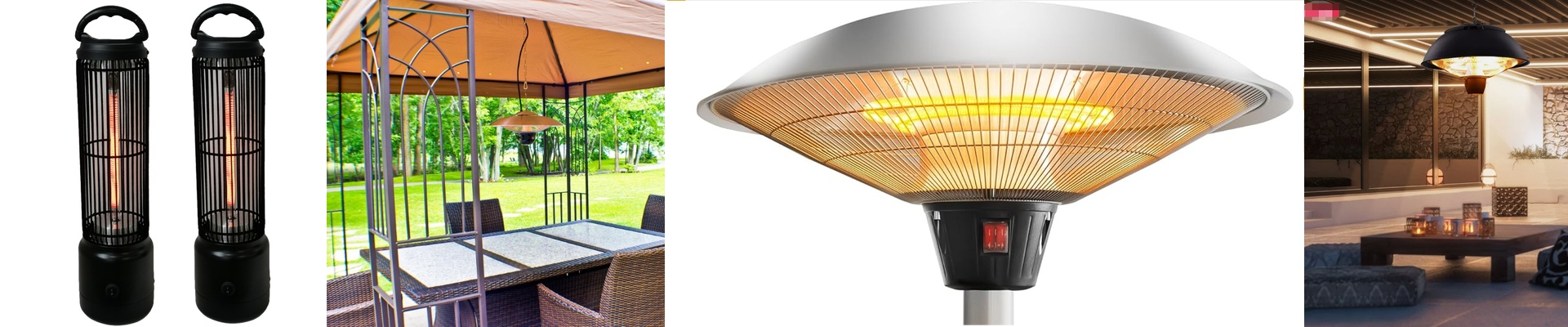
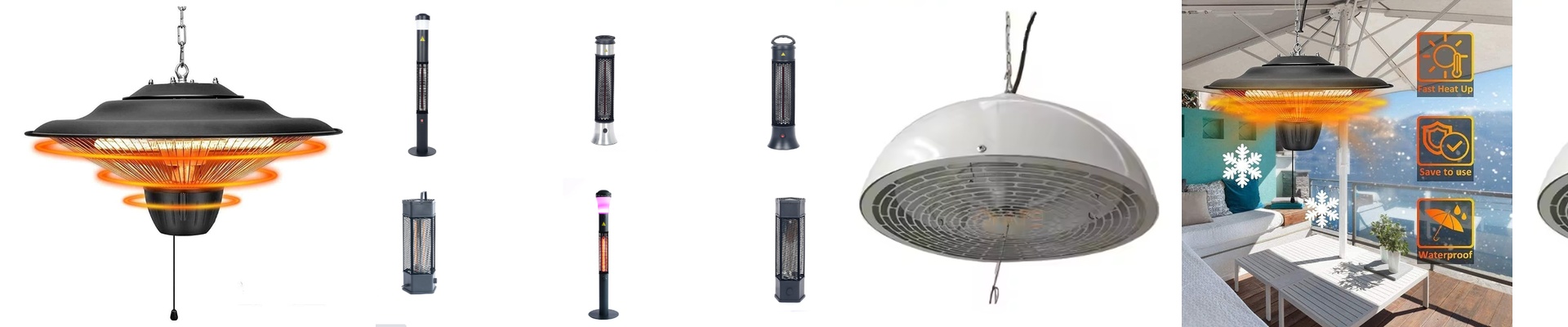
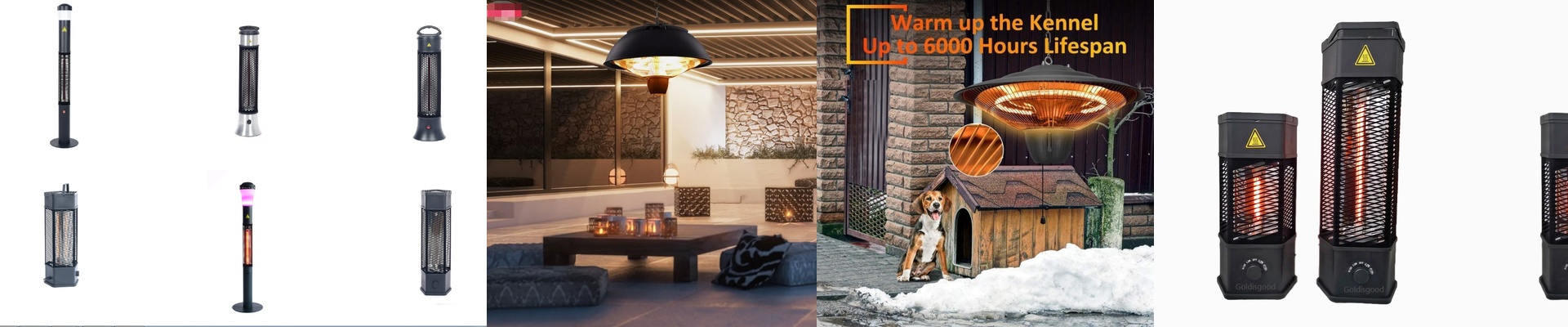
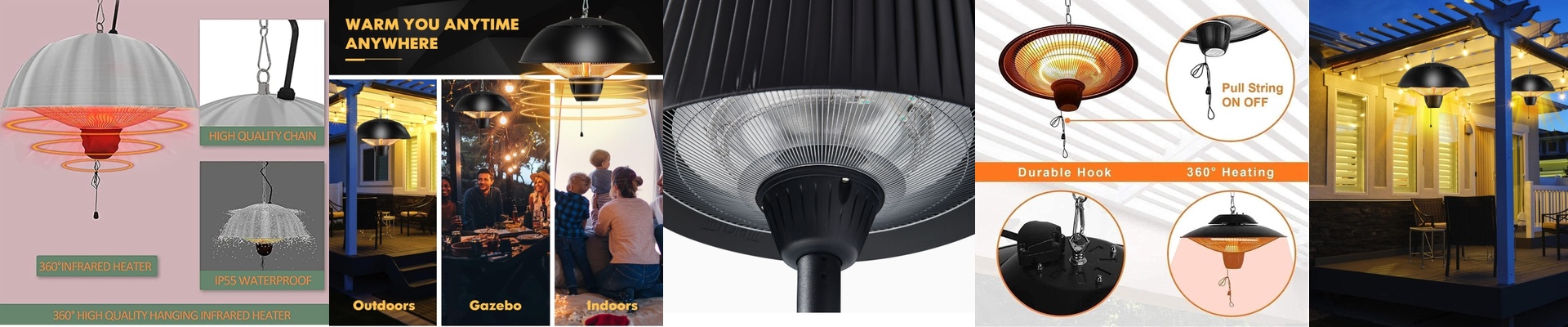
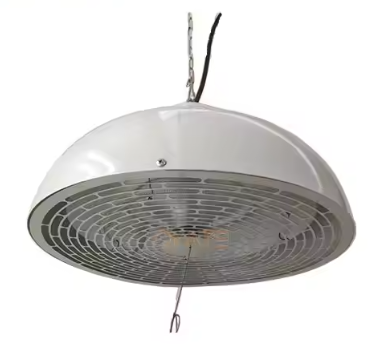
Picture this: you’re out in the gazebo, the evening air is cool, but you don’t want to be stuck inside. You just want that warm, cozy feeling right where you’re sitting. That’s exactly what these gazebo heaters are built for. They’re direct-radiant halogen infrared units, which basically means they don’t waste time trying to heat the whole big space. They send the warmth straight to where you need it most—right on you and the surfaces around you. It’s focused, it’s immediate, and it’s perfect for those open-sided structures.
A quick peek under the hood
These things are serious. They’re typically wired for 230V or 400V and pack a punch with about 2000W to 2500W of power. And the tube is only 300mm long, which is great because it means you can squeeze the heater into a snug spot without losing any of that output. Running on that higher voltage also makes life easier—it keeps the wiring simple and stops the power from fading out, even over a longer cable run.
The guts of the design
The heart of it is a quartz tube, filled with halogen gas. This is what keeps the filament stable, even when it’s cranked up to high temperatures, and it helps prevent that annoying blackening you see in other bulbs over time. Then there’s the gold coating on the tube. It’s not just for looks—it reflects the infrared heat back toward what you’re trying to warm. So you get more usable heat and less wasted light. And the R7s connector? It’s a simple, two-pin ceramic base that locks in tight, can handle the heat, and makes swapping out the lamp a breeze. It’s a true drop-in replacement for any standard mount.
What it feels like to use one
When you’re in the gazebo, you want heat, not a spotlight. These halogen infrared lamps give you exactly that—a powerful, directional blast of heat with a narrow beam. There’s no waiting around. They fire up instantly, with zero warm-up time, and they’re tough enough to take whatever the weather throws at them. Now, a heads-up: this is some intense heat. So you just need to be mindful of the clearances and make sure whatever you mount it to can handle that thermal load. But once you get that sorted, you’re golden.