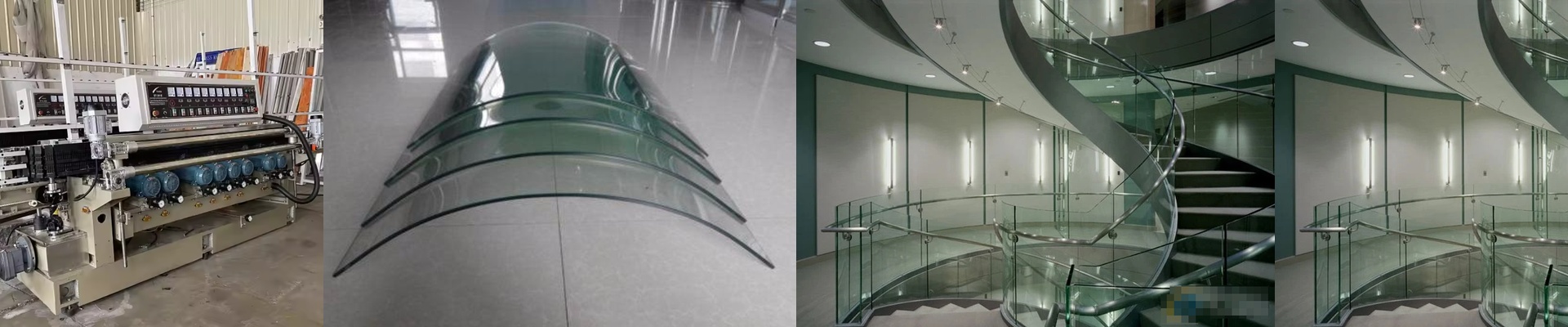
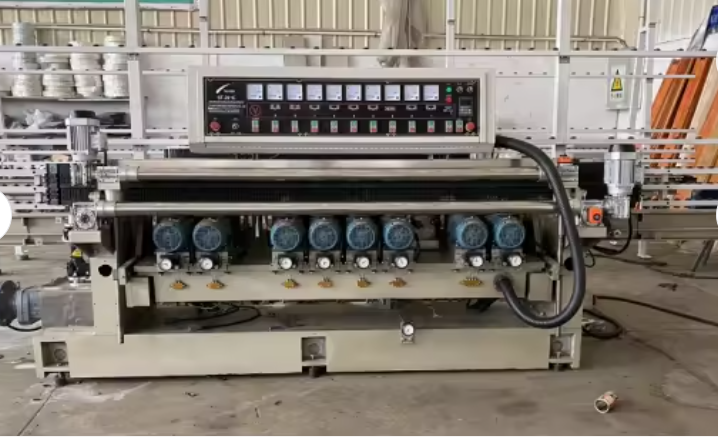
On the lamination line, the oven doors shut and the timer starts. You know what happens if the adhesive doesn’t hit the right thermal profile: bubbles, haze, weak edges, and glass that fails impact. And if the heating is slow or uneven, you lose cycles, scrap loads, and starve the line of throughput. Laminated glass curing isn’t just about getting hot. It’s about putting repeatable heat into the PVB, EVA, or SGP layer—fast enough to keep the line moving, uniform enough to avoid thermal stress, and stable enough to hold thickness and optical clarity.
What actually matters
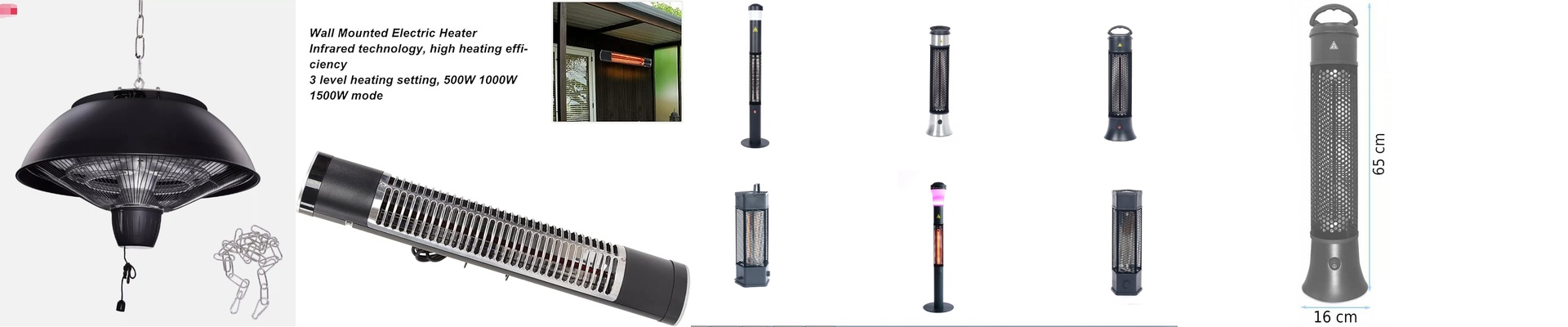
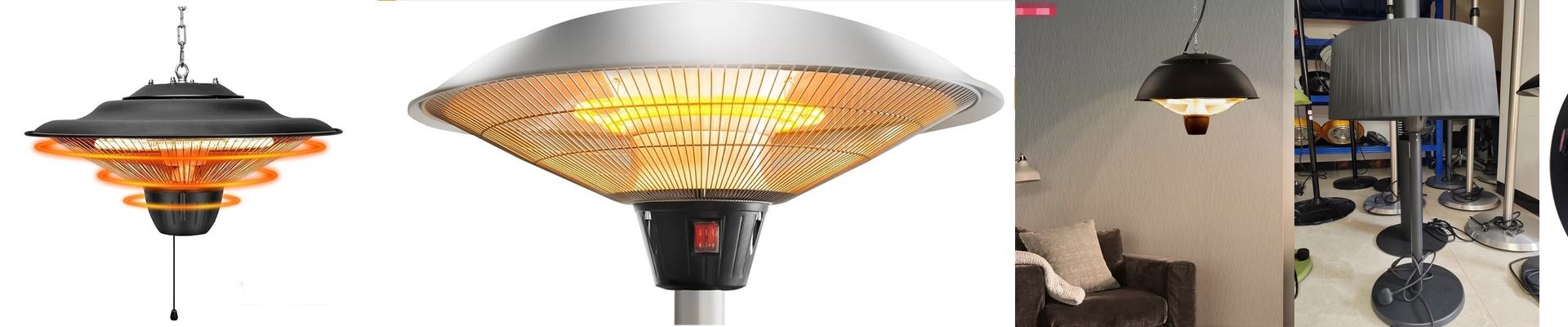
We design curing around the realities of the shop floor, where the heating method has to work with the material, not fight it. **Heating method: short-wave IR with quartz elements.**Short-wave IR penetrates the interlayer quickly and heats from within, instead of relying on slow conduction from the glass surface. That cuts the time to reach flow and cross-link temperatures and lowers the risk of overheating the outer skins. Quartz elements pack high power density into a tight footprint—exactly what you need when oven space is limited and cycle times run in minutes. **Uniform heat, tight control.**Uneven temperature shows up as uneven bond strength and edge defects. We engineer the modules to deliver a more uniform thermal field across the glass, with tight control over setpoint and ramp. The payoff is fewer rejects from inconsistent adhesion and repeatable results from load to load. **Power matched to the line.**Industrial lamination lines need electrical integration that fits. We offer units in standard voltage configurations and power levels sized to the oven footprint and line speed, so you get enough heat flux to meet the cycle without creating hot spots. **Fast response, steady output.**Adhesive chemistry is sensitive to dwell time and temperature stability. Short-wave IR responds quickly when the conveyor stops and holds temperature more steadily during dwell, which helps keep the cure window consistent. **Drop-in fit.**We match existing mounting patterns and termination options so the heating module swaps in without redesigning the machine.
Why this plays in a real lamination shop
You run mixed work—windshields, architectural glass, security glazing—each with different thicknesses and interlayers. The heating system has to keep pace without forcing you to slow down or overcompensate. **More cycles without trading quality.**Short-wave IR gets the adhesive into the cure window faster. In practice, that means more loads per shift at the same quality, or stable output with less margin for error. **Better bond uniformity, fewer optical headaches.**When heat is even, the interlayer flows consistently, entrapment is minimized, and distortion from uneven heating drops. That means less rework and less scrap. **Energy use that makes sense.**Industrial heating isn’t free. Short-wave IR targets the adhesive directly instead of heating large volumes of air, so energy use is more efficient. At high volume, those savings add up. **Works with your equipment, not against it.**You shouldn’t have to replace the lamination line to get better curing. Our approach is a replacement heating module that fits the existing oven and control expectations, so the change is operational, not capital-heavy.
The details that make the difference
A heating upgrade is straightforward, but it still needs planning. **Start with the oven geometry.**Clearances, airflow direction, mounting brackets, and termination style matter. If you share the oven model and the existing heating module footprint, we can spec a drop-in solution with the right dimensions and connections. **Don’t short the controls integration.**The new module has to match the line logic—thermocouple type, interlocks, and safety behavior. Plan a short commissioning window to verify the cure profile on actual product. **Expect a tuning trade-off.**Short-wave IR heats faster, and that means tighter control of dwell time and surface temperature. Operators need to confirm the cure window for each interlayer and thickness, then lock it in as a validated recipe. **Keep the optical path clean.**Quartz elements and reflectors perform best when free of dust and condensates. A scheduled cleaning routine prevents output drift and keeps uniformity where it should be. If your lamination line is battling inconsistent adhesion, long cure cycles, or energy costs that climb with volume, the heating method is the right place to fix it. We build curing solutions that fit your equipment, meet your targets, and keep the glass coming out flat, clear, and properly bonded.