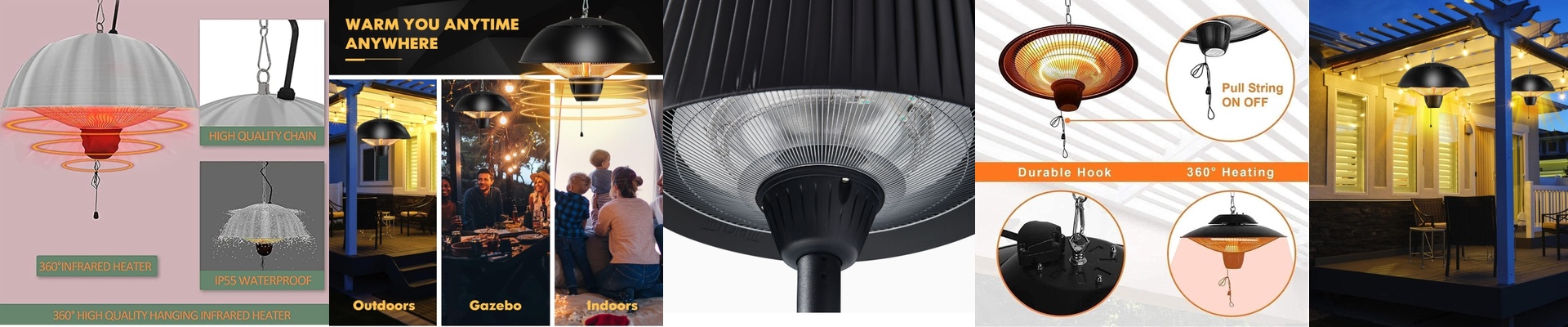
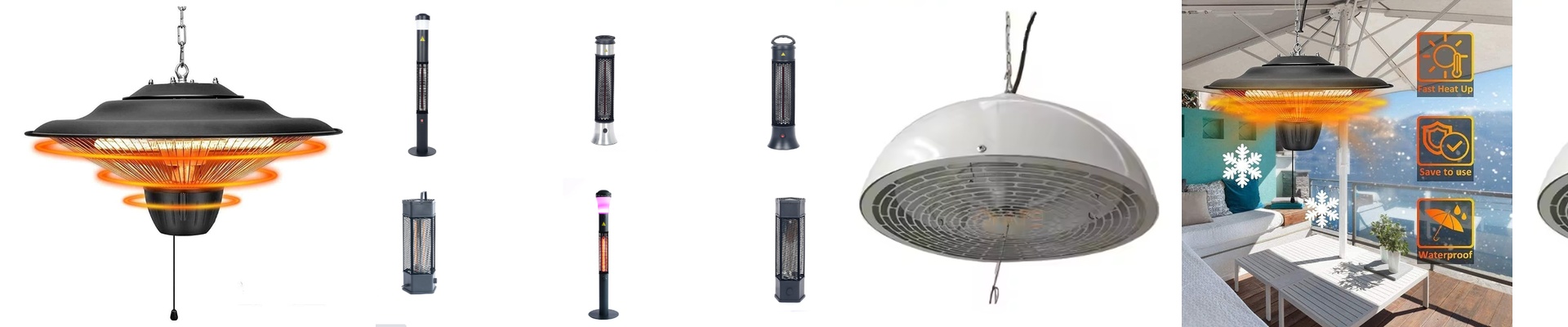
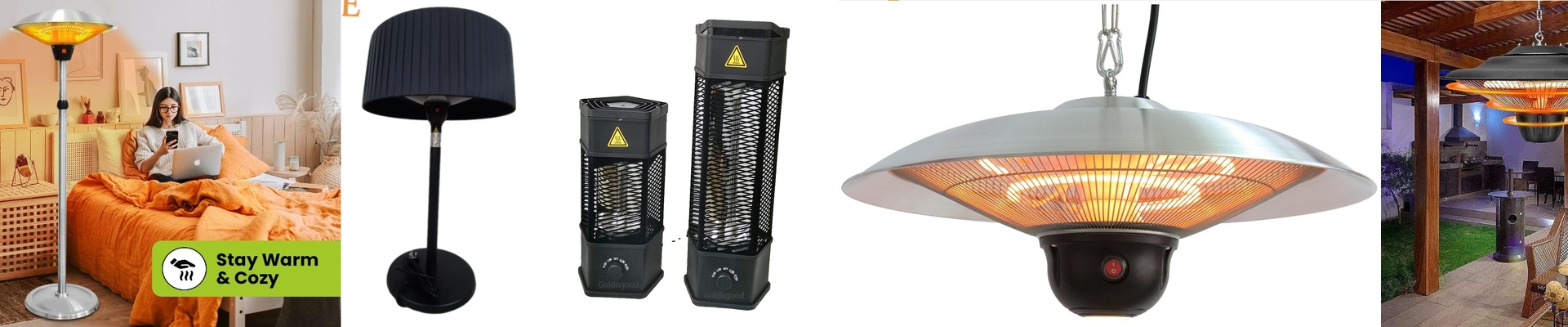
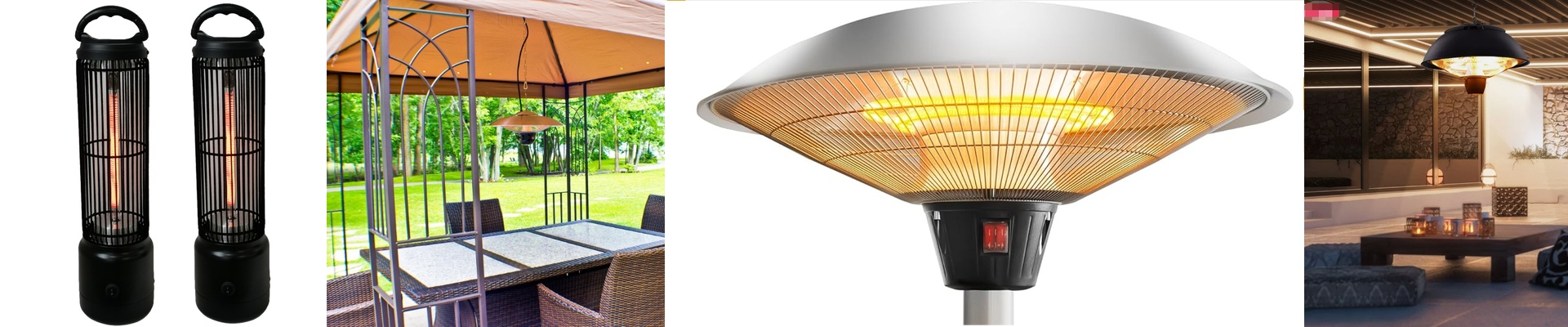
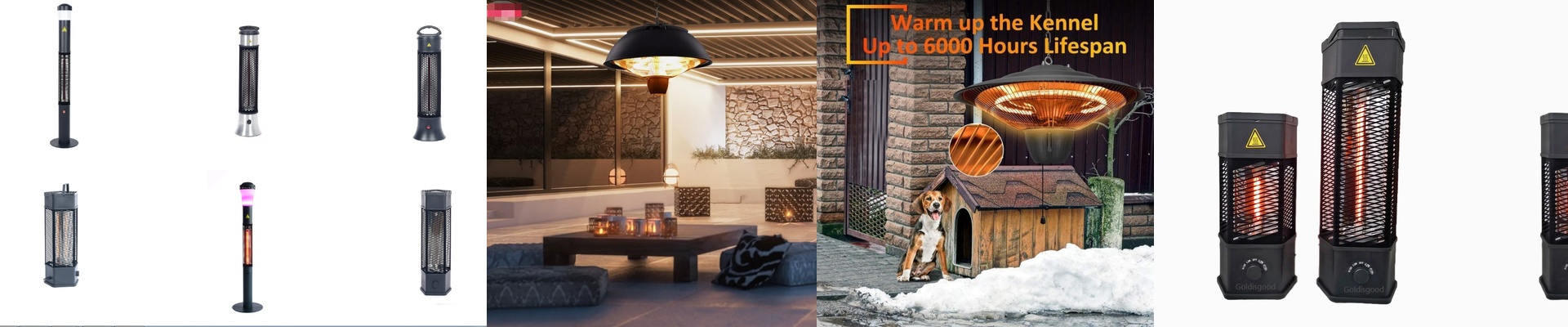
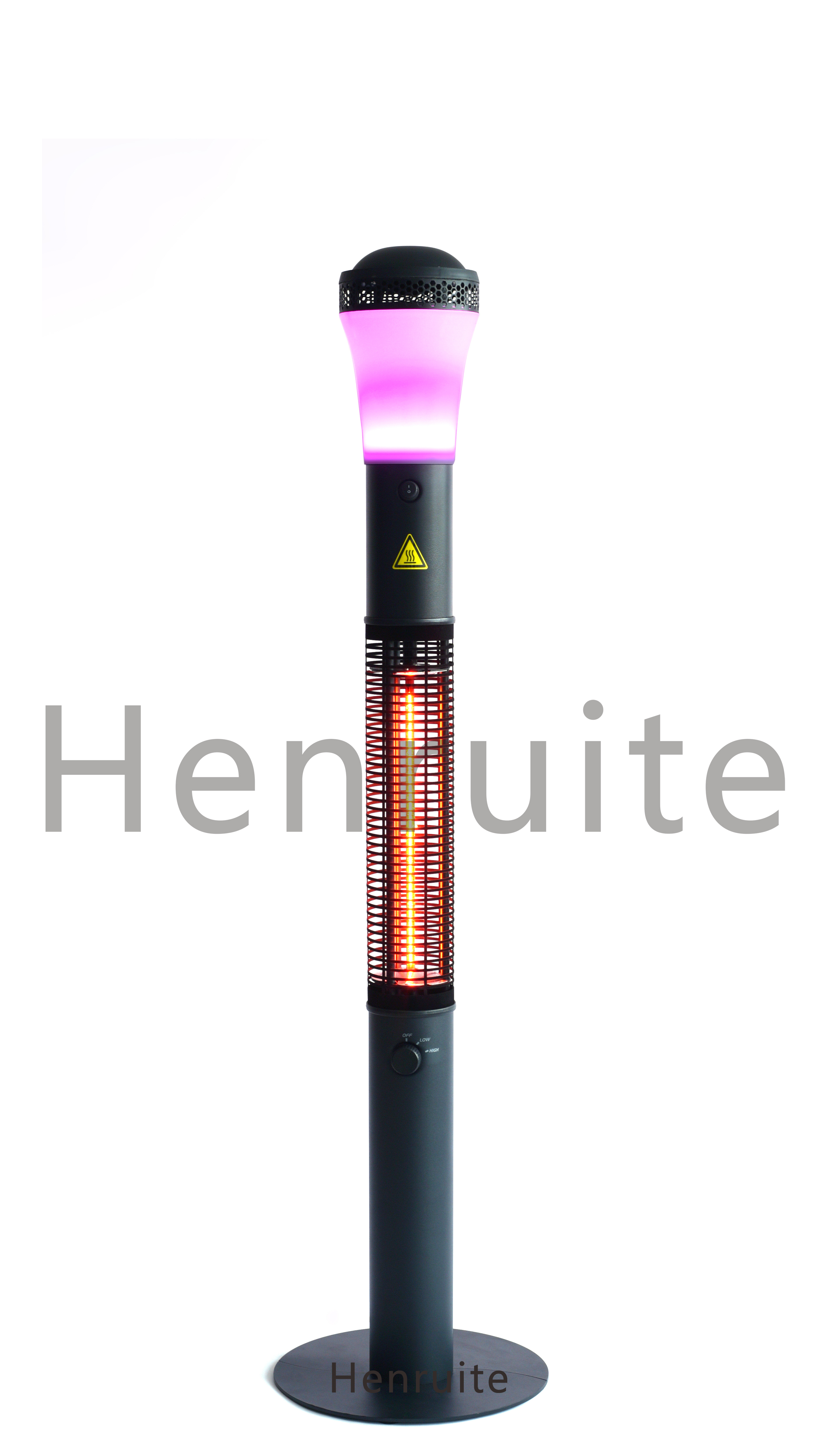
When the shop turns cold, it’s not just uncomfortable—it drags every task down. Hands get stiff, tools feel clumsy, and your focus goes sideways. Traditional forced-air heaters just stir up dusty drafts and leave hot and cold pockets. A workshop heater built around targeted infrared warmth? That changes the feel of the place. What matters, technically Infrared delivers radiant heat—the same kind of warmth you feel from the sun on a clear winter day. It comes down to wavelength. Short- and medium-wave infrared cuts through the air and heats people and objects directly, not the empty space in between. In a workshop, that means your hands, tools, and work surfaces warm up fast, even when the room air stays cooler. We lean on a carbon fiber or quartz element, tuned for steady output, and pair it with a thermostat so comfort stays consistent. When you’re shopping, look for an IP rating for dust and moisture resistance, plus tip-over protection and overheat shut-off. Those are the safety features that earn their keep. Why it works in a shop You feel the warmth in seconds, not minutes, so you can get to work sooner. Because infrared heats surfaces and people, you can run the heater with the air temperature set lower and still feel cozy—often keeping energy use in check. There’s no fan to blow fine dust around, so the air stays cleaner. Muscles loosen, circulation improves, and the space feels calmer. The result is a workshop that supports both productivity and comfort—warmth that feels healthy, not harsh. What you need to know Infrared warmth is line-of-sight, so aim the heater to cover the main work zone. Clearances matter, especially near combustibles, and you’ll need a dedicated outlet that matches the heater’s power draw. In very humid conditions, some units need extra protection; check the IP rating and keep the heater dry. Set the thermostat once, and you’re good—quiet, dependable heat that does its job and stays out of your way.