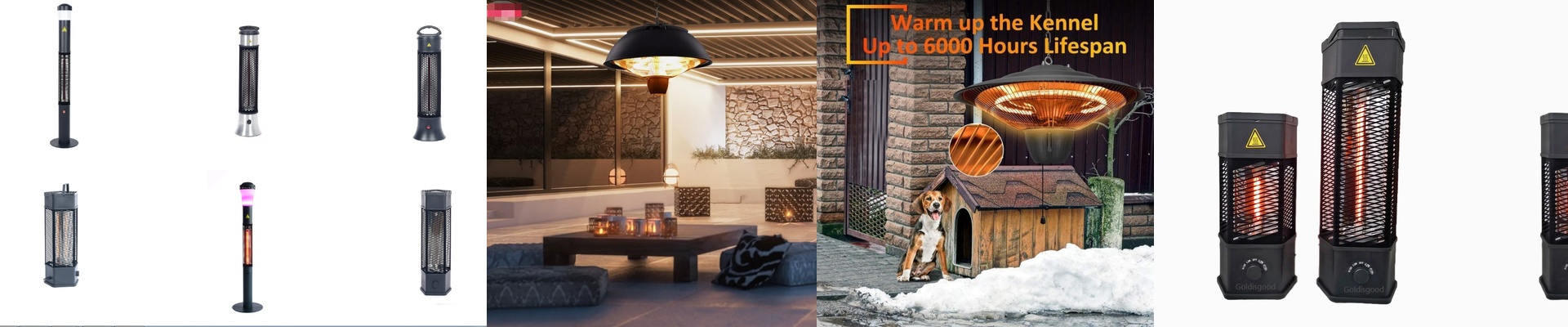
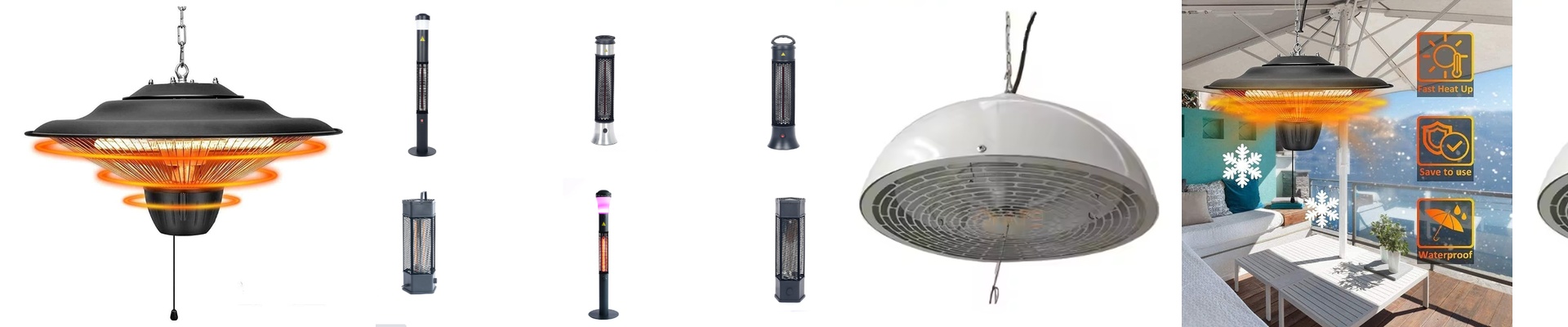
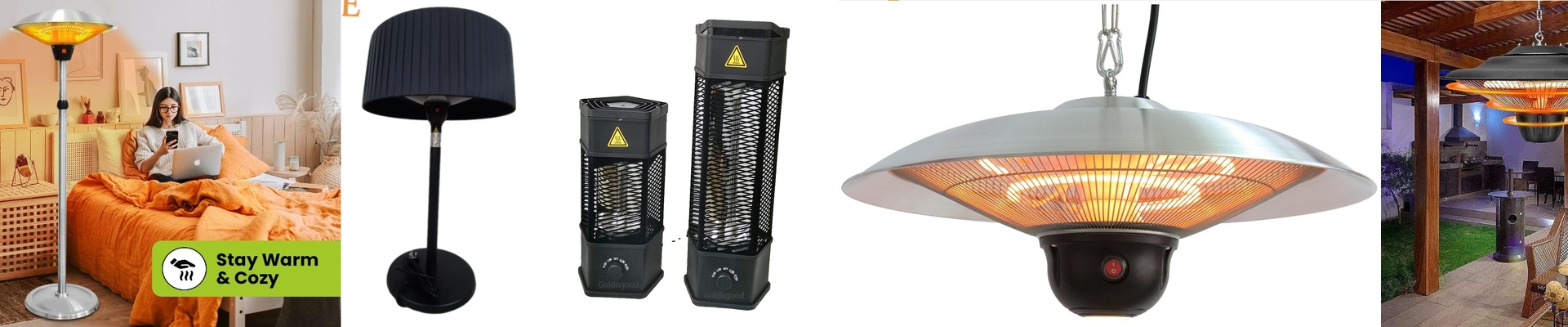
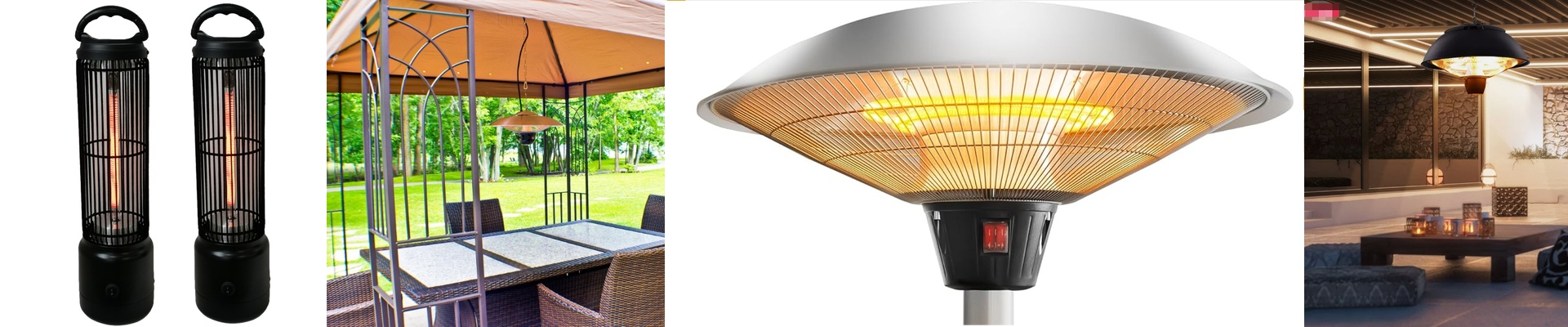
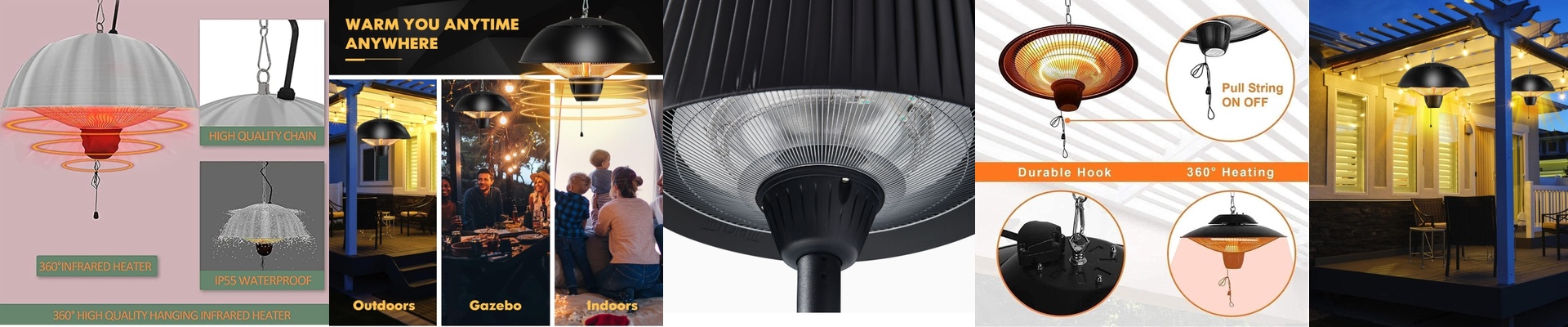
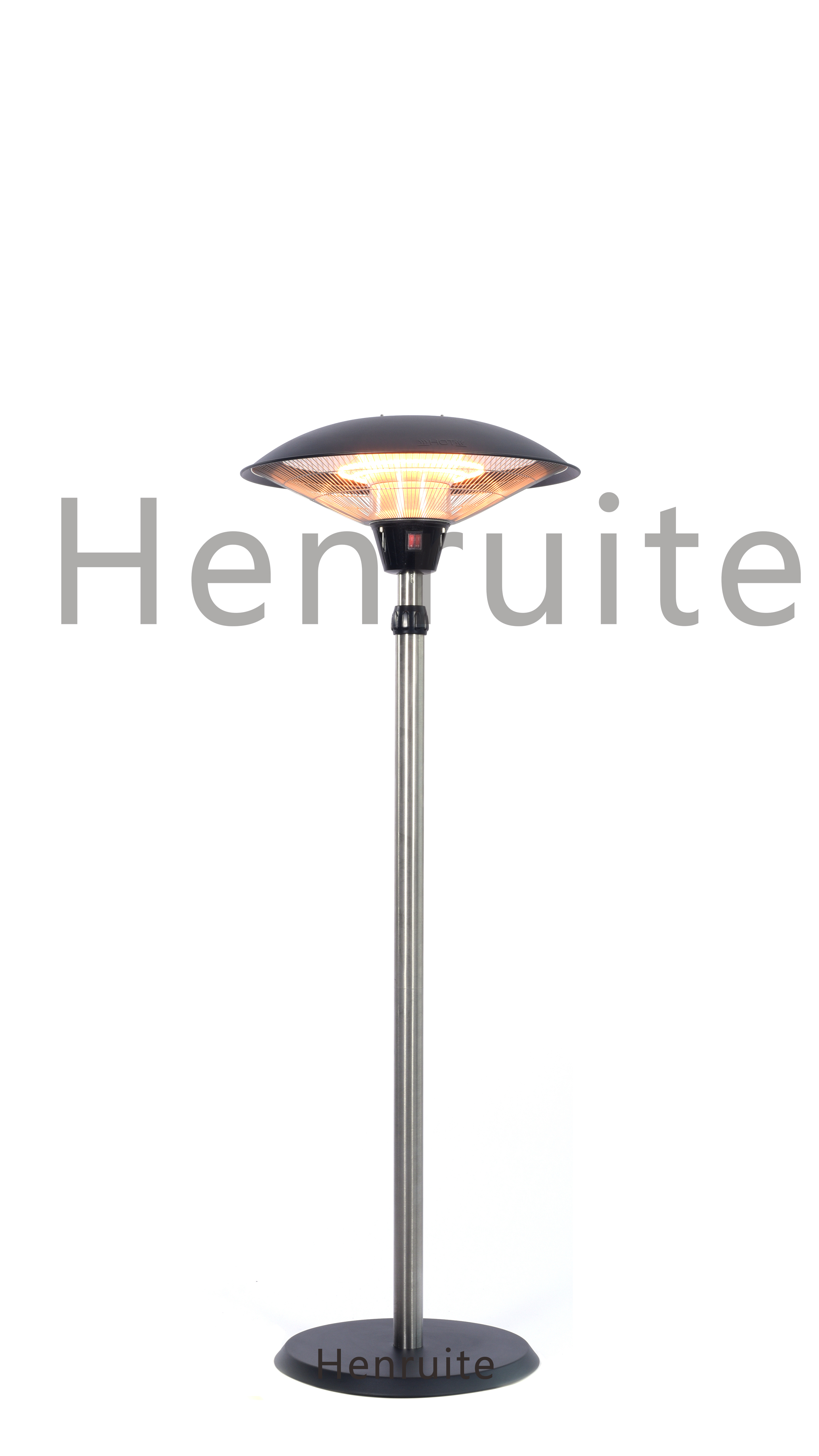
Step outside on a crisp evening and the air bites. Hit the switch on an infrared patio heater, and in seconds you feel warmth land on your skin—like a steady, dry sun. No waiting around. No hot blast that rises and disappears. Just immediate comfort, right where you need it.
What actually matters, technically
Infrared outdoor electric heaters work by radiating heat straight toward people and objects, the same way the sun warms the earth. Inside, a carbon fiber or quartz heating element comes up to temperature almost instantly and delivers short-wave or medium-wave infrared warmth. That’s why you feel heat in seconds, not minutes. Waterproofing isn’t a “nice-to-have.” It’s the backbone of outdoor reliability. Look for an IP rating that confirms protection against rain and splashing. An IP55-rated electric outdoor heater, for example, is built to handle water jets from any direction—so it can live on a covered patio or under the eaves without shorting out. Add a sealed body, a tip-over switch, and a thermostat, and you get consistent performance without babysitting the unit.
Why this works where you live
Outdoor living doesn’t have to end when the temperature drops—especially when heat arrives on demand. With infrared warmth, you get fast, directional heating that’s ideal for evening gatherings, quiet dinners, or a post-work stretch on the deck. Because it’s radiant heat, it warms you first, not the empty air overhead. The upshot is a more comfortable, draft-free zone—even when a breeze rolls through. Energy use stays sensible, too. Infrared heats the people and surfaces in its path, so you’re not trying to warm the entire yard. Pair that with a built-in thermostat, and you can set a steady comfort level instead of chasing the ups and downs.
The details that make the difference
Infrared heat performs best when the heater is mounted at the right height and angle—typically overhead or slightly elevated to cover the seating area. Keep the surrounding area clear and position the unit away from flammable materials. Even with a solid waterproof rating, heavy rain hitting the unit day after day will test any outdoor electric heater over time. For maximum lifespan, install in a sheltered spot or use an outdoor-rated cover when storms roll in. And don’t skimp at the plug: connections need to be weatherproof and grounded.Safety and reliability start at the outlet.