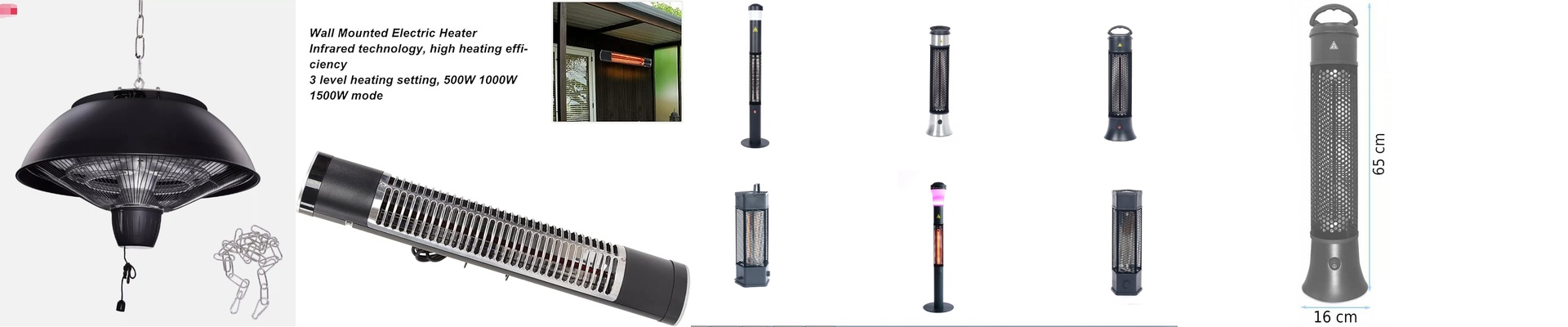
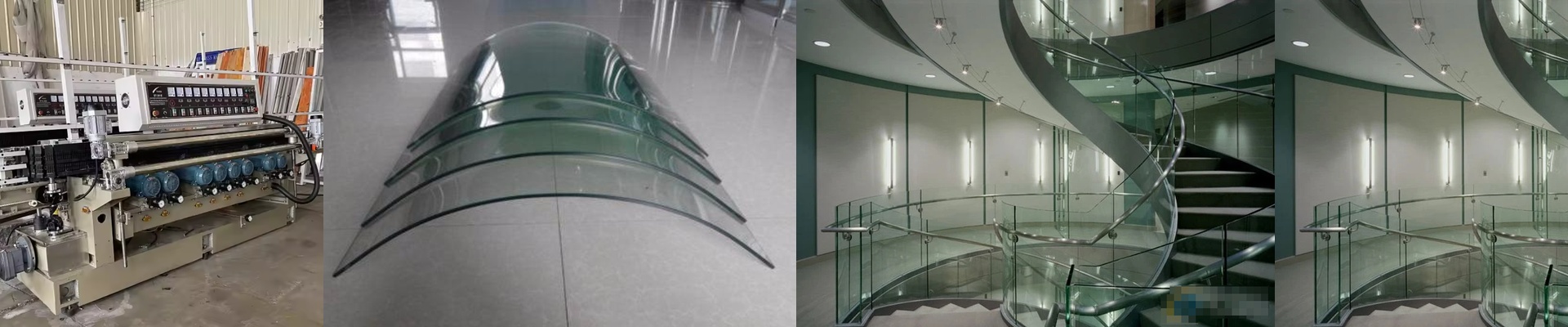
On the line, heat isn’t comfort—it’s control. A furnace zone that drifts a couple of degrees can push a sheet past its thermal limit, and you’ll watch tempered glass go through the quench with stress you can’t see until it’s too late. A lamination stack that climbs too slowly stalls the press, and the adhesive chemistry just drifts off target. In a glass shop, the heating panel isn’t a heater. It’s the repeatable thermal actuator that keeps the process inside the window where yield lives. We built this heating panel for the way production actually runs: fast ramps, stable holds, and predictable uniformity, shift after shift. It sits in the hot zones of tempering furnaces, drives bending ovens, matches the temperature profile of EVA/SGP/PVB lamination presses, and supports coating drying without chasing the curve.
What matters under the hood
We chose short-wave infrared (SWIR) because it couples straight into glass and coated surfaces, with minimal heating of the air. You get direct energy transfer, not convection noise. That matters when you need the sheet to move, not the room. The emitter package uses quartz-halogen lamps in a rugged ceramic-based mounting frame, behind a protective quartz tube. Response is fast—seconds, not minutes—so the panel tracks setpoints during line starts, stops, and grade changes. Emitter geometry is tuned to flatten the temperature profile across the glass width, creating a defined radiant field.
- Power and voltage: Industrial voltage options cover 380–480 V three-phase, 50/60 Hz. Power density is matched to the process, typically 30–60 kW/m², depending on whether the role is preheat, main heating, or hold.
- Control: Closed-loop control uses thermocouple feedback from the panel face and from the work zone. Zones are independently regulated so you can correct edge-to-center deviations without slowing the line.
- Uniformity: The panel face is engineered for a tight thermal spread, often held within ±5°C across the active area. That tight band reduces thermal stress and keeps optical quality consistent.
- Mechanical interface: Standard mounting centers and repeatable locating features let the panel drop into existing frames. We supply compatible connectors, terminal housings, and shielding to match plant wiring practices.
- Thermal safety: Integrated over-temperature protection and a thermal barrier design reduce risk if airflow is lost or a control fault occurs. The outer frame stays within safe touch limits during operation, even at high power. This isn’t a general-purpose heater. It’s a process instrument that happens to produce heat.
Why it earns its keep on real lines
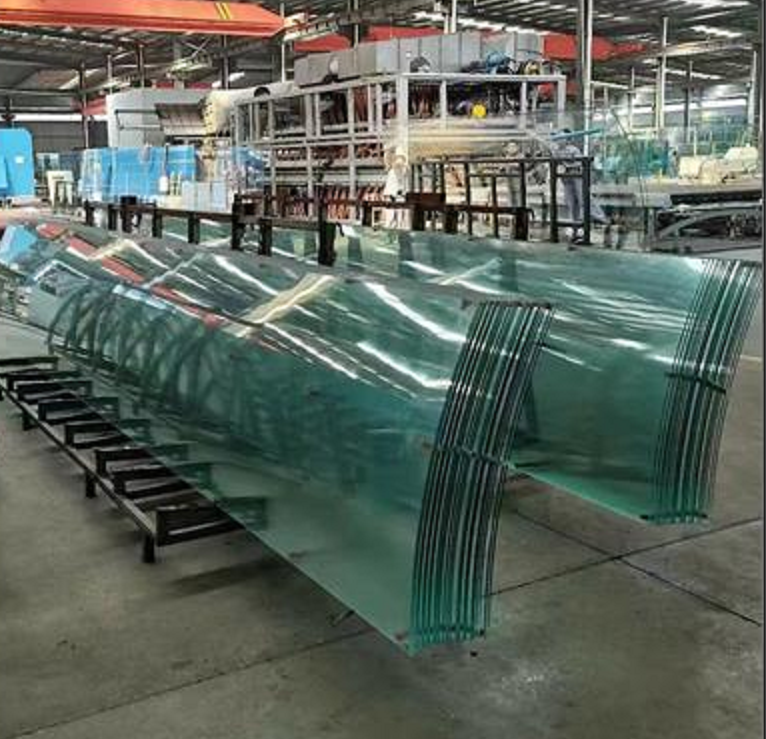
In tempering, the panel sits where the glass has to reach a uniform soak before the quench. Uneven heat means the center and edges try to expand at different rates. You get bow, optical distortion, and breakage during quench. The panel’s radiant field stabilizes the soak profile, so the glass enters the quench with predictable temperature distribution. That means fewer rejects and steadier press-bend response when you run low-iron or coated glasses. On bending lines, you need rapid, controlled heat so the glass flows without overshoot. Bending lives in a narrow thermal window: too cool and the glass fights the mold; too hot and you drive optical defects and thinning. With SWIR, the panel heats the glass surface quickly and evenly, and the control loop holds the profile as line speed changes. In lamination, temperature uniformity is the difference between a bond you can trust and a delamination waiting to happen. EVA, SGP, and PVB each have specific temperature windows where the adhesive flows, consolidates, and cures without degradation. The panel brings the stack up fast, holds the setpoint across the entire press platens, and cuts the time the adhesive spends in the transition zone where bubbles form. The payoff is consistent optical clarity and higher first-pass yield. For coating and drying, the panel targets the solvent or moisture without overheating the substrate. Coated products are sensitive to thermal shock; the panel’s fast response and tight control prevent blistering while still driving evaporation. You end up with a drier surface, faster line speed, and fewer reworks. Energy use is measured in kilowatts, but it’s paid for in downtime and scrap. Direct radiant coupling wastes less heat in air and structure, and the fast start-up shortens warm-up wait time at shift start. Plants running these panels typically see shorter heat-up windows and steadier energy draw during steady state, which makes demand charges easier to plan around.
What you need to know before you bolt it in
Installation is straightforward, but it isn’t trivial. The panel needs clearance for radiant transfer and for service access. Keep airflow and cooling paths clear—block them and operating temperatures climb, which shortens lamp life. Keep control wiring away from high-noise lines, too. Thermocouple noise is real, and it shows up as control drift. Compatibility comes down to your machine interface. We provide mounting dimensions and connection options to match common OEM footprints, but we still need the exact envelope and control protocol from your line. Plan a short integration window to verify zones, tune the control loops, and document setpoints for each product grade. The panel is tough, but it isn’t invisible. SWIR radiant systems work best when the target emissivity is consistent. Coated glasses, mirrors, and reflective surfaces can shift the heat balance. If you run a wide mix of materials, you may need to adjust power density or add shielding to keep uniformity where you want it. We run life testing under thermal cycling to validate lamp and ceramic assemblies. Expect 3,000–6,000 hours of stable output under normal glass-processing duty cycles, depending on operating temperature and how often you cycle on and off. Treat the lamps as scheduled maintenance, not as indefinite components. Keep spares on the shelf, and you keep the line running. If your shop measures success in tons shipped, first-pass yield, and uptime, treat the heating panel as a critical control point. Set it, verify it, and let it do the work that keeps glass flat, clear, and in spec.