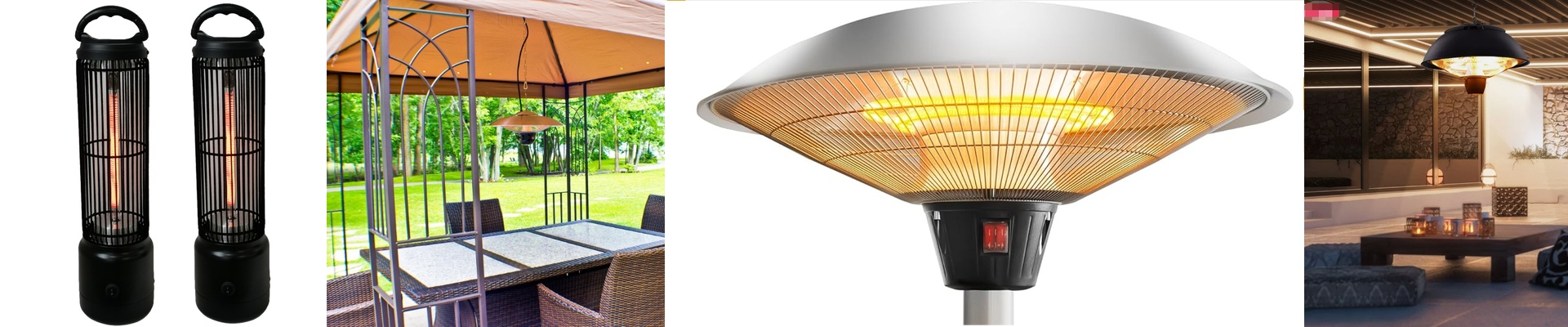
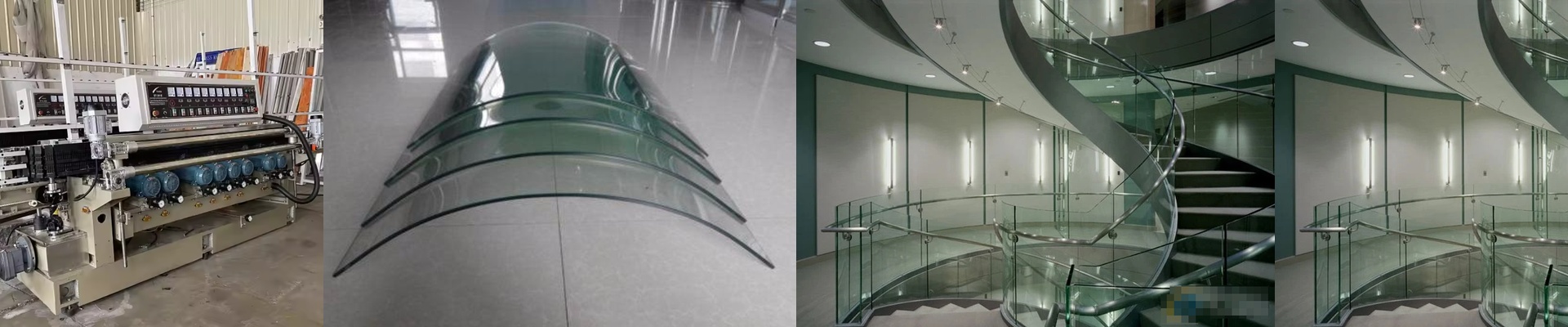
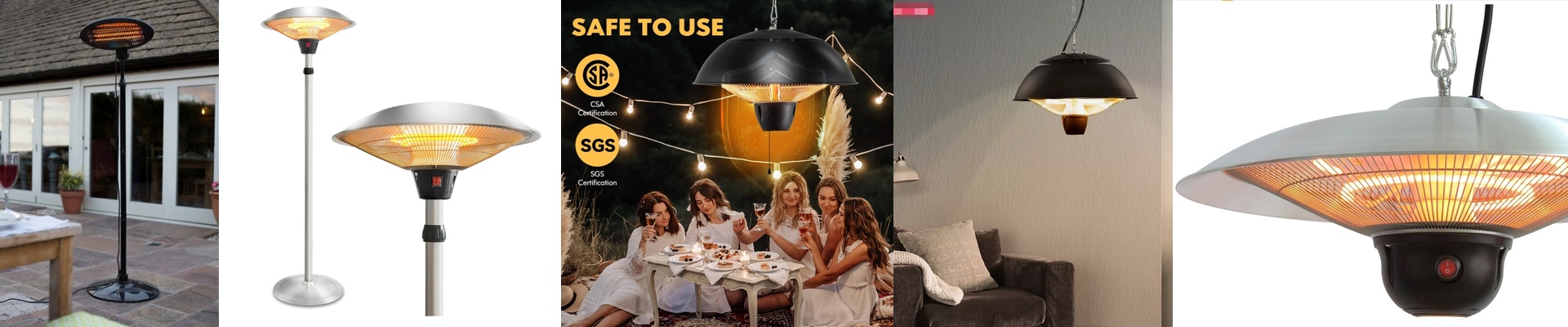
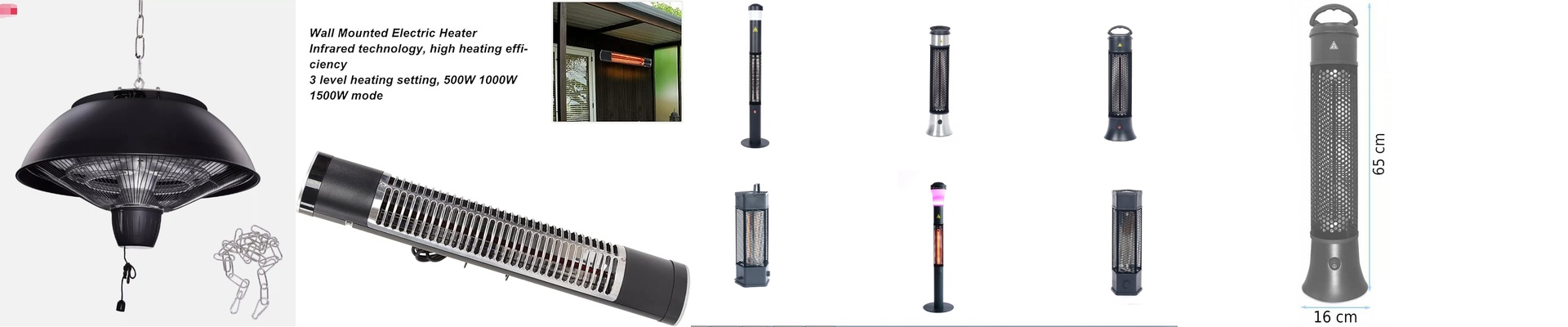
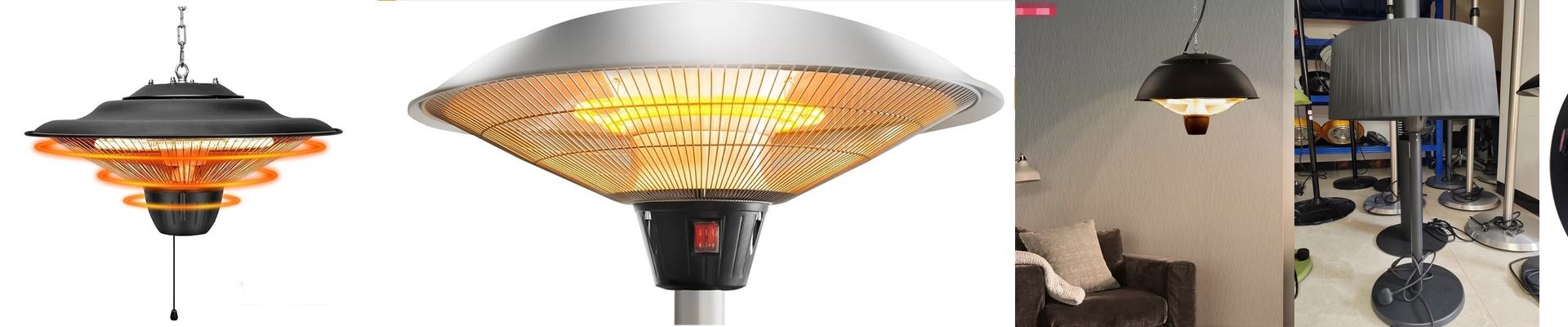
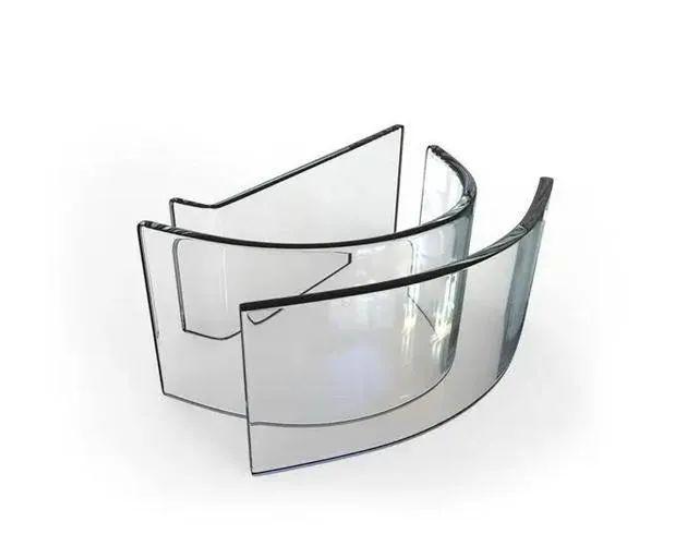
On the line, you need internal treatment heater bottles that hit the same temperature, cycle after cycle. When the heat profile drifts, you pay for it—thermal stress, uneven bending, and lamination defects that show up as rejects at final inspection. We built our near-infrared (NIR) internal treatment heaters to take that variability out of the equation, starting with the physics of the heat source itself.
What matters technically
NIR heaters lay down a uniform thermal field across the glass because the energy goes where it’s needed, not into heating the air. The quartz envelope gives you high transmission in the NIR band, and the filament geometry is engineered to deliver consistent radiant flux. Response is fast—full output in seconds—and control stays tight when conveyor speed changes. That matters on tempering and bending lines where the glass gets a very short thermal window. Stable emissivity and repeatable temperature translate to fewer edge waves and less optical distortion.
Why it works in real glass processing
In this business, you get judged on yield and uptime. Our internal treatment heater bottles give you predictable heating that keeps annealing, bending, and coating drying profiles consistent. The uniform heat field cuts down local hot spots that drive thermal stress fractures, and the quick response keeps cycle time stable—no waiting around for the heater to “catch up.” Energy use drops because the heater delivers heat on demand, and the directed radiation minimizes losses to convection. For EVA/SGP/PVB lamination, that means fewer bubbles and voids. For insulating glass sealing, it helps you hold a repeatable edge seal temperature window.
The practical details you can’t skip
NIR heaters are line-of-sight and spacing dependent. Keep mounting distance inside the specified window, and keep reflectors clean and properly aligned—otherwise the profile will drift. Check electrical compatibility at the terminal block, and make sure the control strategy matches the heater’s response time. PID tuning that’s too slow will erase the speed advantage. You’ll get shorter warm-up and fewer temperature overshoots, but plan the installation to match the machine geometry.