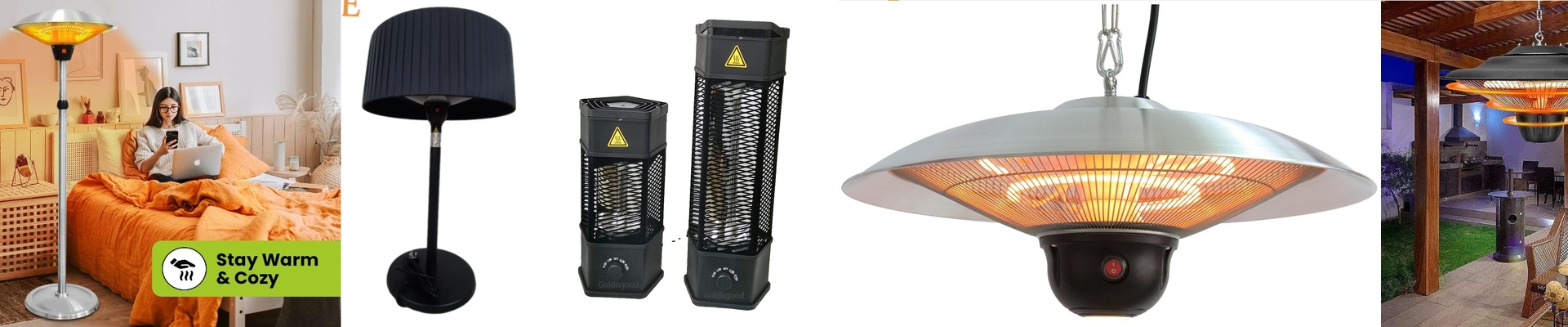
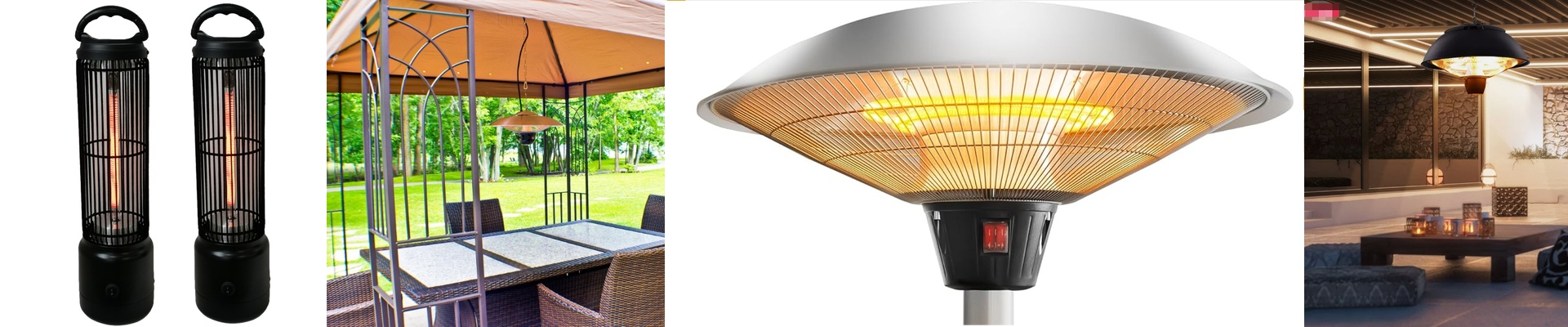
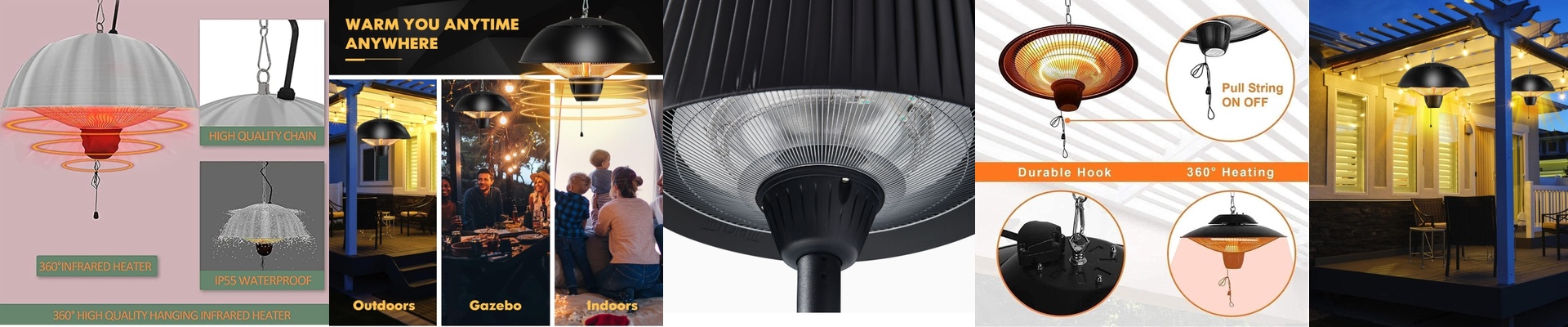
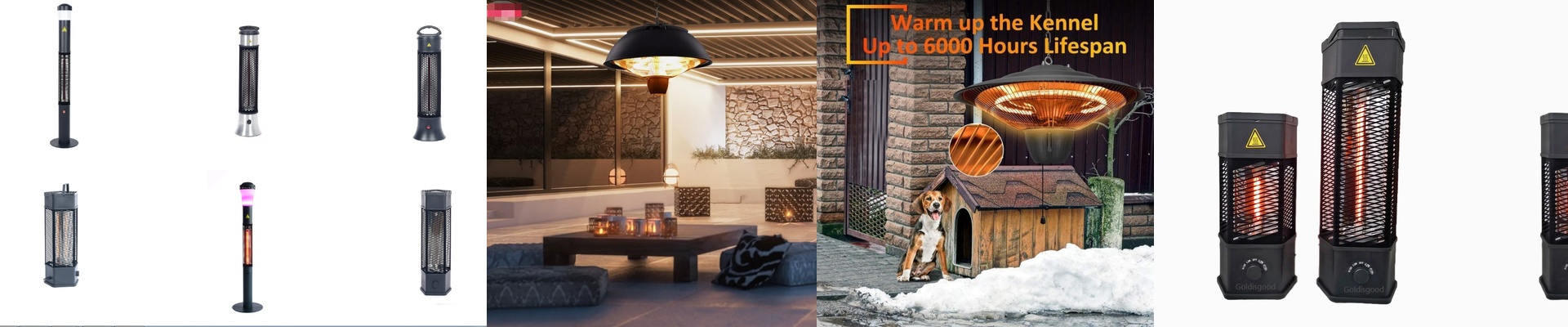
In an open-air restaurant, winter doesn’t just drop the temperature—it drops customer confidence. Tables go empty, servers stand around, and the dinner rush fizzles before it even gets going. Closing the patio isn’t the answer, and neither are those loud forced-air units that just churn air around.The practical fix is infrared warmth that targets people, not the empty space.
What matters, under the hood
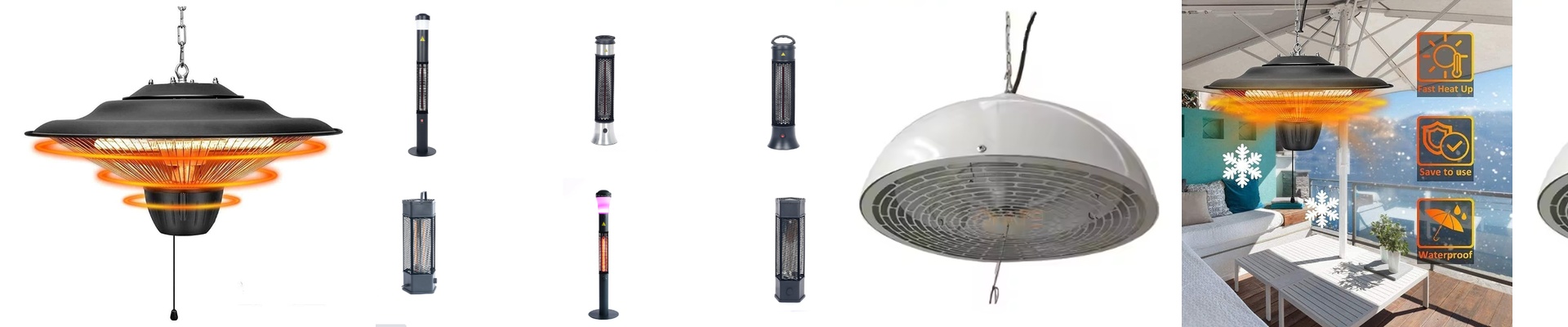
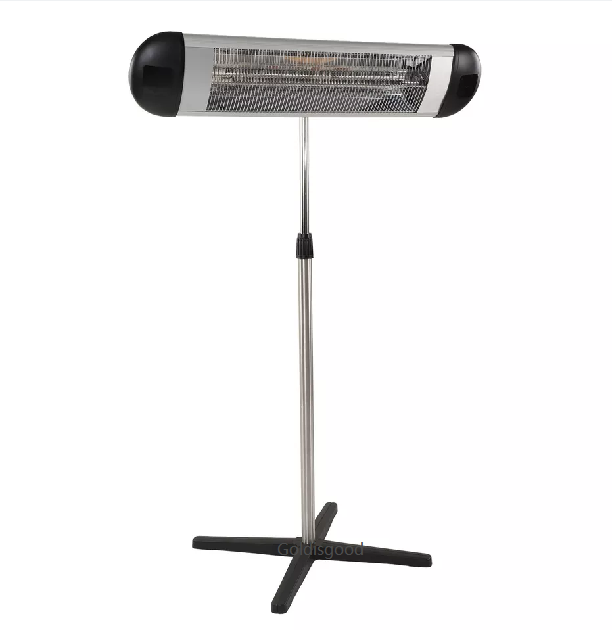
We built this heater around a carbon fiber element and a reflector that focuses radiant heat outward. You get warmth on contact, not a slow climb while the air warms up. In a 240V commercial setup, it holds steady output with low current draw, so you can run multiple heaters without tripping breakers. It’s engineered for outdoors: an IP rating for weather protection, plus tip-over protection and a thermal cut-off for safety. A built-in thermostat lets you set comfort and keep energy use in line. And the slim profile mounts clean overhead, so floor space stays open for foot traffic and seating.
Why this approach works in real service
Outdoor dining works when guests feel comfortable—not when a thermometer says it should. Infrared heat warms tables and people directly, so customers linger longer, order more, and come back. Because the warmth is localized, you heat the occupied zones instead of the whole volume, which helps keep operating costs in check. Staff feel it too: fewer complaints, fewer seat changes, and faster turnover between seatings. In practice, that means more covers on a cold night and a patio that stays profitable when the temperature dips.
The field notes you’ll appreciate
Infrared does its best work when the path is clear. Angle the heater so the beam hits the tables, not the walls, and avoid mounting too low—otherwise you get hot spots. Remember, radiant heat warms surfaces and people, so drafts near entryways can still feel cool. Plan the layout to shield seating from wind, and pair the heater with a comfort plan: lighting, wind screens, and a small secondary heat source at entry points. Installation needs proper mounting and a dedicated circuit, so confirm your electrical setup before the first cold night hits.