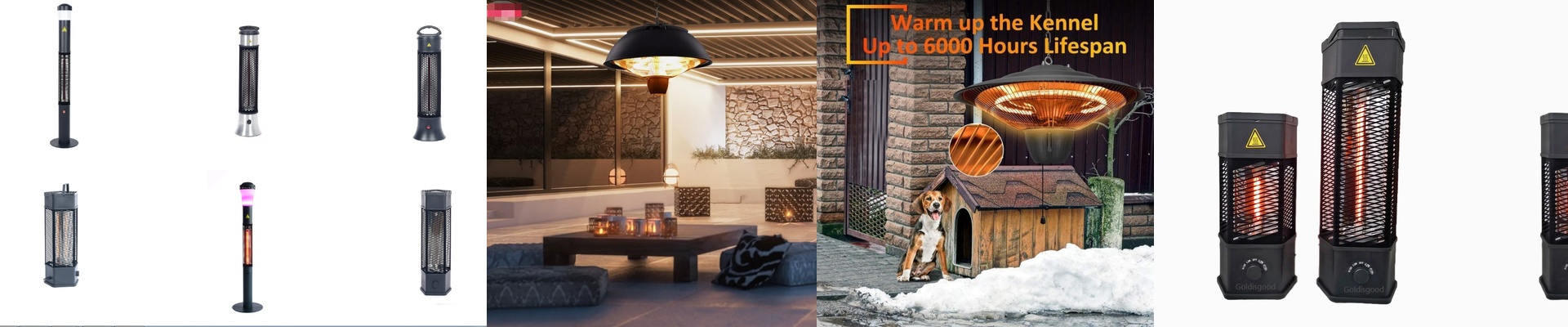
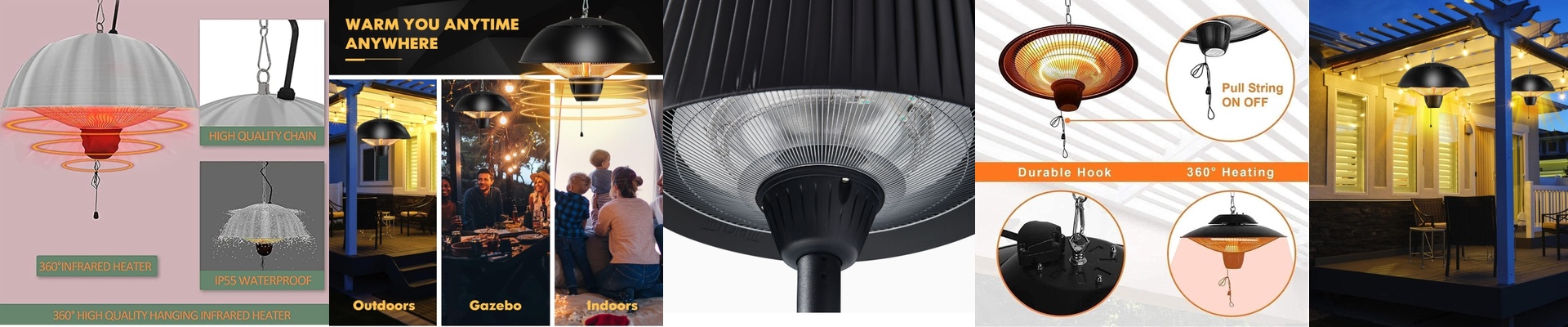
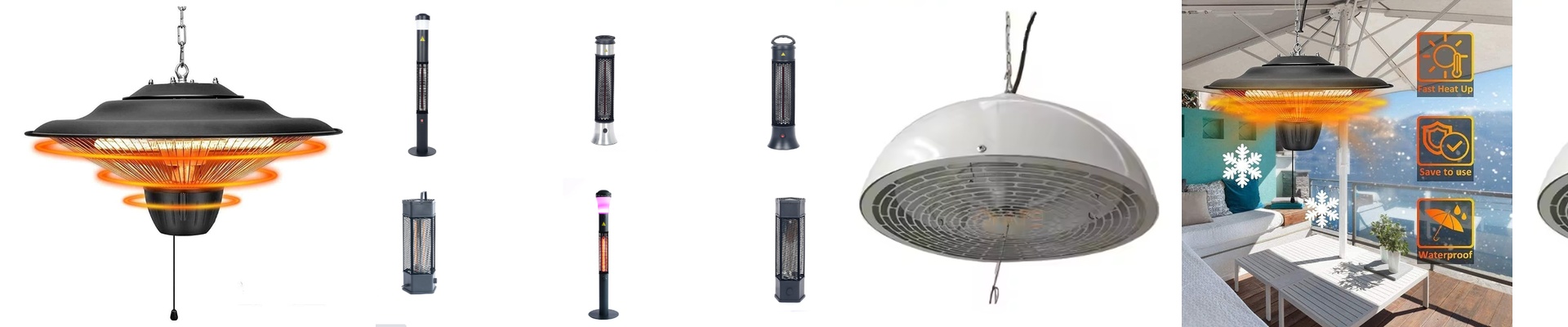
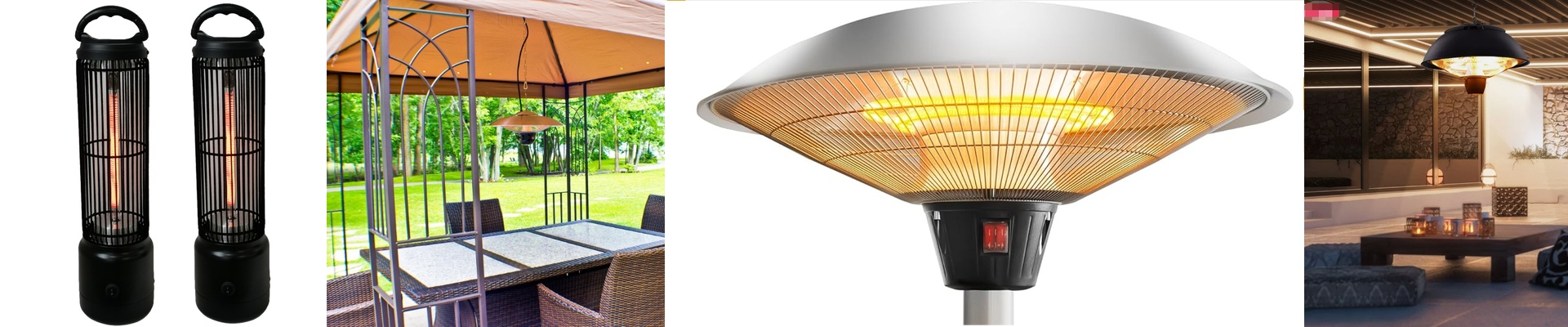
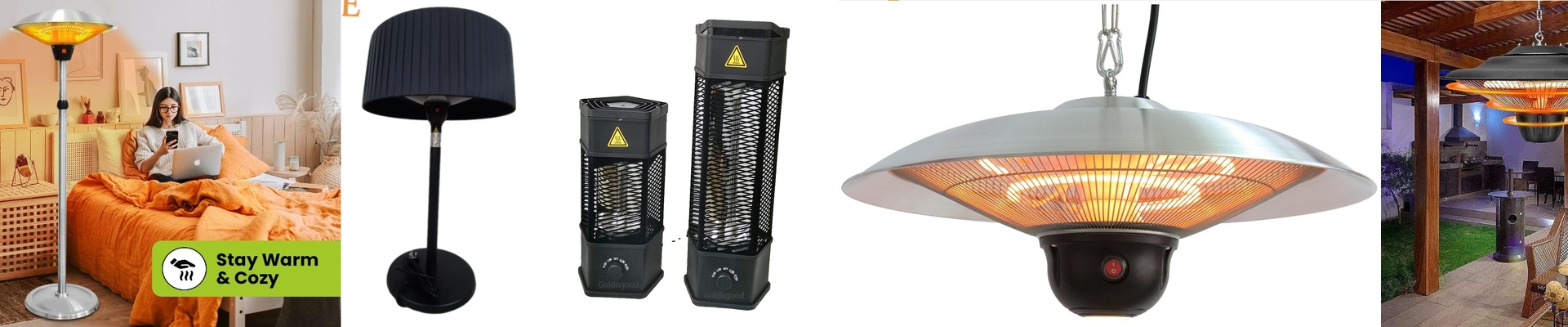

Most ceiling heaters don’t last long. It’s simple: they sit right in the path of all the rising steam and grime in a room. We’ve seen too many units die early, so we built our current line to actually survive that kind of mess. The struggle with moisture Think about what happens when you put a heater on the ceiling. It’s constantly heating up and cooling down. If the air is humid, water vapor clings to the lamp. This leaves behind mineral deposits and “cold spots” that mess with the heat flow. Eventually, that stress just snaps the quartz tube. To stop that, we added a hydrophobic coating and sealed the whole thing up. It keeps the fog away. When the surface stays clear, the heat actually hits the floor instead of getting trapped or scattered by a layer of moisture. Keeping the water out Water is the fastest way to kill a heating element. One bad splash or a leaky pipe overhead, and your electrical connections are toast. That’s why we use IP-rated enclosures. We spent a lot of time on the gaskets where the cables enter the chassis because that’s usually where things go wrong. If you’re putting these in a warehouse or a spot where you’re hosing down the floors, you won’t have to worry about your terminals rusting out. The honest truth Now, there’s a small catch. Adding these protective shells and coatings does change the heat pattern slightly. You might lose about 2-3% of the raw heat penetration compared to a totally open lamp. But honestly? It’s a trade-off we’re happy to make. I’d much rather lose a tiny bit of heat than have you replacing the entire unit every six months because the insides rotted. We built these to take a beating.