Why Your Gazebo Heater Actually Dies (And How We Fixed It)
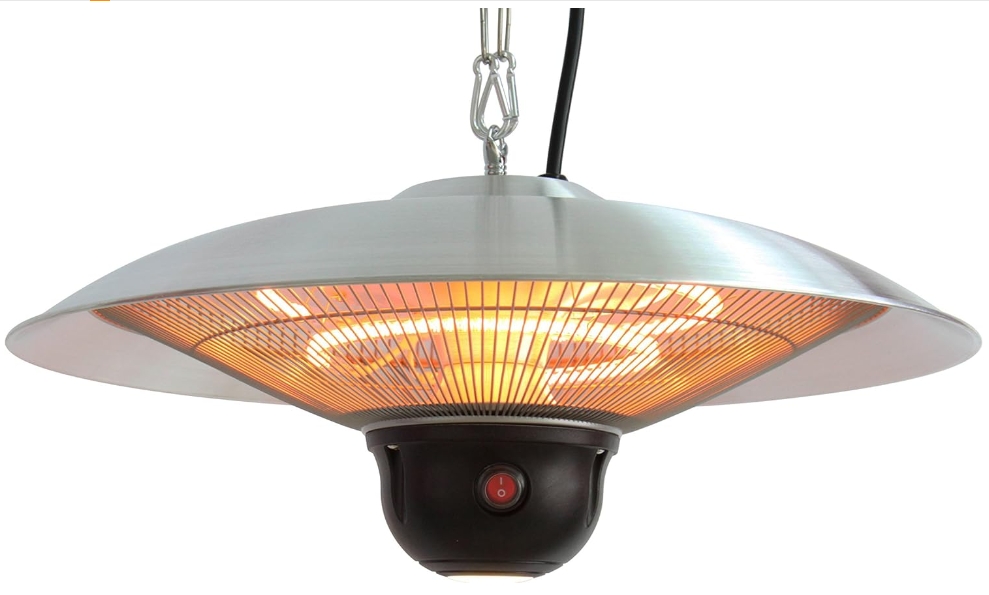
Most 1500W ceiling heaters work the same way: they blast shortwave infrared heat straight down. But here’s the thing—the heating element usually isn’t what gives out first. The real trouble starts where the lead wires connect to the quartz tube. In a lot of the cheaper units you see online, that seal just can’t handle the constant heating up and cooling down. It wears out. And once it does, the whole thing is a ticking clock.
The messy reality of “cheap” seals
When you’re pushing 1500W, it gets incredibly hot right at the electrode. If a manufacturer uses basic adhesives or low-grade seals, they just dry up and crack. That’s when the bad stuff happens. Moisture and oxygen sneak inside. The internal filaments start to oxidize, and the wire insulation gets brittle—almost like an old rubber band that snaps the moment you touch it. Once that insulation flakes off, you get a short circuit. Boom. Your heater is toast.
Doing it the right way
We decided to stop using “glue” and switched to a high-temp glass-to-metal seal. It’s a fused bond. We made sure it expands and contracts at the same rate as the quartz tube, so it doesn’t crack under pressure. By keeping the air away from those internal contacts, the wires stay healthy even if you leave the heater running for hours on a freezing night. You get a steady, reliable flow of power that doesn’t degrade as the unit gets older.
A quick heads-up on installation
Now, there is a trade-off. This kind of sealing costs more to build, and it makes the wires a bit stiffer during the initial setup. Don’t force it. If you bend these wires at a sharp angle, you risk cracking that seal, which defeats the whole purpose. When you’re wiring it up, give yourself a generous loop. Leave some breathing room so there’s no tension on the junction. If you cram the wiring into a housing that’s too tight, you’re just asking for trouble. Give it some space, and it’ll last you years.