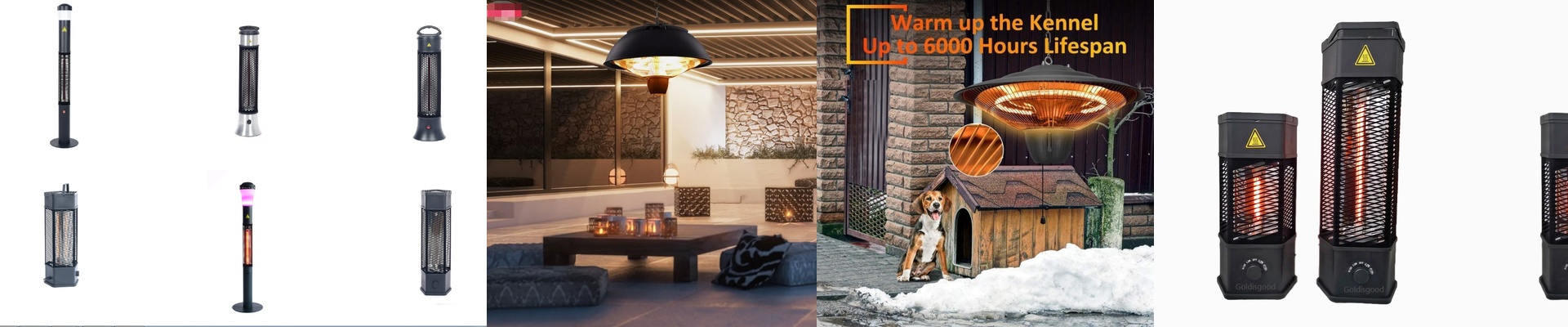
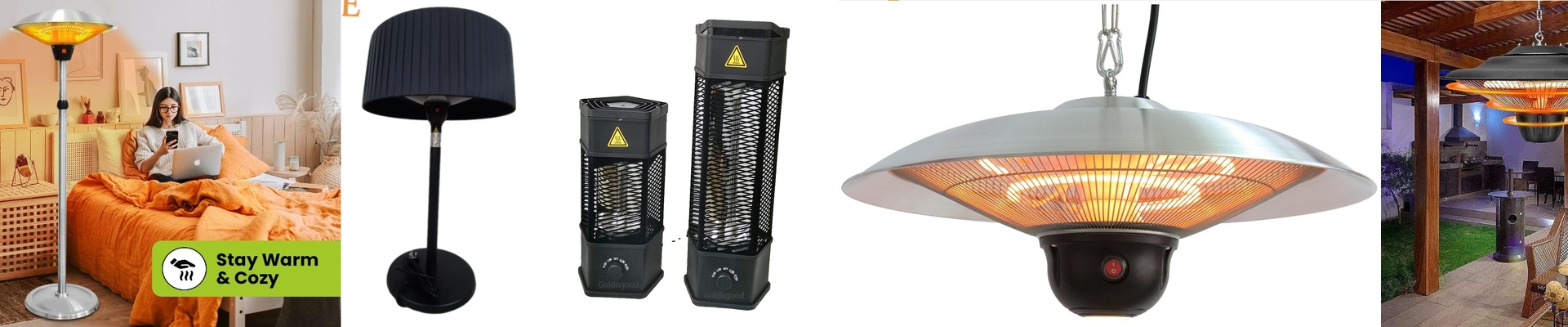
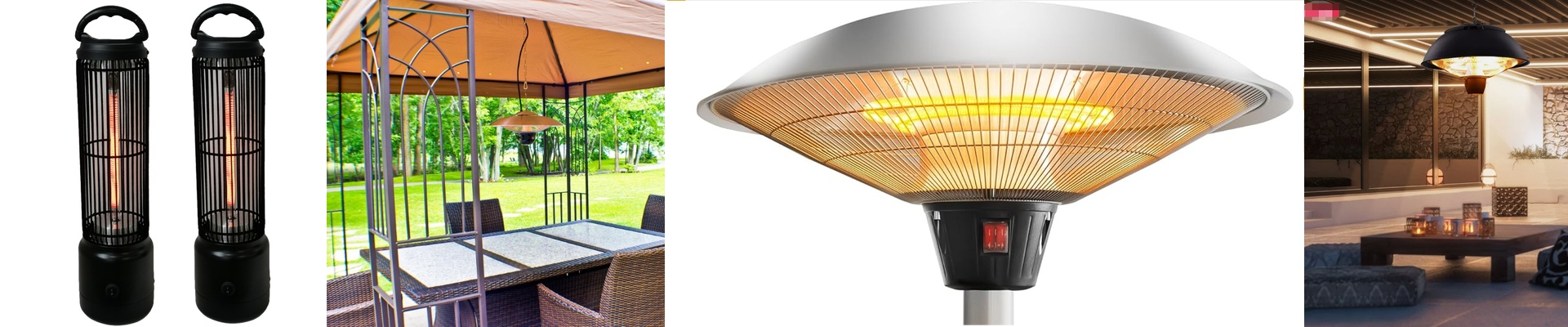
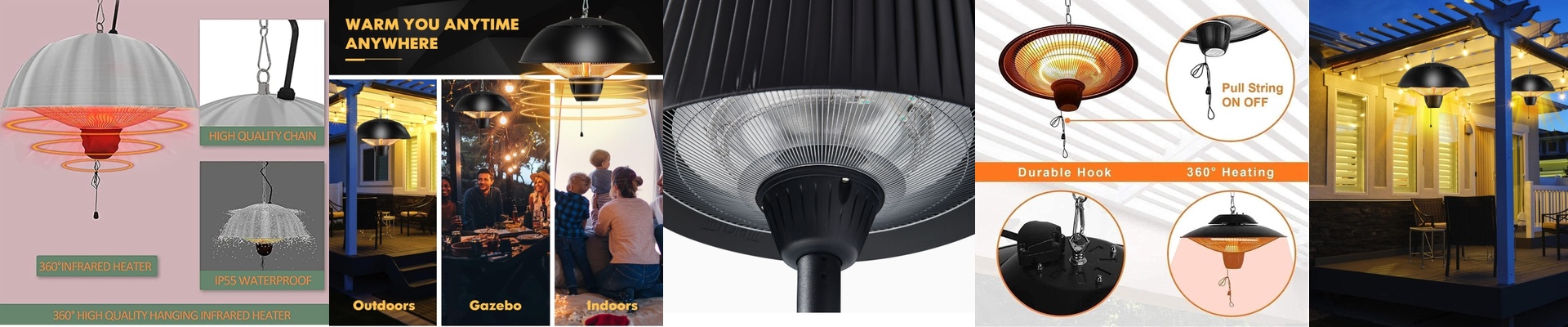
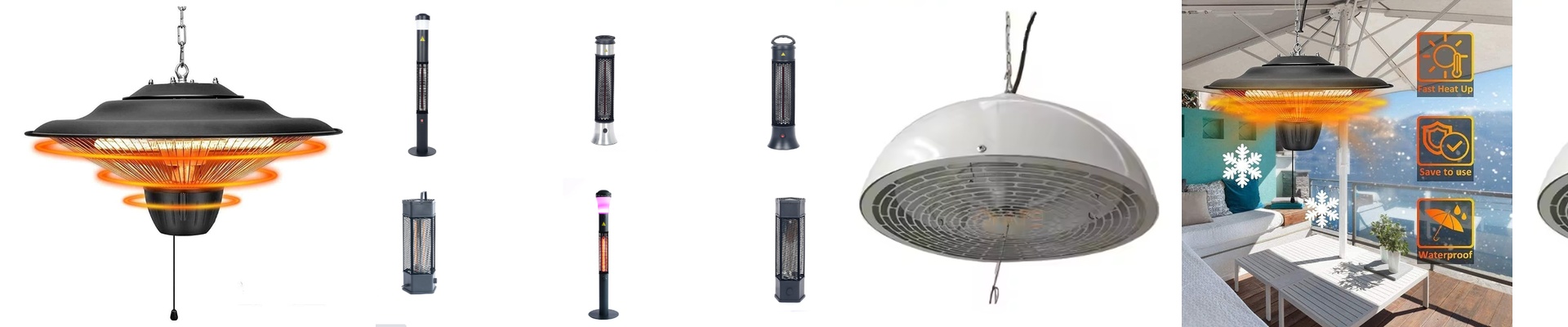
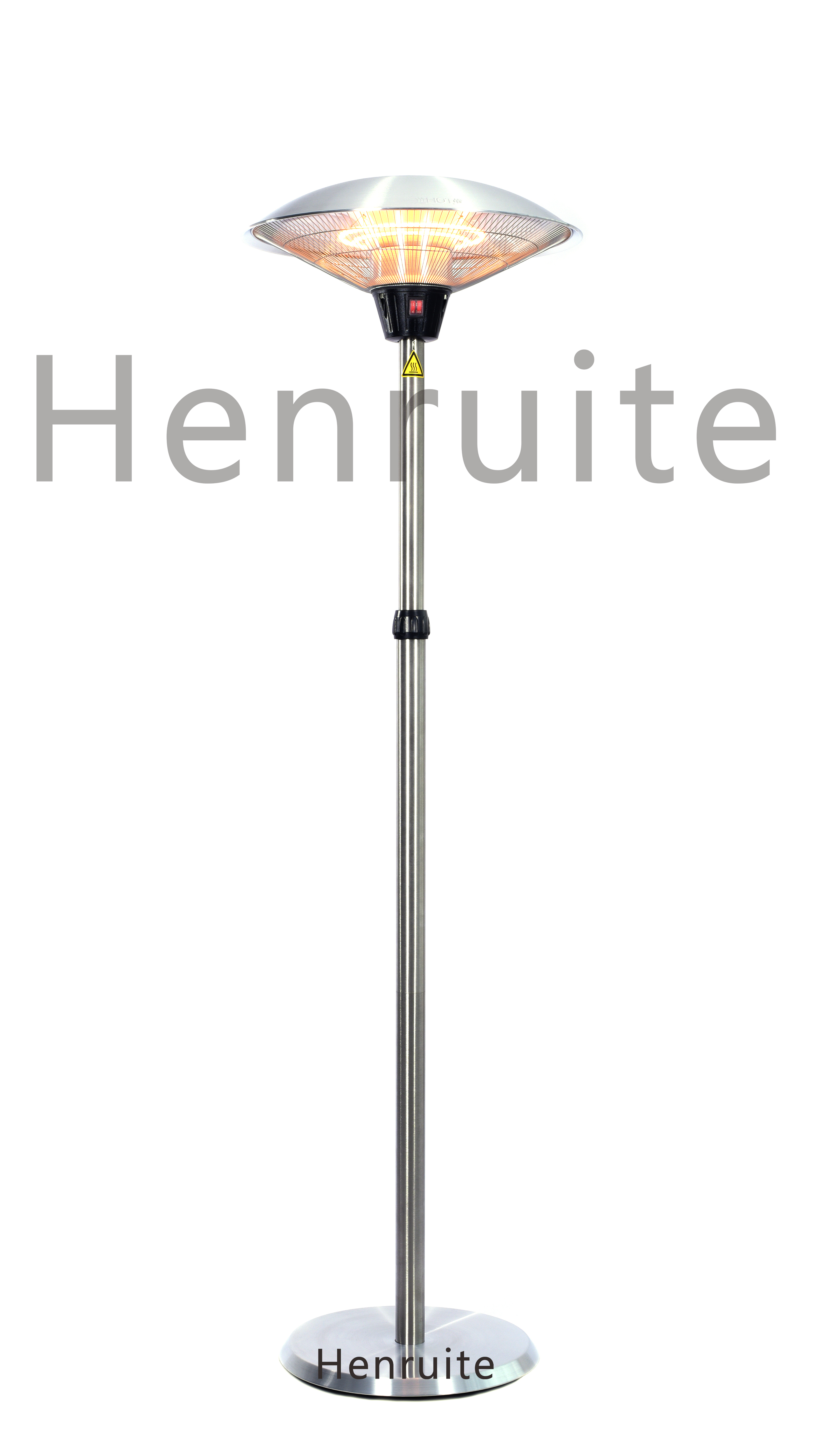
We build electric patio heaters that don’t just survive the outdoors—they thrive in it. And the secret behind that reliability? It’s all in the infrared lead seal. Because when you’re talking outdoor electric heat, waterproofing isn’t just about the outside shell. It’s about protecting the guts inside—those wires that have to put up with constant heating, cooling, and moisture. Here’s the thing: when the heating element fires up, things get seriously hot. Standard grommets can’t handle the stress. They crack. And once moisture gets in, you get arcing. Then failure. So we did it differently. Our infrared patio heaters run on standard voltage, giving you focused warmth exactly where you need it. The element is shaped to cover a typical patio area, delivering serious heat without pulling an oversized electrical load. It’s direct heat. So the energy goes straight to warming people, not wasting time heating the air around them. The payoff? A compact heater that’s predictable, efficient, and easy to live with. Now, let’s talk about what makes the whole system work. The heating element is a sealed quartz tube, filled with halogen, built to handle sudden temperature swings and endless on/off cycles. We use an R7s connector because it stays rock-solid, even under sustained high heat. But the real hero is the lead-seal termination. We seal the internal conductors with a ceramic-grade seal that locks moisture out and keeps oxidation from ever getting a foothold. That seal keeps the joint cool enough to stay intact, even when the tube outside is blazing hot. Outdoors, joints are where heaters usually fail. Not ours. Our waterproof infrared heaters keep that critical connection bone-dry, so you get reliable ignition and steady output—rain, wind, or that nasty freeze-thaw rollercoaster. And because the seal holds tight, you get far fewer maintenance calls. Moisture simply can’t travel along the conductor path. One thing to keep in mind: high-temperature operation means you need proper clearance and ventilation to manage reflected heat. Get the space spec’d right, and you’ll have a heater that just keeps going, year after year, with hardly any fuss.