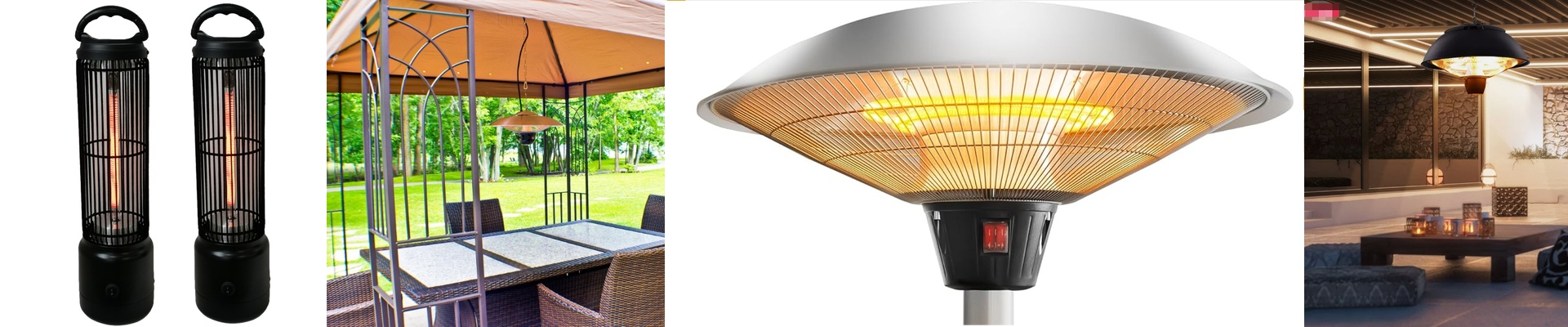
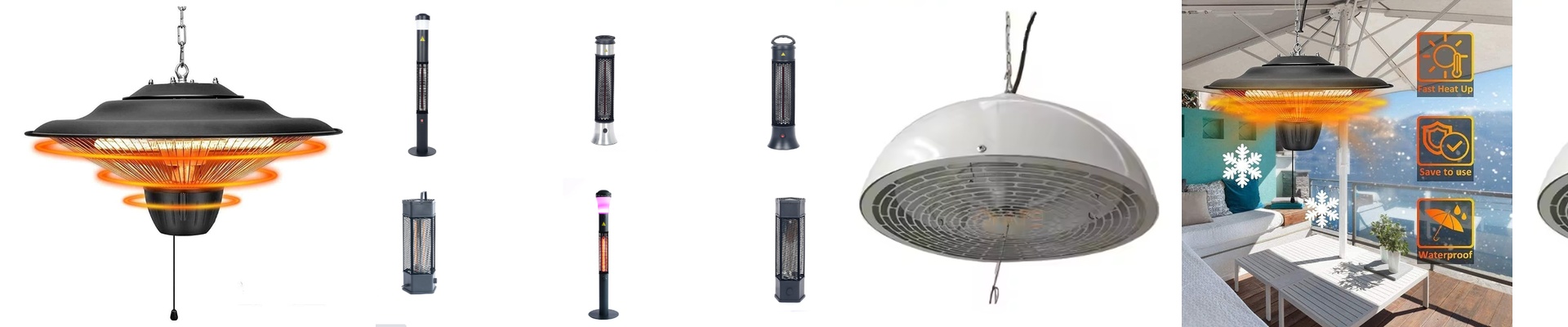
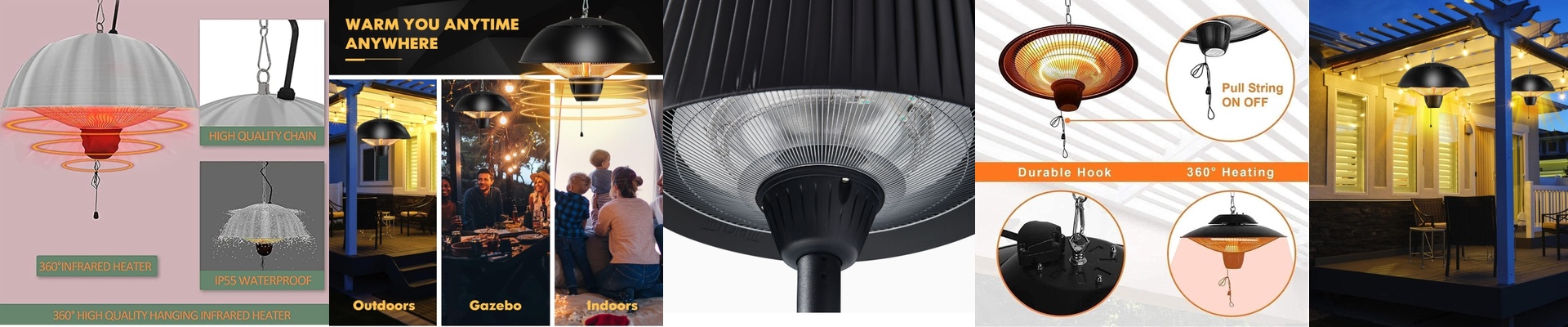
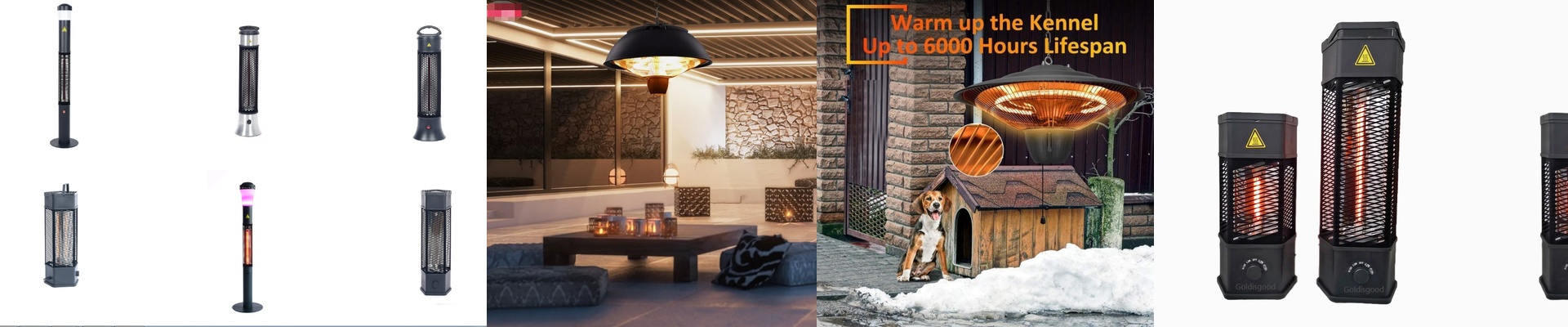
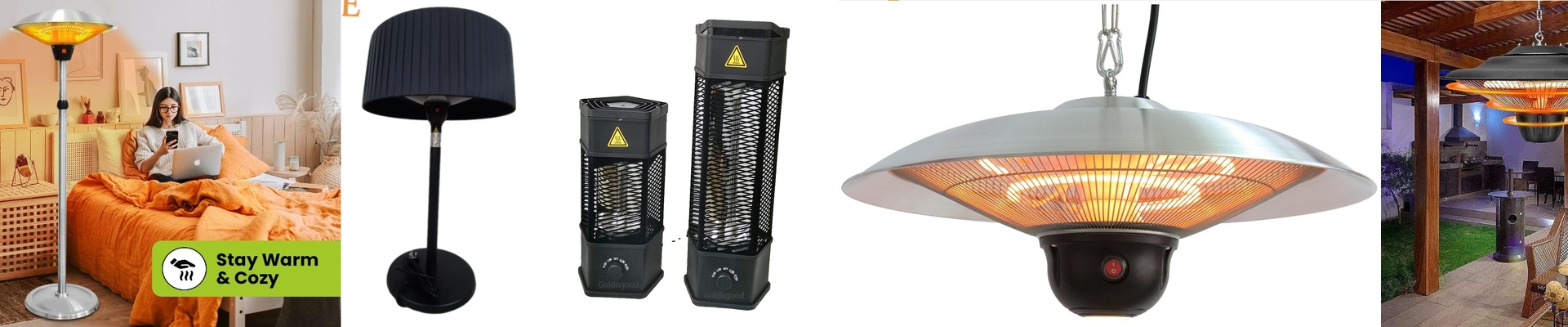
On a cold workshop floor or a drafty garage, standard heaters are always fighting an uphill battle. They push out warm air that rises and scatters before it ever reaches you. You end up with uneven warmth, high bills, and that damp chill that settles into tools and joints. Switch to a pipe heater electric with infrared, and the approach changes. It delivers radiant heat that travels in a straight line, warming people and objects directly. You feel the heat the moment you step into the beam, and you stop wasting energy on empty space.
What matters under the hood
Infrared warmth comes from a sealed quartz tube or a carbon fiber element that turns electricity into long-wave radiation. In a typical 1.5–3.0 kW pipe heater electric, the element runs around 800–900°C. That creates a focused beam that travels outward without relying on air movement. The pipe shape concentrates the output, and the reflector directs it forward, so you get a defined heating zone rather than a diffuse glow. Many units add a built-in thermostat for steady comfort, and safety features like tip-over protection and overheat cutoff keep operation predictable.
Why this shines where you need it
Point-and-heat performance is ideal for spaces where people are constantly moving in and out — workbenches, service bays, covered patios, and entryways. The beam hits the spot where you stand and work, so warmth arrives within seconds. Because the heat is directed, you avoid the dead zones that come with broad-area heating, and you stop throwing energy at ceilings and walls. In practice, that means faster warm-up, fewer drafts, and lower operating cost. For comfort, the gentle radiant warmth helps relax muscles and ease stiffness, so cold mornings are easier without cranking the whole room.
The practical details
Infrared works best in open or semi-enclosed areas with decent air circulation. In a tight, sealed room, you may notice a little localized drying. Installation is straightforward — pick a model rated for the environment, and keep clearances free of combustibles. Most pipe heater electric units plug into a standard outlet, but if you run higher wattage, a dedicated circuit is the smart move. Expect the tube to run warm, so keep the heater above or away from foot traffic, and use the stand or mounting bracket to set the beam at the right height.