Designing for Day 1,825: Why Modular Maintenance Actually Matters
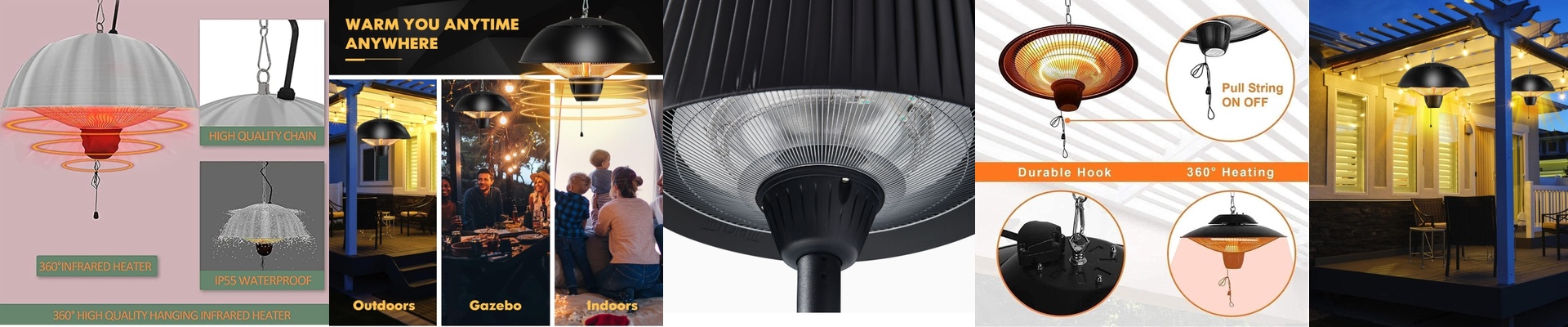
Most patio heaters are designed for the day they get installed. That’s great for the salesperson, but it’s a nightmare for the technician who has to fix it five years later. When you go for an IP55-rated heater, you’re basically paying for a shield against dust and rain. But usually, that protection comes with a catch: a sealed-shut chassis that makes getting to the heating element feel like you’re trying to crack a safe.
Stop the “Tear-Down” Madness
We got tired of the “tear-down” approach. You know the one—where you have to basically dismantle the whole machine just to fix one part. Instead of wiring the heating tube directly into the guts of the unit, we went with a plug-and-play setup. Here’s why that matters: if a tube burns out after five winters, you don’t have to spend your afternoon rewiring the whole thing. You just swap the module. It’s a simple split. The weather-shielding stays put, and the electrical core stays accessible. You pop open one panel, unplug the quick-release leads, and slide the old element out.What used to be a two-hour headache is now a ten-minute job.
Weather-Proofing Without the Lock-Out
Getting a tight IP55 seal is tricky. You need everything to fit perfectly to keep the grit and rain out of the circuitry. Usually, that means permanent fasteners—the kind of screws that strip the moment you touch them. We decided to do things differently. We used compression gaskets and sealed cable entries, but we swapped the permanent bolts for captive screws and clips that don’t even need tools. It means you get the protection you need for the outdoors, but you aren’t locked out of your own hardware. No fighting with rusted bolts. No cutting through old sealant just to find a wire.
The Reality Check
Look, modular designs take up a little more room. The footprint is slightly larger. But you’re trading a bit of compactness for the ability to fix things right there in the field. You don’t have to pack the unit up and ship it back to a factory. For a busy commercial spot, staying powered on is the only thing that really counts. Just do your staff a favor: show them where the release points are before the first cold snap hits.