Making Your Patio Heaters Actually Smart
Let’s be honest: nobody wants to walk across a freezing cold deck in their pajamas just to flip a switch for the patio heaters. It defeats the whole point of having a cozy outdoor space. We’ve spent a lot of time figuring out how to take heavy-duty, industrial-strength heat and make it play nice with the smart home gadgets you already use.
Built for the Elements
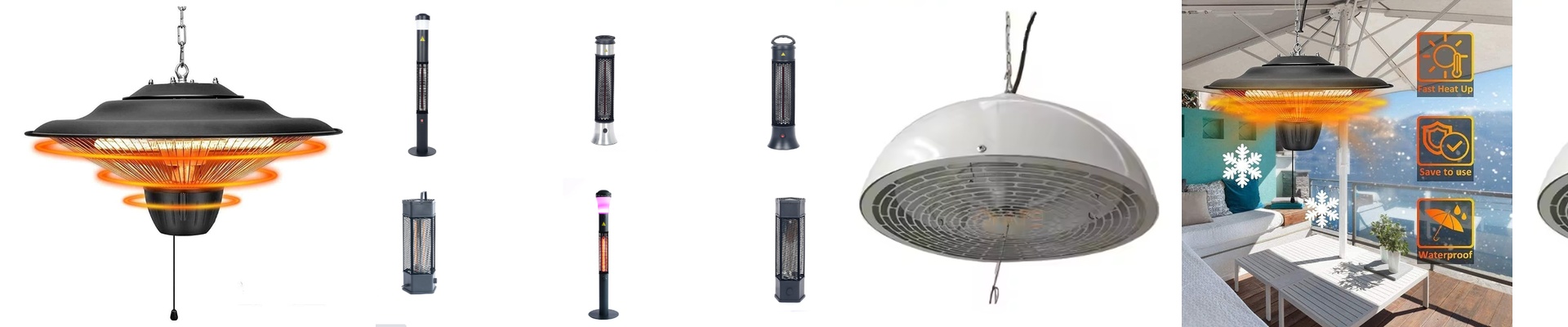
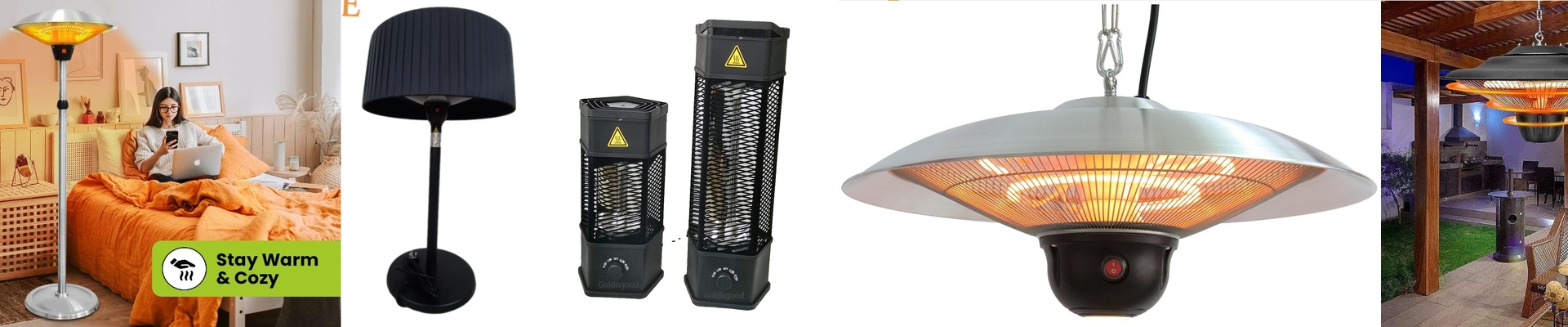
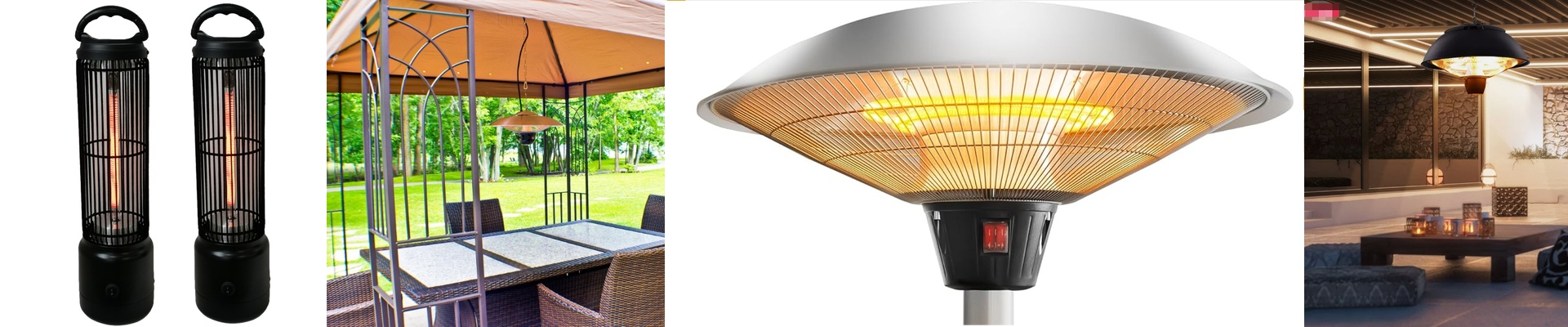
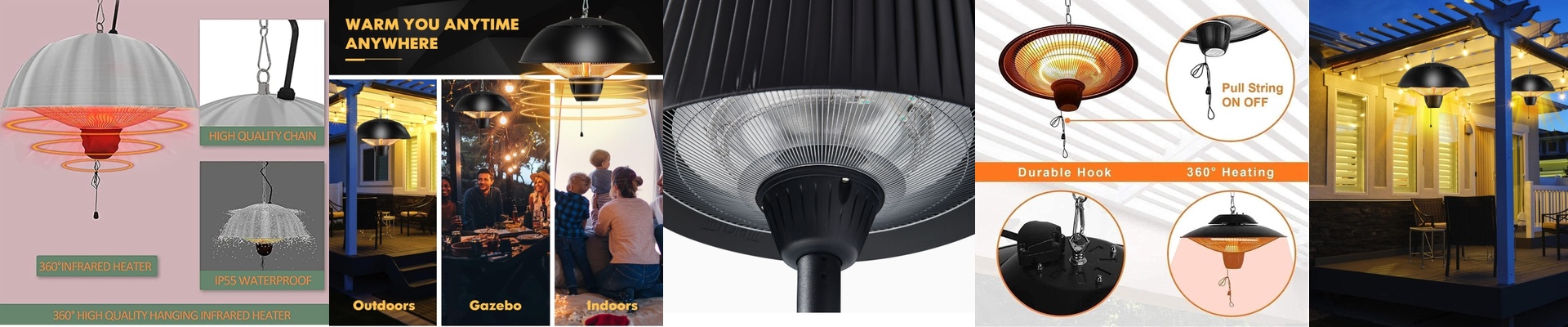
First, let’s talk about that “IP55” label. In plain English? It means your heater isn’t going to freak out the first time it rains or gets dusty. It’s built to keep the guts of the machine dry and safe, so you don’t have to worry about a short circuit ruining your evening. We use shortwave infrared tech here. Most heaters just try to warm up the air—which is useless outdoors because the wind just blows the heat away. These units are different. They beam heat directly onto you. You feel it the second you turn them on. It’s like stepping into a patch of sunlight in the middle of January.
Getting it Connected
To get that “one-tap” magic on your phone, we use a smart relay or a Zigbee/Wi-Fi module. Think of this as the brain. It talks to your home hub, which then tells the power supply to kick in. You can even get fancy with it. Hook it up to a temperature sensor, and you’re set. Once the air hits 10°C, the heaters just… kick on. You don’t even have to think about it.
A Word of Warning on Wiring
Here is where things get tricky. These lamps pull a massive amount of power. If you try to run five 2000W heaters through one tiny smart relay, you’re going to fry that relay in a matter of days. It’s just not built for that kind of load. The trick is to use a heavy-duty contactor to do the heavy lifting. The smart module should only act as the “trigger”—the finger that pushes the button—while the contactor handles the actual electricity.
Real-World Setup
If you’re swapping out old electric heaters, these usually fit right in. But keep an eye on the weight. Make sure your mounting brackets are sturdy; otherwise, you’ll end up with sagging heaters within a year. Also, give them some breathing room. If the housing is cramped, the electronics can overheat during those long winter nights. A little ventilation goes a long way.