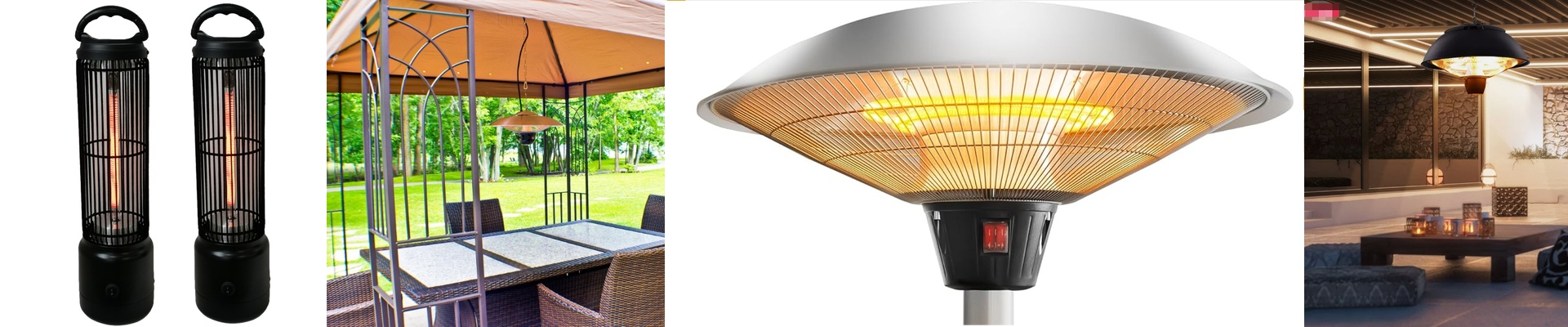
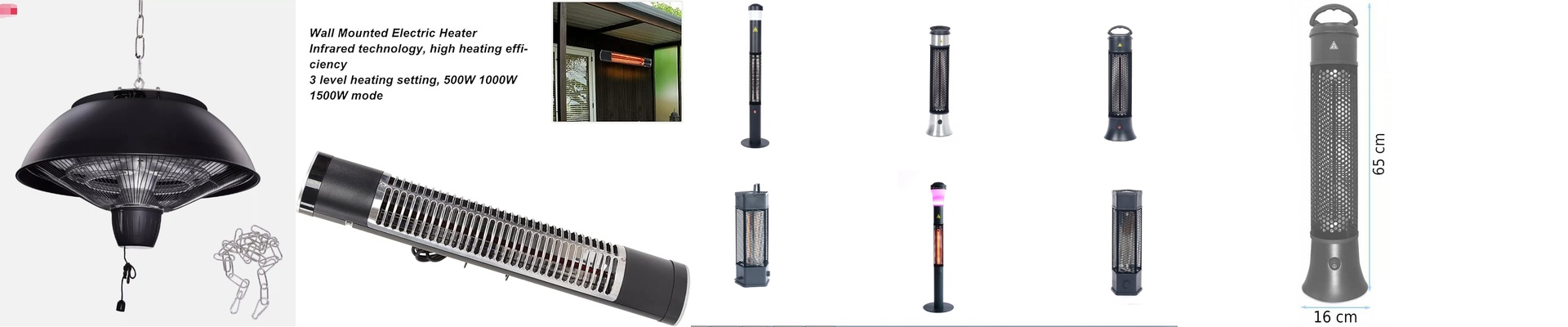
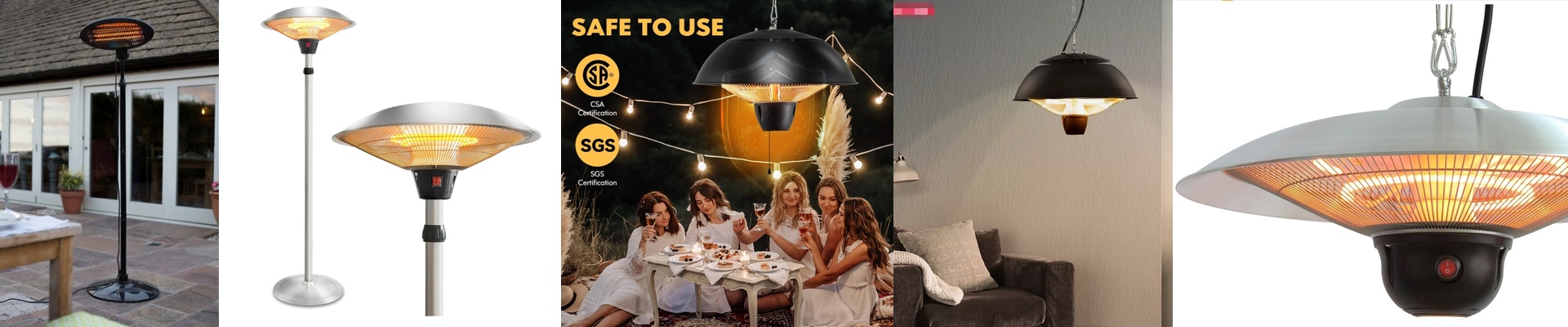
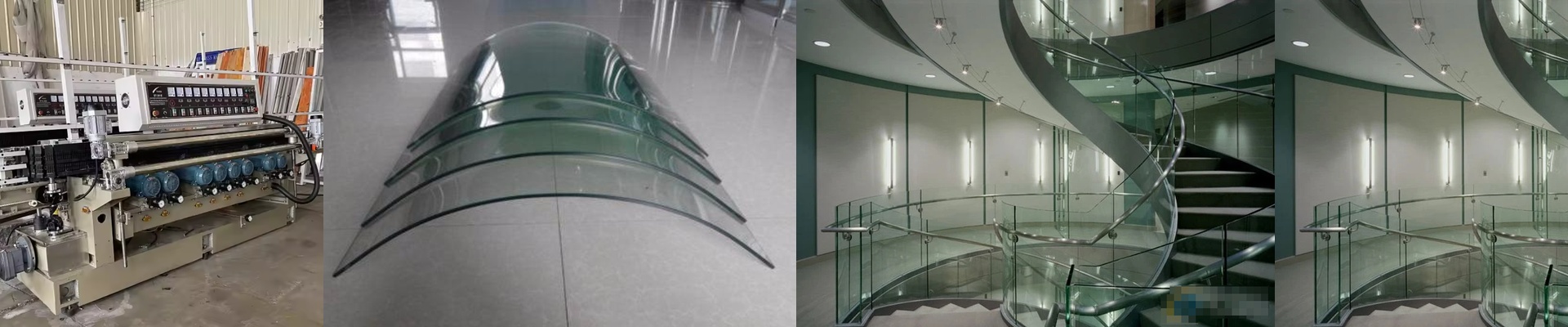
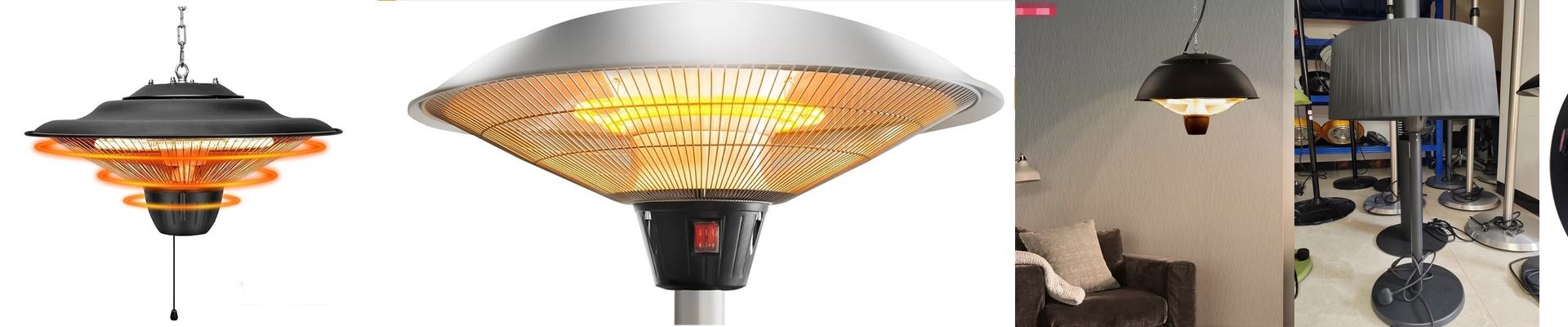
On the glass line, heat isn’t just a number on a chart—it’s control. If the warm-up is too slow in bending, the press sits idle. A cold spot in lamination shows up as unbonded edges. And in tempering, any thermal non-uniformity is an open invitation to breakouts. The gold-coated infrared lamp was built to take that variability out of the equation. It throws fast, directional energy with a tight spectral focus, so response is quicker and the thermal profile stays stable cycle after cycle. What matters under the hood Gold-coated quartz infrared emitters concentrate output in the near-infrared band, right where glass and common coatings absorb. Energy goes into the surface and interface, not into heating the air. We set the lamp up for repeatability: consistent watt density, fast ramp rates, and stable emissivity over the life of the tube. The gold coating reflects heat back onto the filament, which boosts efficiency and keeps external surface temps down—less radiant loss to the surroundings. In practice, you get faster heat-up, lower kWh per part, and a more even temperature across the glass. Why it fits the processes we run In tempering, the lamp hits the set point quickly, so you can push quench pressure higher without cooking the edges. In bending, you get uniform heat across the mold, which cuts optical distortion and edge roll-off. For EVA/SGP/PVB lamination, it drives the adhesive through gel and cure without bubbles, shortening dwell and holding flatness. In coating drying and insulating glass sealing, the lamp dries the edge seal fast, keeping moisture out and improving long-term durability. The payoff is higher yield, fewer scrap sheets, and a process window you can run with confidence. What you need to keep straight These lamps are picky about clean power. Voltage spikes and uneven phase balance shorten filament life and can make output inconsistent. Match the control system, and insulate properly to manage convection and protect nearby components. Expect a tight hot zone—alignment and shielding matter. Treat the lamp like a precision module, not a generic heater. Do that, and you get predictable heating, lower operating costs, and fewer unplanned stops.