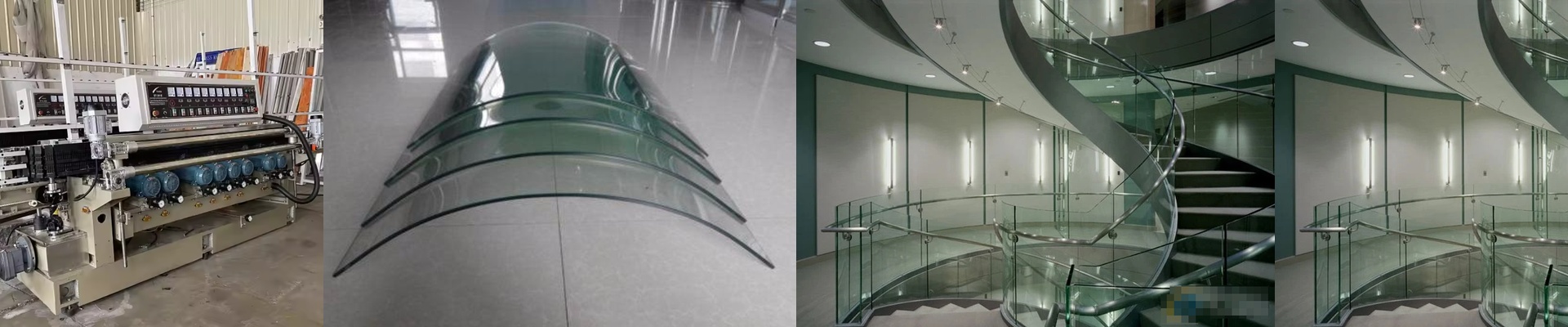
On the glass line, residual thermal stress is the quiet troublemaker that eats yield. It shows up as spontaneous breakage after cutting, or as optical distortion that fails inspection. Convection heating stretches the cycle and leaves the sheet uneven, so the stress never fully lets go. We built a stress-relief infrared setup to address that, right where the glass is hot. What matters under the hood The module leans on short-wave infrared quartz emitters to deliver fast, volumetric heating with minimal convection. It pulls a 12°C/s ramp from ambient to 620°C, so it keeps up with tempering and bending without creating a bottleneck. At steady state, temperature uniformity across the glass plane stays within ±3°C, which cuts the thermal gradients that concentrate stress. Power density runs 45–60 W/cm², tuned to penetrate the surface quickly without localized hot spots. Response time is under 2 seconds, so closed-loop control stays tight. The emitters are rated 8,000+ hours with under 5% output decay, and we match standard mounting dimensions so the unit drops into existing fixtures. Why this plays well on the floor In tempering and bending, you need the entire sheet at target temperature before quenching. If the heat isn’t even, stress locks in—and it comes back later as breakage or optical defects. Our infrared profile flattens the thermal field, so the whole sheet gets the same soak. The payoff is fewer rejects, stable optical quality, and flatness you can count on. The fast ramp also shortens cycle time, so throughput climbs without adding floor space. Energy use falls because the emitters heat the glass and the immediate zone, not the entire oven volume. What you need to keep in mind This is line-of-sight heating, so position the emitters to cover the glass path without shadows. Emissivity shifts with coatings, so the control strategy should use pyrometer feedback and auto-tuning to keep results consistent. The system works with most tempering and bending lines, but retrofits may need minor tweaks to insulation and guarding. Plan on a short commissioning window to lock in the thermal profile for your specific glass thickness and coating stack.