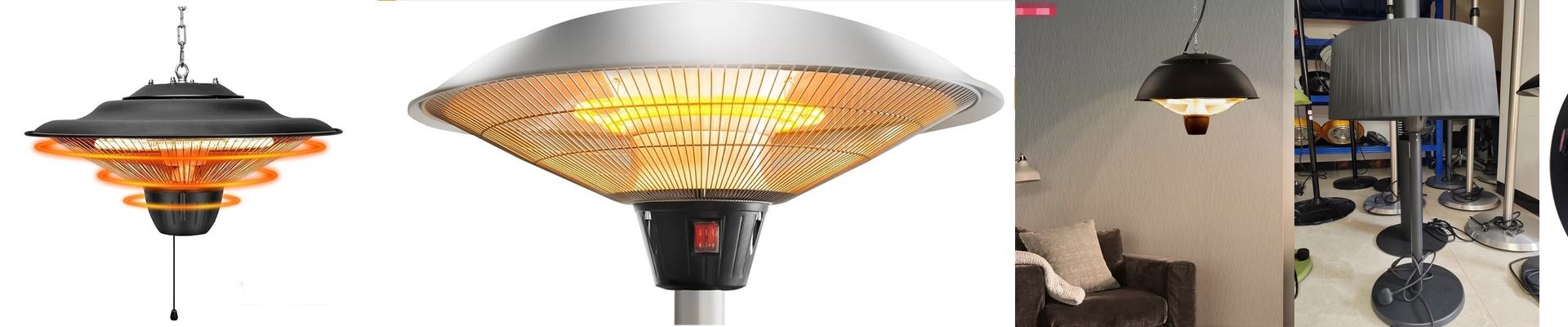
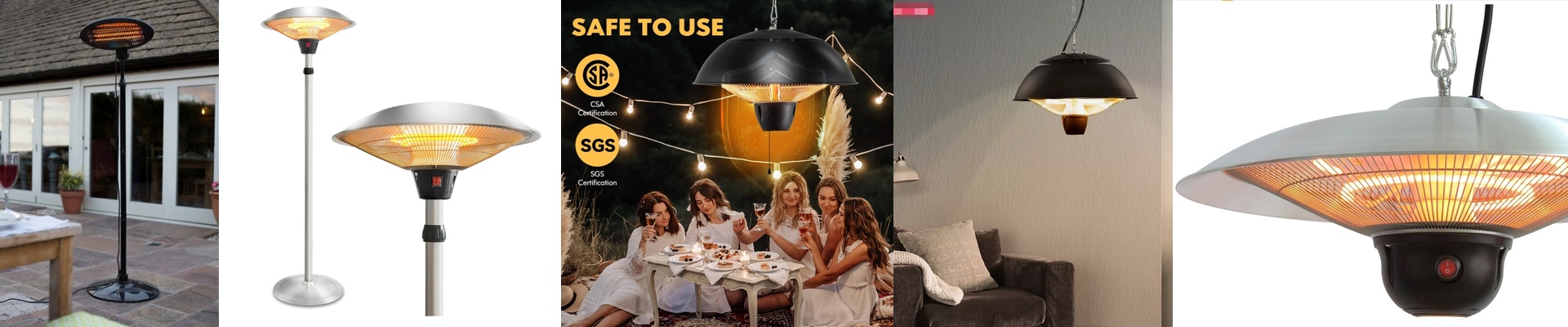
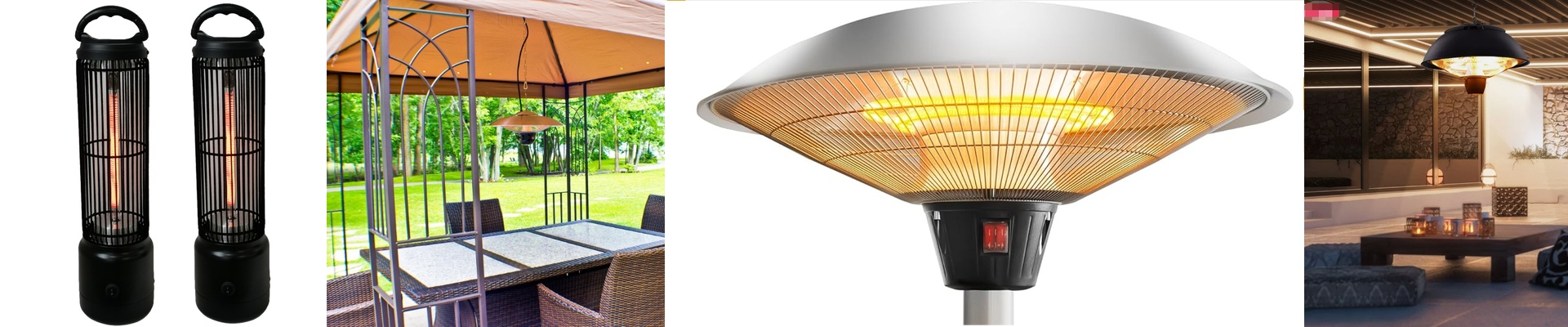
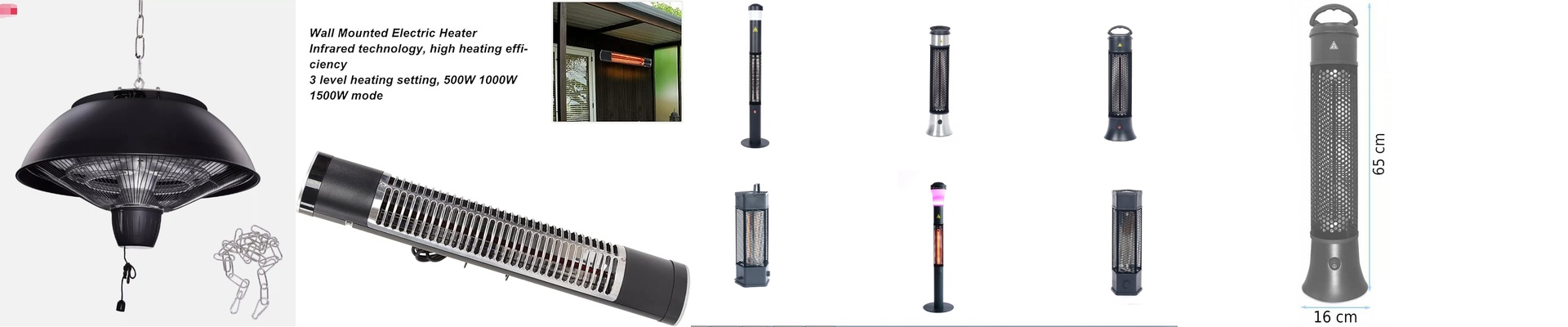
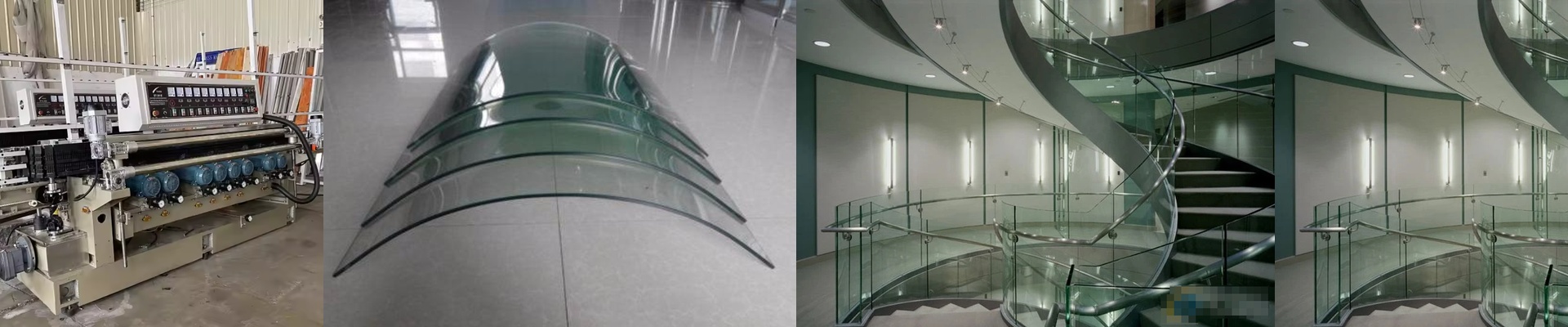
On the bending line, scrap doesn’t show up as one big disaster. It shows up as a steady drip: optical distortion, warped edges, and thermal fractures that kill the run. Nine times out of ten, it traces back to the same culprit—uneven heat across the glass. When the hot zone has hot spots and cold zones, the glass bends under unbalanced stress. Then you pay in wasted material, rework, and lost throughput.
What matters, technically
We build the heating system around a uniform thermal field. That’s what prevents differential expansion and keeps the shape repeatable. In practice, it means keeping the temperature spread tight across the radiant panel and holding stable emissivity performance at bending temperatures. The payoff is predictable heating that tracks the glass transition behavior without local hot points driving you nuts. Energy use drops because the system hits setpoint fast and holds it, instead of wasting time on over-heat and cool-down corrections.
Why it plays out on the bending furnace line
Uniform heating on the bending furnace line means fewer fractures and fewer optical defects. The glass heats evenly, so it bends evenly—edge to edge, batch to batch. Scrap falls, and cycle time settles, because you spend less time chasing warp and more time running parts. Operators get consistent setup, too. Once the profile is matched to thickness and bend radius, the heating behavior repeats without constant fiddling.
Things to keep straight
Drop-in compatibility comes down to the existing furnace footprint and the heating module mounting interface, so confirm dimensions, terminal arrangement, and control method before changeover. If you switch to a higher-uniformity radiant system, recalibrate the temperature measurement points to match the new thermal pattern. Otherwise, the controller will chase a false profile. Do the changeover during a scheduled line stop. Alignment and control tuning take time, but that time buys you stability—no drift, and yield that stays protected.