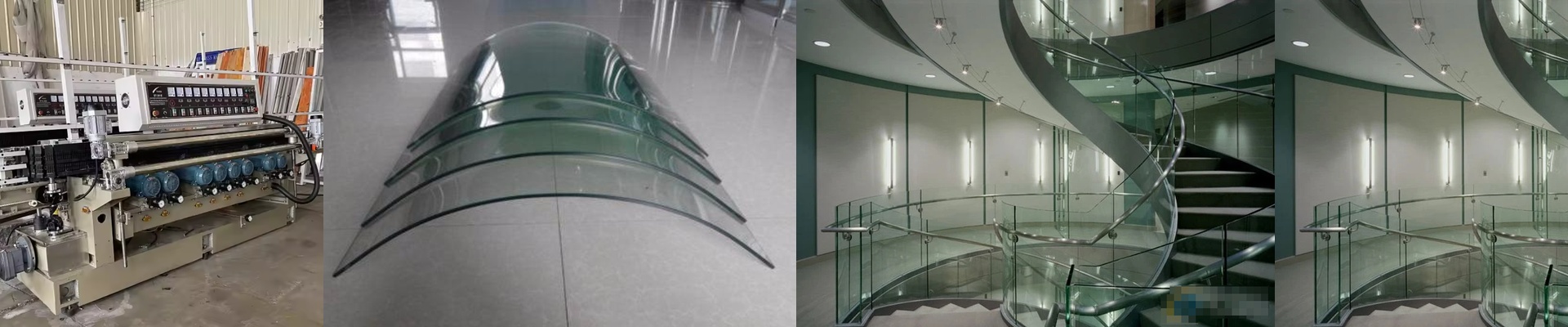
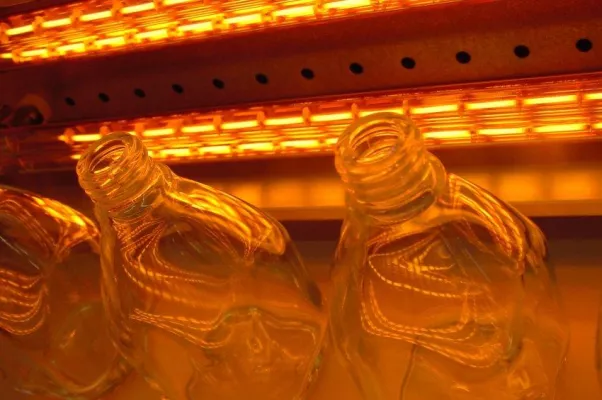
On the glass line, heat is more than temperature. It’s timing, it’s distribution, and it’s repeatability—every cycle. When the molding furnace is running, uneven heating shows up fast: optical distortion, edge wave, bends that end up in the scrap bin. We built our glass molding heating elements to keep the thermal field stable where it matters—across the mold surface and through the glass profile, shift after shift.
What matters under the hood
We run short-wave quartz infrared emitters because they respond quickly and pack high power density without pushing a lot of convection around. The filament layout is laid out to match glass emissivity and absorption, so the heat transfer is direct instead of roundabout. Standard setups are 230 V or 400 V, with power density tuned to the furnace footprint—typically 25–40 W/cm², depending on glass thickness and cycle time. The quartz tube handles thermal shock during fast ramp-ups, and the terminal design uses industrial connectors so the current path stays solid.
Why this holds up in bending and tempering
In bending and tempering, the heating window is tight. The element has to hit setpoint fast, hold uniformity across the zone, and then cool quickly enough to keep the line moving. With this layout, temperature deviation across the active area stays within ±3 °C. That keeps thermal stress down and optical quality consistent. Operators see fewer rejects from warp and waviness, and the furnace recovers faster after door cycles. You also get lower energy use because less mass is being heated, and less downtime because the elements are built for high-cycle environments.
What you need to watch
These elements work with most molding and bending furnaces, but mounting and clearance aren’t optional. Check groove geometry, terminal orientation, and airflow before you swap anything in. Keep the reflector clean and aligned—misalignment is the quickest way to lose uniformity. Output peaks at close distance; if the glass path moves closer than the design intends, dial power back to avoid hot spots. Replace elements on scheduled maintenance, not after they fail. That protects yield—and safety.