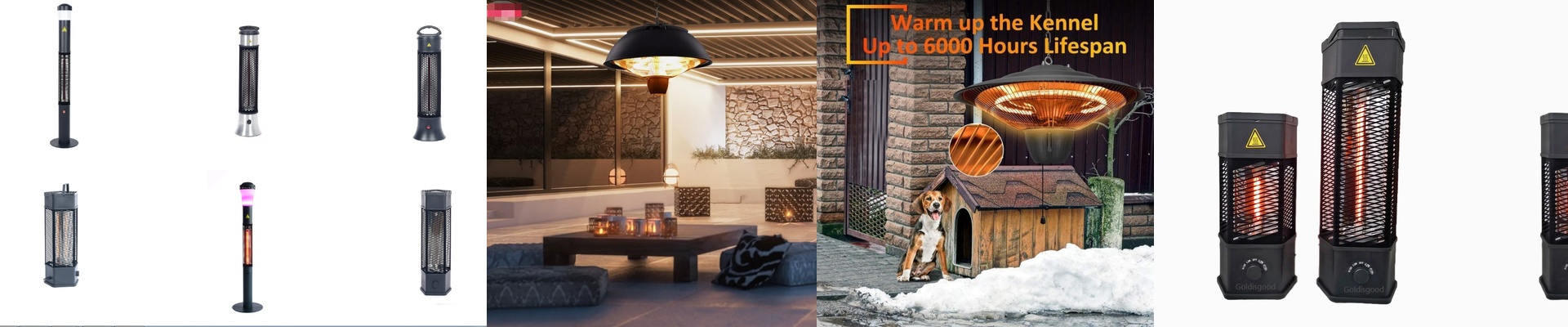
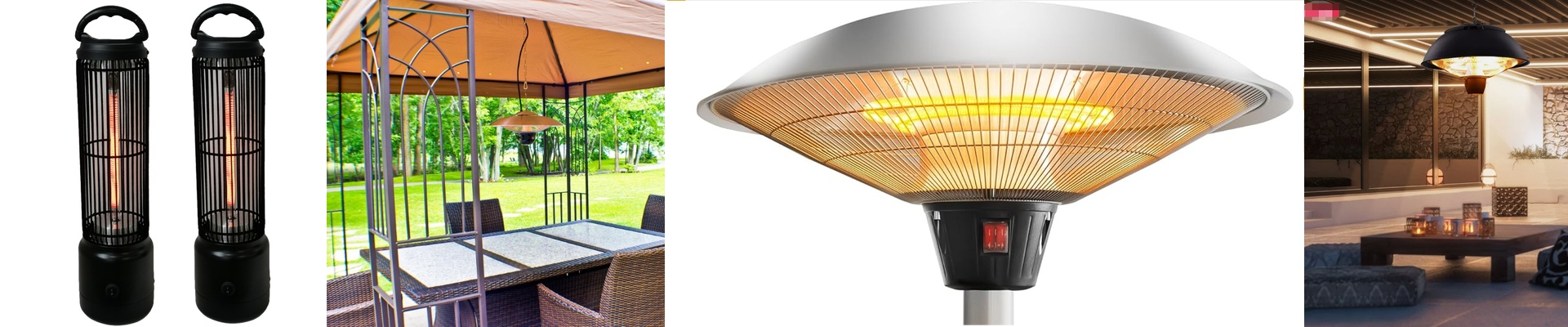
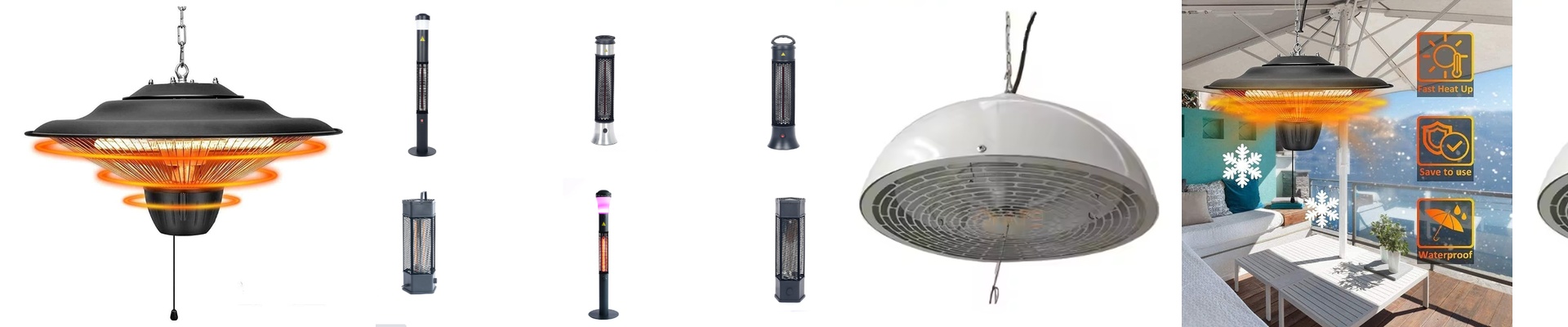
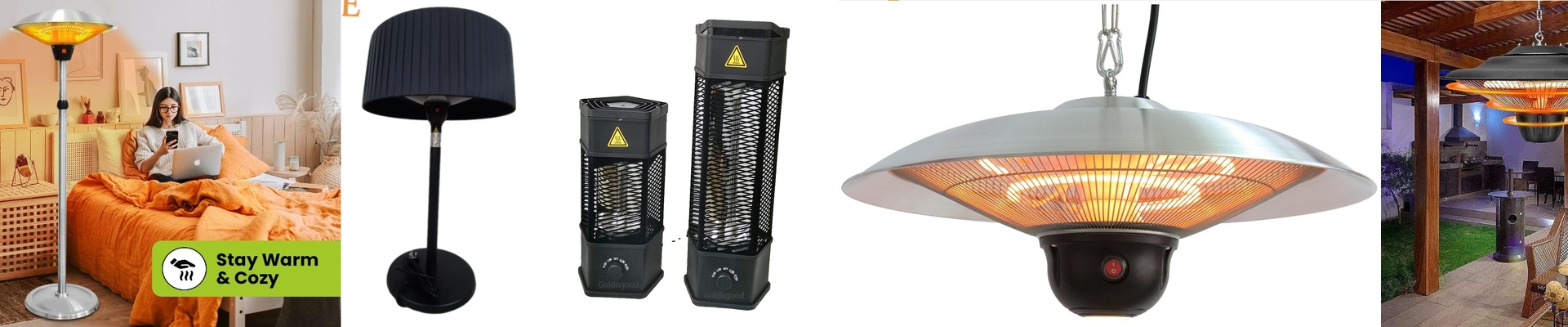
Keeping Your Pergola Heaters Alive in the Rain
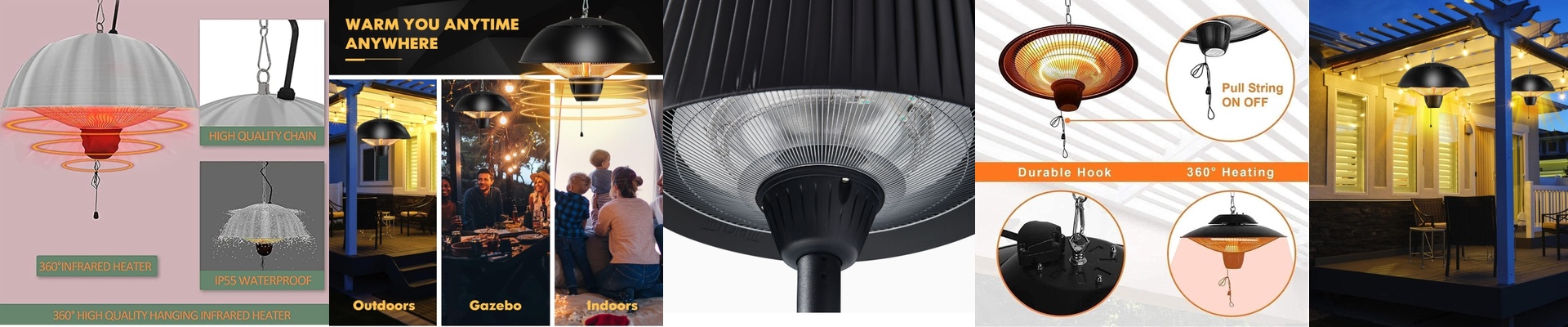
Let’s be honest: putting an infrared heater in a pergola is basically like inviting the elements to try and kill your electronics. Between the humidity, the morning dew, and the occasional unexpected downpour, your hardware takes a real beating. That’s why we don’t just “build” these units; we armor them. We use specific IP-rated seals because the last thing you want is moisture sneaking into the electrical terminals. The fight against leaks Water is the enemy here. It’s the number one reason outdoor heaters short out. To stop that, we use heavy-duty gaskets and sealed housings to keep the wiring bone-dry. It’s not just about the rain, either. Think about when you’re cleaning your patio with a hose. Our splash-proof design keeps that spray out of the chassis. Plus, it protects the quartz glass. If a cold drop of water hits a hot heating element, the thermal shock can actually crack the glass. Our housing makes sure that doesn’t happen. Dealing with the “fog” Ever notice how things fog up when they cool down in the damp air? That’s a problem. That fog isn’t just annoying to look at—it traps moisture against the lens, which leads to rust and corrosion. To fix this, we put a special coating on the glass and designed specific venting paths to keep the air moving. This keeps the surface clear and, more importantly, stops the internal filaments from oxidizing and burning out too early. The honest trade-offs Here is the deal: making something waterproof makes it heavier. These units are a bit bulkier and don’t breathe quite as freely as indoor heaters. Because of that extra weight, just double-check that your mounting brackets are sturdy enough. And a quick heads-up: while they can handle splashes and rain, they aren’t submarines. Don’t dunk them in a pool. We spent a lot of time obsessing over the cable entry points. Why? Because that’s where the cheap heaters always fail. By locking those junctions down tight, your heater can actually survive several winters without the wiring frying or the terminals rusting away.