Why We Torture Our Infrared Heaters with Steam
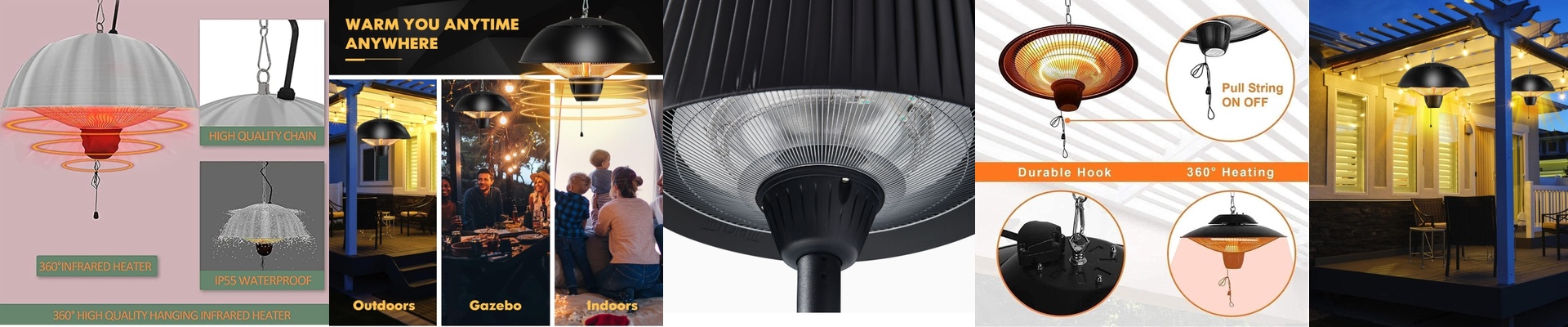
We build our bathroom lamps to hit the IP55 standard. On paper, that just means the housing keeps out dust and can handle a spray of water from any direction. But here is the thing: a static rating doesn’t tell you what happens after five years of steamy showers and freezing mornings. That’s why we don’t just trust the rating. We put every single batch through “damp-heat aging tests.” Basically, we try to break them before they ever get to your house.
The battle against moisture
Bathrooms are honestly brutal on electronics. You go from cold air to thick, heavy steam in seconds. This creates a sort of vacuum effect that sucks moist air right through the gaskets and seals. Once that moisture touches the internal wiring or the quartz tube terminals, you get oxidation. It’s like rust for electronics. It creates resistance, the terminals overheat, and eventually, the whole thing just burns out. To stop that, we lock our units in a humidity chamber—85% humidity and high heat—for hundreds of hours. We aren’t just checking a box to see if it “passes.” We’re hunting for the exact spot where the seal gives up first.
Heat, stretch, and snap
The infrared element gets scorching hot, fast. Meanwhile, the outer chassis stays relatively cool. This creates a massive temperature gap. Materials expand and contract at different speeds, which puts a lot of stress on the seals. If the material is too stiff, it cracks. Too soft? It warps. Our aging tests force these materials to take a real beating. We want to make sure the waterproof membrane doesn’t just perish and crumble after a few months of use.
Finding the sweet spot
There is a tricky trade-off here. If we make the seal too tight to get a “perfect” waterproof score, we accidentally trap heat inside the housing. That’s a problem because it cooks the internal capacitors, killing the lifespan of the heater. It’s a balancing act. We keep the IP55 seal tight enough to keep the water out, but we build in just enough calculated venting so the electronics can breathe. It’s the only way to make sure the heater actually lasts.