Why Most Bathroom Heaters Die (And How We Fixed Ours)
Let’s be honest: bathrooms are basically torture chambers for electronics. Between the thick steam and the occasional stray splash of water, most heaters just can’t keep up. They rust, they short out, and then they’re trash. We wanted to build something that actually lasts. Here is how we did it.
Dealing with the Steam
The biggest enemy here is condensation. When a tiny drop of water hits a scorching hot quartz tube, it causes “thermal shock.” Imagine pouring cold water on a hot pan—it stresses the material. Over time, that creates micro-cracks in the glass, and then pop, your lamp is dead. To stop this, we added anti-fog coatings and tweaked the airflow. Instead of letting water cling to the heating element, we keep the surface clear. It keeps the heat steady and stops the glass from cracking under pressure.
Keeping the Water Out
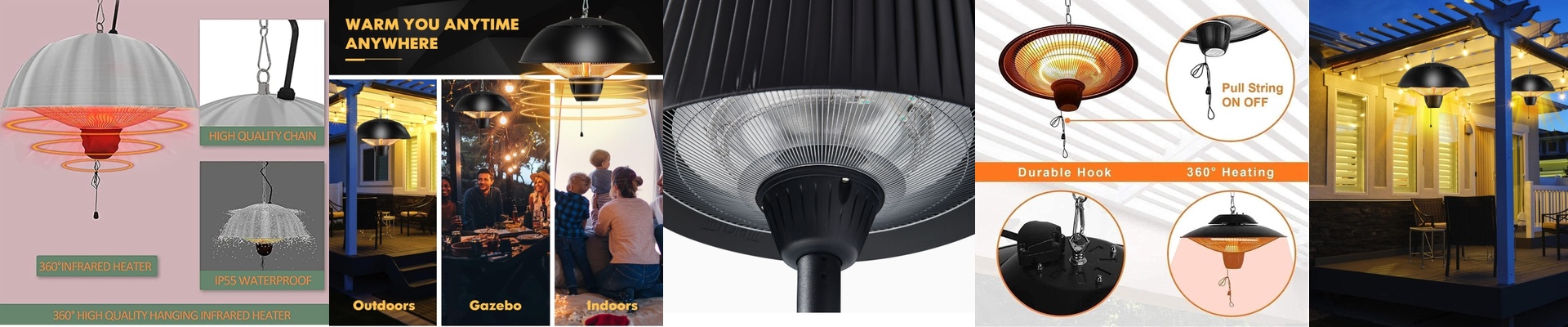
Most units fail at the connection points. It’s simple: water hits a live wire, you get a short circuit, and your breaker trips. Not a great way to start your morning. We used reinforced gaskets and a sealed housing to make sure the guts of the machine stay dry. By isolating the electrical junctions from the heating zone, you can put these in high-moisture areas without stressing about whether the unit is going to fry itself.
The Balancing Act
Here’s the tricky part. If you seal a heater too tightly to keep water out, you trap the heat inside. If the internals get too hot, the whole thing shuts down. To fix that, we used specific alloys for the housing that move heat away from the sensitive parts. You get the waterproof protection, but the chassis still “breathes” enough to stay cool. Just a heads-up: don’t cram these into a tiny ceiling void with zero air around them. If there’s no room for the heat to escape, the safety cutoff will kick in. Give it a little breathing room, and it’ll run perfectly.