
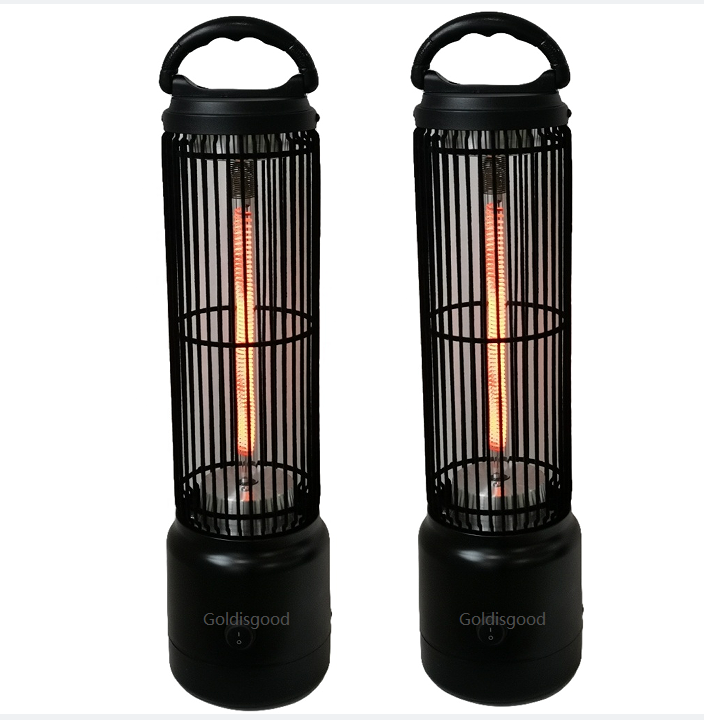
Getting Your Heating Back on Track: A Guide to IP65 Infrared Elements
When you’re trying to warm up a locker room or a damp changing area, you don’t have time to wait for the air to heat up. You need that instant, radiating warmth that hits you the second you step in. That’s why we use shortwave infrared. It ignores the air and goes straight for the surface. Because these things live in humid, high-traffic spots, we build our replacement elements to an IP65 standard. In plain English? They’re sealed tight. Dust stays out, and if some water splashes their way, the internal circuitry won’t short out and leave you in the cold. The power behind the heat To get that “instant” feel, we rely on high-wattage quartz tubes. Depending on what your building’s grid looks like, these usually run on 230V or 400V. Here’s the trick: higher voltage lets us keep the unit small while packing in more kilowatts. It’s the reason a freezing room can feel cozy in under ten seconds. But a word of caution—don’t just grab the highest wattage you can find. If the tube is too powerful for your specific housing, you’ll end up melting the reflector mounts. Always double-check your housing’s thermal rating before you swap them out. What’s inside the tube? We use a halogen-filled quartz envelope. The halogen does a lot of the heavy lifting here; it stops the tungsten filament from evaporating too fast, which means your lamp actually lasts. For the connections, most of our drop-ins use R7s or Sk15. We keep the fit tight to stop any arcing at the contact points. We even apply a special coating to the quartz. This shifts the energy so it focuses on the person’s skin rather than just heating up the floor. Pro tips for the install Swapping these is pretty straightforward. Pull the old tube, wipe away any carbon buildup on the contacts, and wire it up. But here is the part where people usually mess up: the seal. These elements get incredibly hot. If your gasket is worn out or loose, moisture can seep in and hit that hot quartz. That leads to a thermal shock fracture—basically, the glass cracks. Keep those seals tight, and you’re golden.