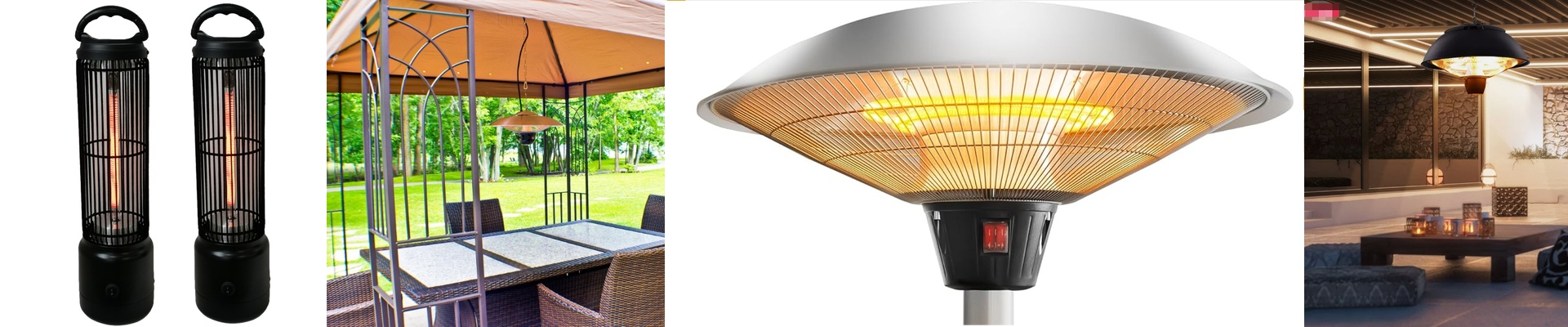
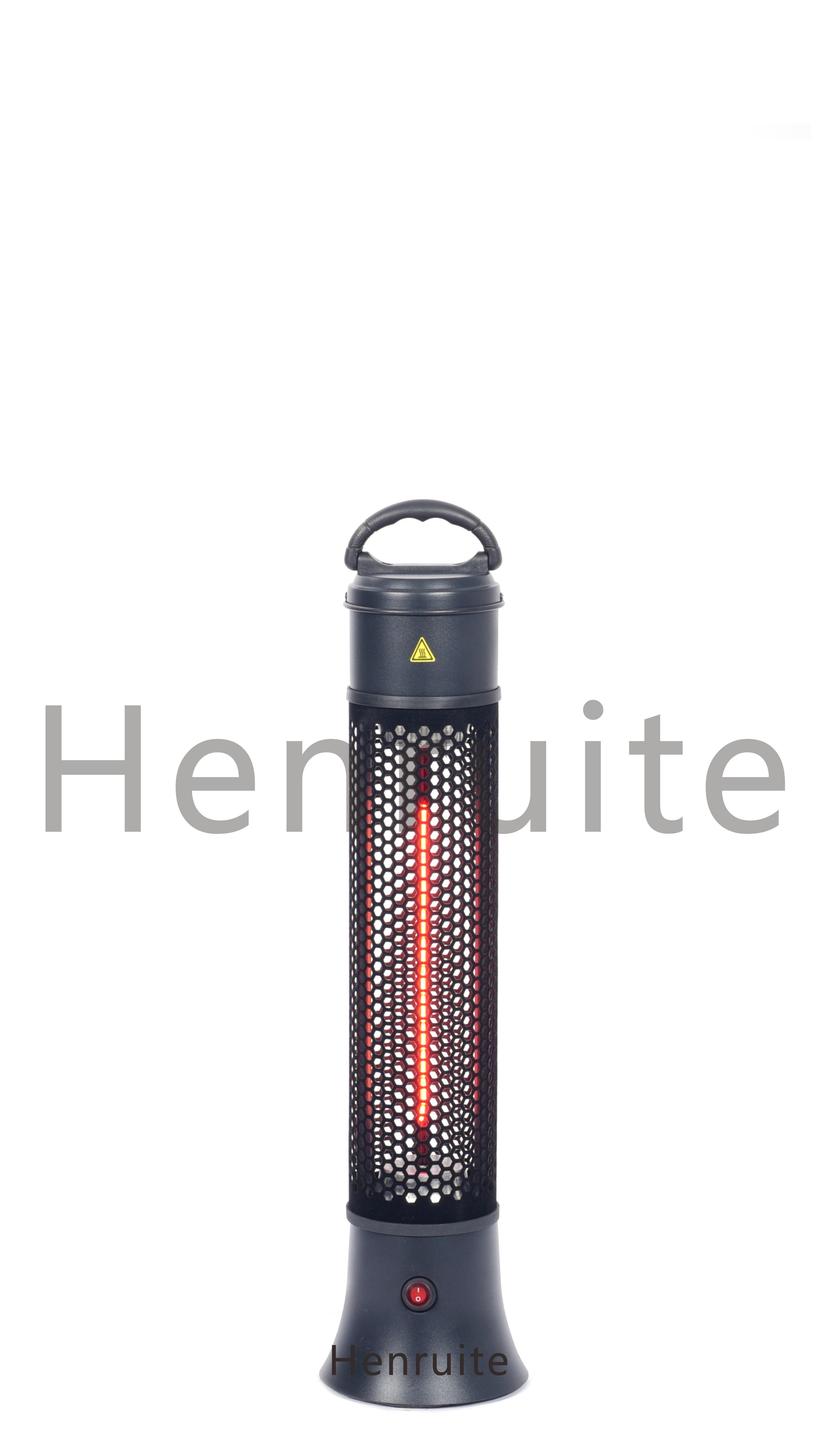
Why Your Outdoor Heater Actually Breaks (And How We Fix It)
If you’ve ever had an IP65 garden heater die on you, you probably thought the heating element just burned out. But honestly? That’s rarely the case. The real killer is the seal where the wire meets the tube. Think about it. These heaters go through a brutal cycle. They get scorching hot, then they cool down. Then it rains. Then they get hot again. That spot where the wire connects becomes a total heat soak.
The Problem With “Cheap” Seals
Most heaters use basic potting compounds. They’re fine for a while, but they can’t handle that constant expanding and shrinking. Eventually, they crack. It starts with a tiny micro-crack you can’t even see. But that’s all it takes. Moisture sneaks in, things start to carbonize, and—pop—you’ve got a short circuit. We do things differently. We ditched the basic silicone for high-temp fluorosilicone and ceramic resins. Why? Because they actually hold up when the temperature spikes. It stops the “breathing” effect, where a cooling heater basically acts like a vacuum and sucks humid air right into the guts of the machine.
Getting the Wiring Right
Then there’s the wire itself. If you use standard PVC, the insulation will shrink and peel off in a few hundred hours. It’s a nightmare. We use fiberglass-braided silicone wires instead. They don’t melt, even if they accidentally touch the hot chassis. Plus, we build the seal right into the terminal block. You get that water-tight barrier you need for an IP65 rating, but it doesn’t mess with the electrical connection. It just works.
One Small Catch
Here’s the thing: because we use higher-grade sealing, the wiring is a bit stiffer. You can’t just bend these leads into a sharp angle like you can with the cheap, soft-wire units. If you force a tight bend during installation, you might actually stress the seal and ruin the whole point. Just give the wires a little bit of slack. Your heater will thank you for it.