Stop Letting Moisture Kill Your Infrared Heaters
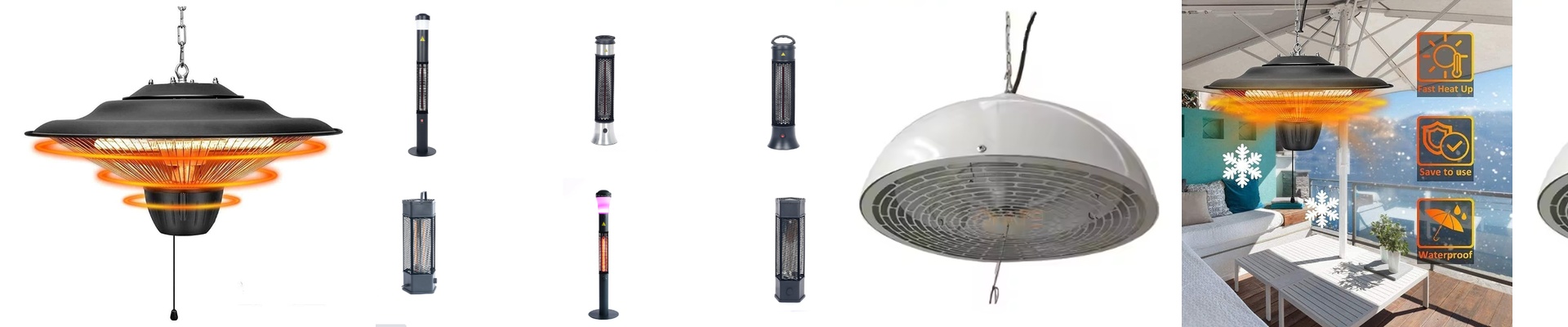
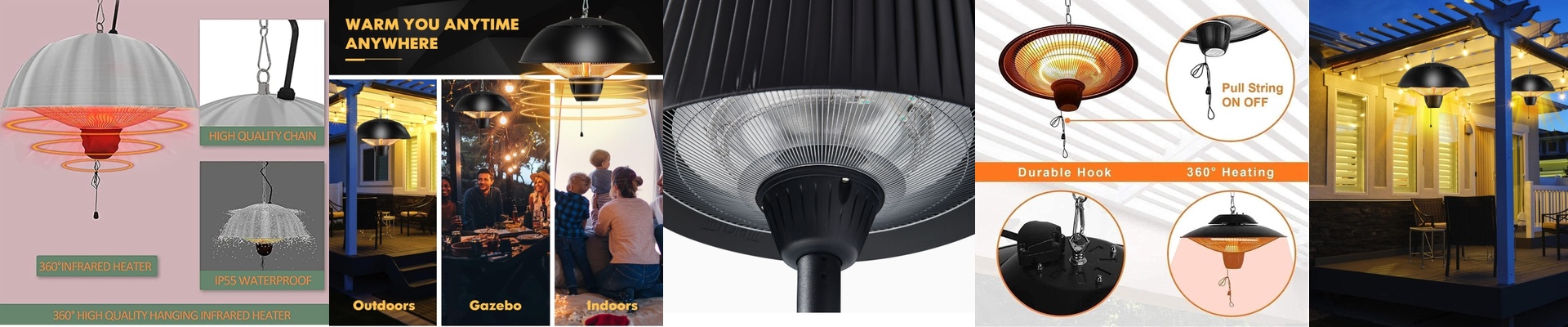
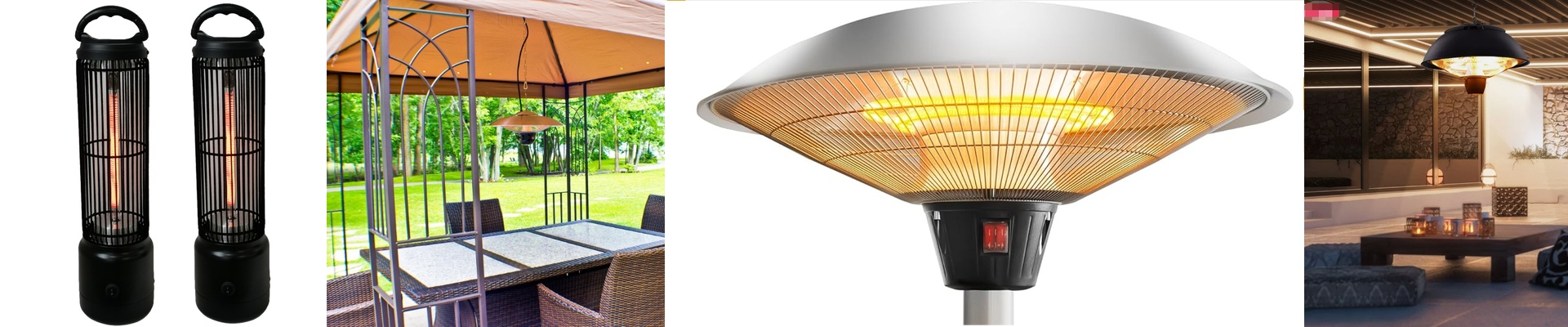
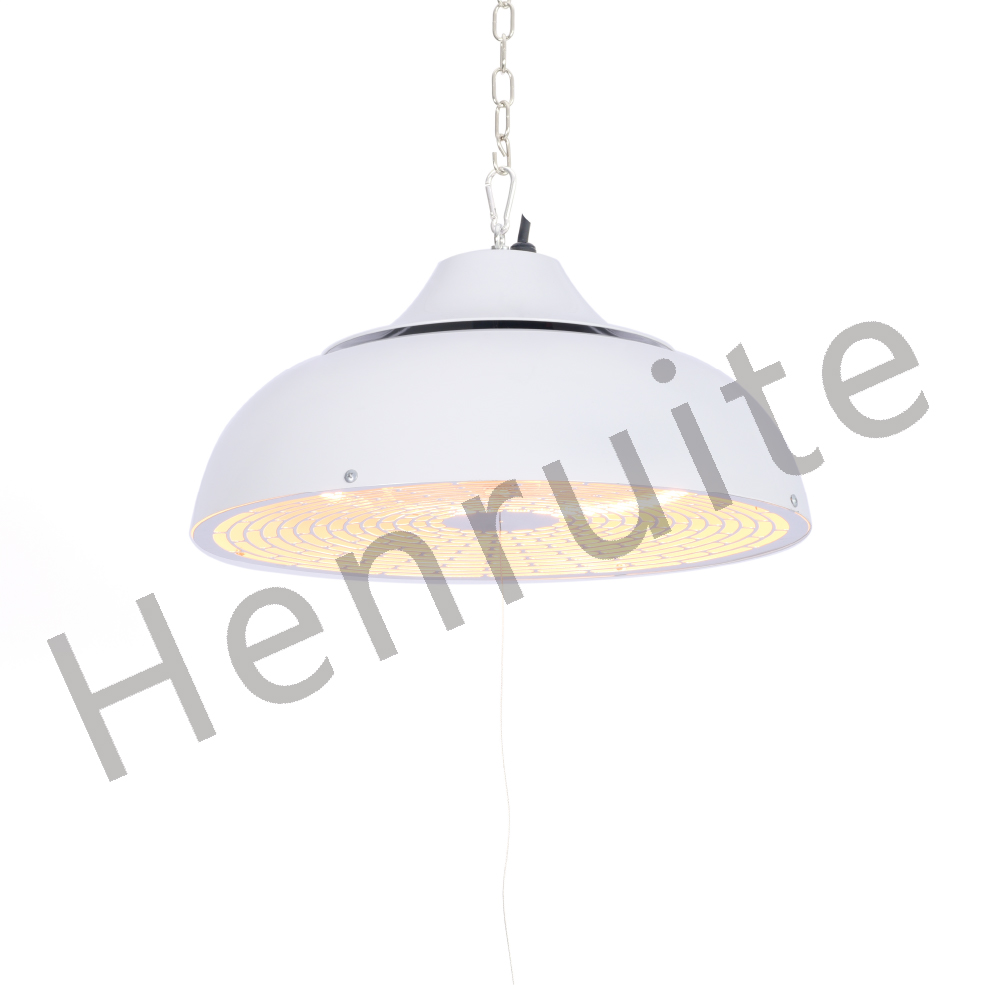
If you’ve ever run a shop or a warehouse, you know the deal: moisture is the enemy. Whether it’s a leaky pipe overhead, a humid morning, or just a random splash, water and electricity don’t mix. In most infrared heaters, a little bit of condensation is all it takes to trigger a short circuit or rust out the heating elements. It’s frustrating, and it’s expensive. That’s why we built our best-selling heaters with an IP44 rating. Basically, we wanted to stop those failures before they even happen. What does IP44 actually mean for you? In plain English, it means the heater is sealed up tight. It keeps out solid bits (anything larger than 1mm) and, more importantly, it handles water splashes coming from any direction. We did this by tightening up the electrical junctions and using gaskets that act like a shield, stopping moisture from sneaking into the wiring. But here’s the thing: fog and condensation are a different kind of headache. When a heater clicks on and off, the temperature swings. This creates dew inside the housing. If you don’t have a plan for that, water droplets settle right on the quartz tube or the reflectors. Then, when the heater kicks back on, those drops cause “thermal shock”—basically a tiny explosion of heat that cracks the glass. We fixed this with specialized venting and surface treatments so the water just… doesn’t pool. The balancing act Now, you can’t just wrap a heater in plastic and call it a day. If you seal it too tight, the heat has nowhere to go, and you’ll fry your own capacitors. We spent a lot of time finding the sweet spot between a waterproof seal and a way for the unit to breathe. Just a heads-up: make sure you give your heater some breathing room during installation. If you cram it into a dead-air corner, the internal temperature will climb, and you’ll shorten the life of the wiring. Less tinkering, more working The best part about a waterproof design? You stop spending your weekends tearing the thing apart. You won’t be replacing burnt-out elements every few months just because the shop got a bit damp. It turns the heater into a “set it and forget it” tool. For the engineers and owners, that means less downtime and way fewer headaches. Just wire it up, mount it, and let the IP44 shell handle the mess.