
Why You Should Ditch Those Old Bathroom Heat Lamps for IP65 Infrared
We’ve all been there. You step out of a steaming shower into a freezing room, flip the switch on those old-school heat lamps, and… nothing. Or maybe one of them flickers and dies. Here’s why that happens: those traditional “light-style” heaters just aren’t built for the steam. Moisture creeps into the housing, eats away at the contacts, and eventually kills the element. It’s a cycle that happens every couple of years, and honestly, it’s a pain. That’s why so many people are switching to IP65-rated infrared heaters.
What’s the deal with “IP65”?
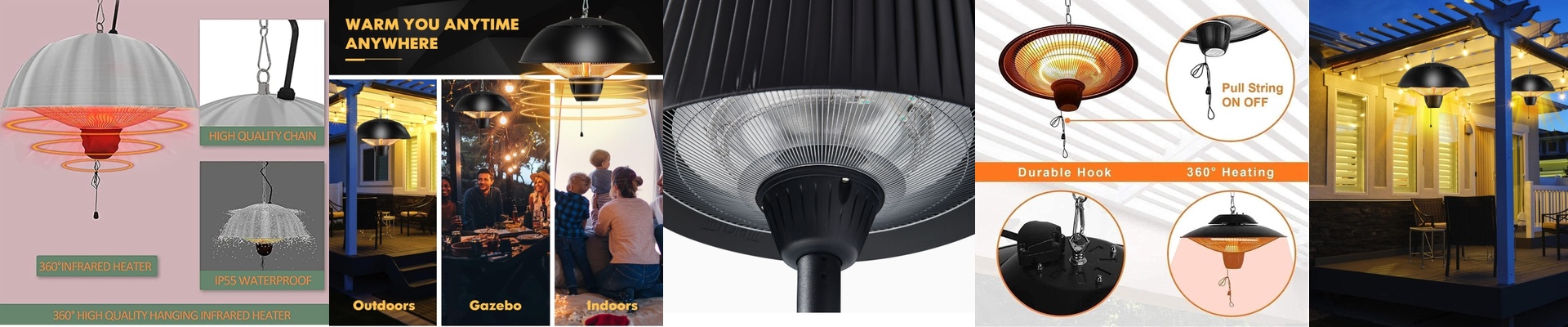
If you aren’t a tech geek, that sounds like a serial number. But in plain English, it just means the unit is sealed tight. Dust can’t get in, and water—even if it’s sprayed directly at it—stays out. In a bathroom, this is huge. Instead of steam drifting into the electrical bits and causing a short circuit, the heat mechanism sits behind a protective barrier. You get gaskets and a sealed chassis that actually keep the moisture where it belongs: in the air, not in your wiring.
Instant heat vs. waiting around
Most heaters try to warm up the air in the room. The problem? That takes forever. Infrared is different. It doesn’t bother with the air; it sends heat directly to your skin and the surfaces around you. It feels like stepping into a patch of sunlight on a cold day. You feel it the second you turn it on. Because we use short-wave infrared, the heat cuts right through the humidity without getting lost in the steam.
A few things to keep in mind
If you’re looking to swap these out, the good news is they’re usually designed to drop right into your existing ceiling fixtures. But a quick heads-up:check your power. These infrared arrays pull more juice than a couple of old lightbulbs. If you’re installing several 1500W units, make sure your wiring can actually handle the load. You don’t want to deal with voltage drops or tripped breakers. There is one trade-off, though. Since these are properly sealed to keep the water out, the housing is a bit bulkier than a simple socket. You’ll lose a tiny bit of ceiling headspace. But personally? I’ll take a slightly thicker fixture over a heater that corrodes and dies every two winters. It’s just a smarter way to build a bathroom.