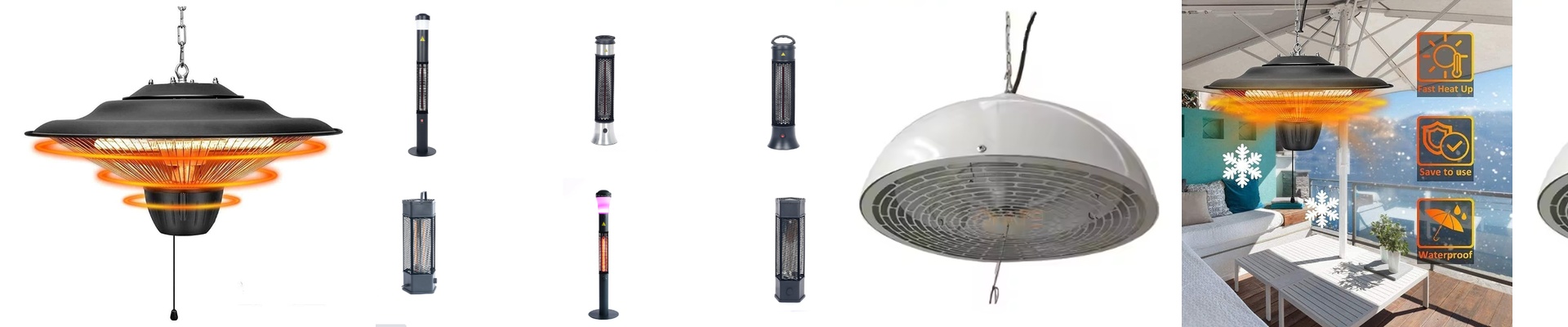
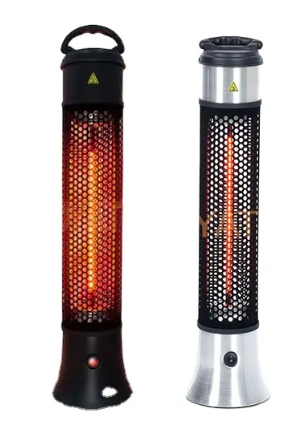
Why we stopped building “permanent” outdoor heaters
Let’s be honest: outdoor heaters live a rough life. Between the rain, the wind, and just general grime, they take a beating. When you see “IP65” on a spec sheet, it basically means the guts of the heater are safe from dust and water jets. That sounds great until something actually breaks. Most sealed units are a total nightmare to fix. Once a heating element burns out, you’re usually looking at a teardown that feels more like surgery than a simple repair.
Fixing the “Five-Year Headache”
We got tired of seeing heaters get tossed in the scrap heap just because one tube died after five years of heavy use. In a typical setup, replacing that tube means stripping the whole chassis and praying you can get the seal tight again. So, we changed the design. Instead of wiring everything in permanently, we made the heating element and its housing a single, drop-in module. Now, if a tube goes, you don’t rebuild the whole machine. You just pull the old module out, slide a new one in, lock it down, and you’re back in business. It takes minutes. No complex rewiring on a ladder. No stress.
The Trade-off (Because nothing is free)
Keeping that IP65 seal tight while making the unit easy to open is a tricky balance. We use compression gaskets and locking fasteners that can handle the constant heating and cooling without warping. But here’s the catch: it adds weight. A modular frame is heavier than a welded one because the mounting points have to be beefier to keep the seal waterproof after you’ve swapped parts a few times. It’s a bit more heft, but it’s a price worth paying for a heater that actually lasts.
What this means for the people running the show
If you’re managing a facility, you know that labor is where the real money disappears. You don’t want to pay a specialist to spend three hours on a ladder with a soldering iron. With these modules, a general maintenance person can handle the swap. You still get that intense shortwave heat, but without the long-term maintenance drama. Just a heads-up: since these units are a bit heavier, double-check that your mounting brackets are sturdy. You want the heat, not a sagging heater.