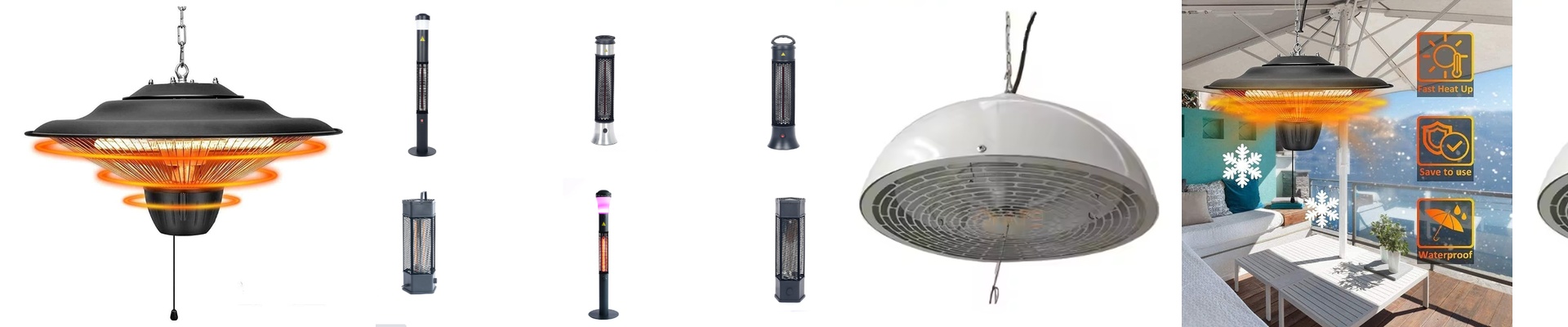
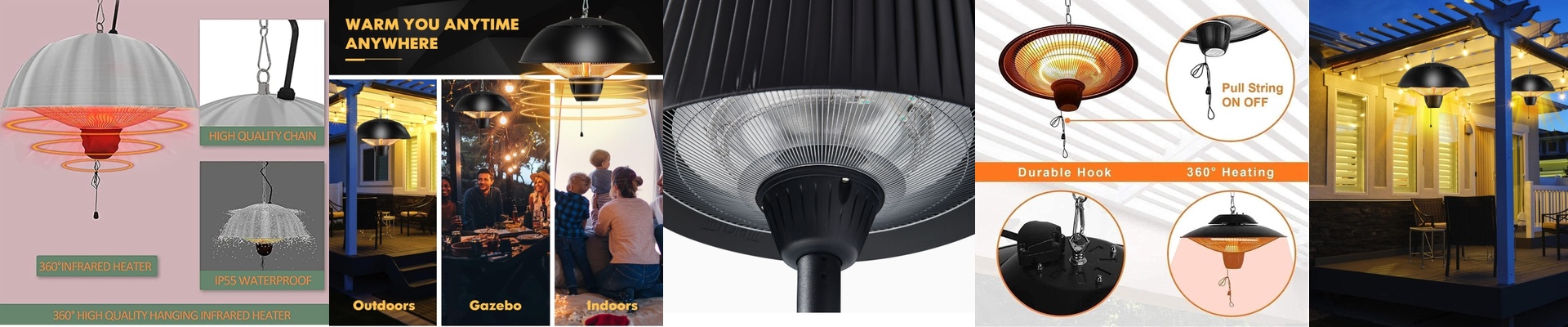
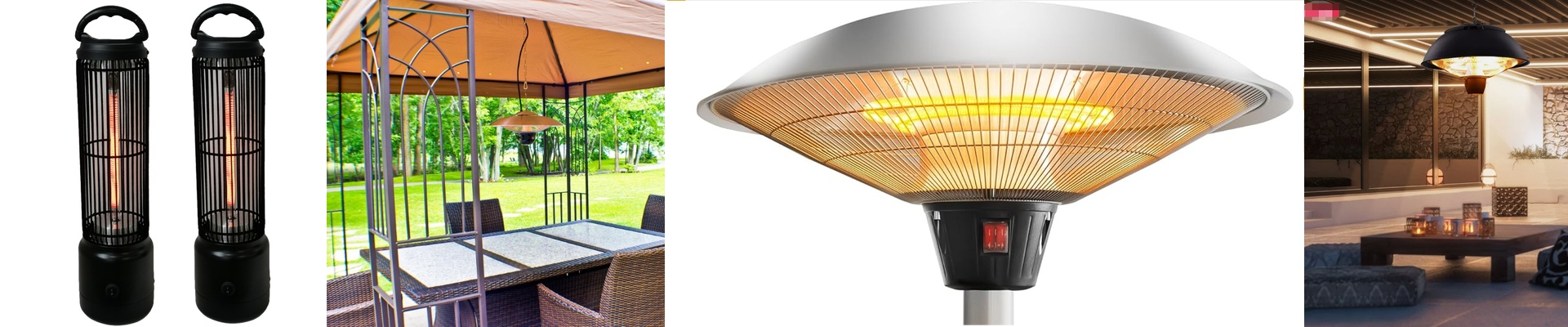
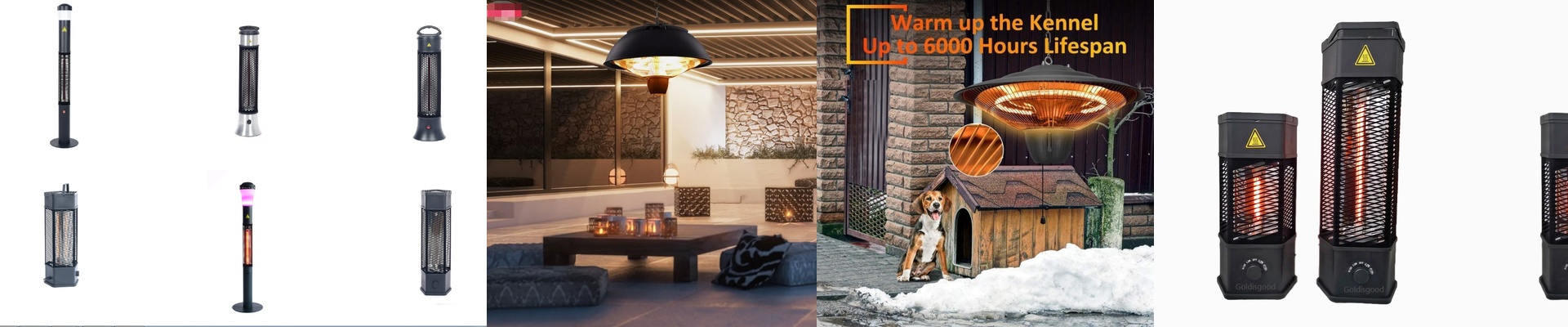
Why we put our infrared heaters through the “damp-heat” wringer
If you’re putting an infrared heater in a pergola or a bathroom, you’re basically dropping a piece of high-voltage electronics into a war zone of humidity and temperature swings. We don’t just cross our fingers and hope the seals hold. Instead, we take every batch and put them through “damp-heat aging tests.” It sounds fancy, but it’s basically just a torture chamber. We simulate years of steam and condensation in a few weeks to find out exactly where the unit breaks. Because we’d rather find the flaw in our lab than have you find it during a dinner party. The battle against moisture Here’s the thing: water and high-voltage heating elements are a terrible mix. When you’re outdoors, you’ve got rain, morning dew, and the air shifting from freezing to warm. If any of that moisture sneaks into the housing, it creates a path for electricity to leak. That’s how you get a short circuit or a burnt-out quartz tube. We blast these units in saturated air to make sure the gaskets stay tight, even as the metal expands and shrinks from the heat. The hidden wear and tear Heat is aggressive. When a heater jumps from 20°C to 600°C while sitting in a humid breeze, the metal and electrical contacts start to oxidize. It’s like a fast-forward version of rust. During our tests, we keep a close eye on the connection points. If the resistance starts to creep up, the terminals will overheat and actually melt the wiring. To stop that from happening in your backyard, we use a specific plating on the connectors that keeps the corrosion away. A quick word on installation Now, let’s be real—no seal lasts forever. Our tests prove the heaters can handle heavy steam and splashes, but the actual lifespan comes down to how they’re installed. If you go overboard and over-tighten the mounting brackets, you can actually warp the chassis. That breaks the seal. Stick to the torque specs. It sounds tedious, but it’s the only way to keep the unit watertight. We do the heavy lifting in the lab and provide the data so you can install these in your outdoor projects without worrying about tripping the breaker the first time a storm rolls in.