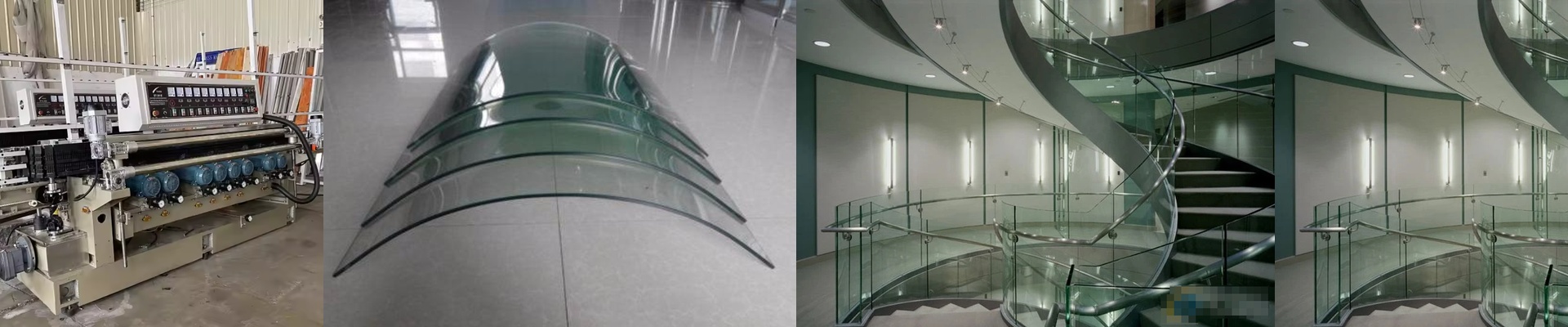
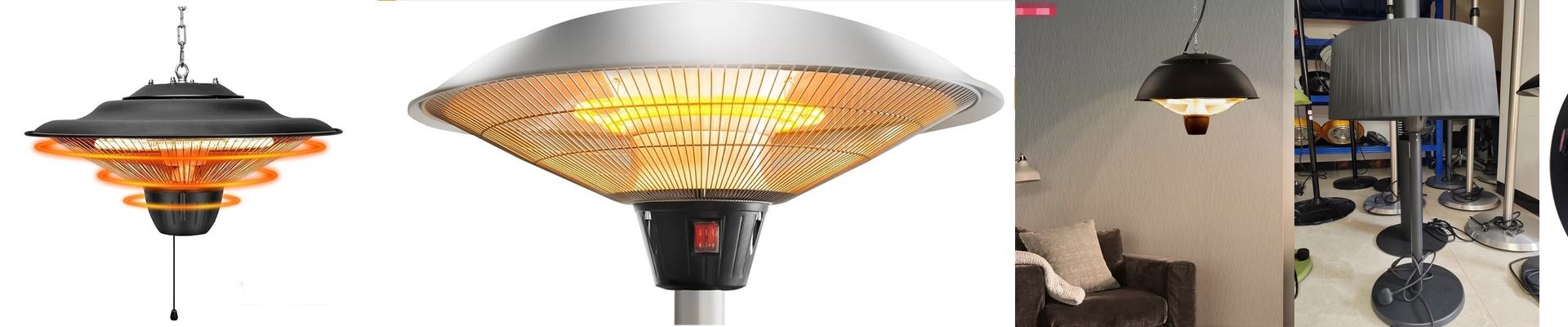
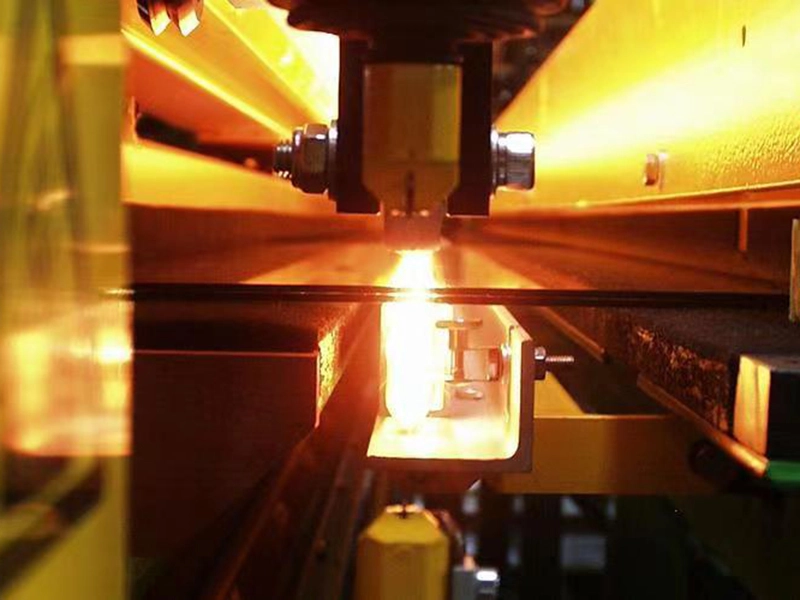
On the line, temperature isn’t a suggestion—it’s the process. In tempering, bending, and lamination, a 5°C drift can turn first-pass yield into scrap. The kiln heating elements sit dead center of that control. When they slip, you get uneven sag, optical distortion, and thermal stress fractures. We build our elements to take that uncertainty out of the equation. What matters, technically We spec quartz-based heating elements because they respond fast and hold stable emissivity cycle after cycle. We match short-wave and medium-wave configurations to the load and the kiln geometry so the thermal field stays even—fewer hot and cold spots that drive warp and stress. Power and voltage options run 240V to 480V, with lengths and diameters sized for common furnace zones. Terminals and ceramic insulators are built to take repeated ramp-up and cool-down without loosening or arcing. The payoff is repeatable heat, not guesswork. Why this plays where it matters In tempering, consistent heating keeps bow and warp within tolerance and supports steady quench pressure—yield goes up, rework goes down. In bending, controlled heat across the mold profile gives you predictable sag, cleaner radii, and fewer optical defects. In lamination and coating drying, uniform temperature shortens cycle time while keeping bubbles and haze out. Energy use drops because the elements hit setpoint quickly and hold it, cutting idle losses. On many lines, they drop in as a direct replacement for OEM modules, so downtime stays minimal. Here’s what to watch for Installation comes down to contact pressure and clearance. Misaligned terminals or undersized mounting pockets will invite hot spots and early failure. Match the element to the kiln’s thermal profile, not just the wattage. Make sure connections are clean and dry, then verify control calibration after the swap. Handle with care—quartz is tough, but it’s brittle. When it’s installed right, the elements deliver stable performance through thousands of cycles, keeping heat where it belongs: under control.