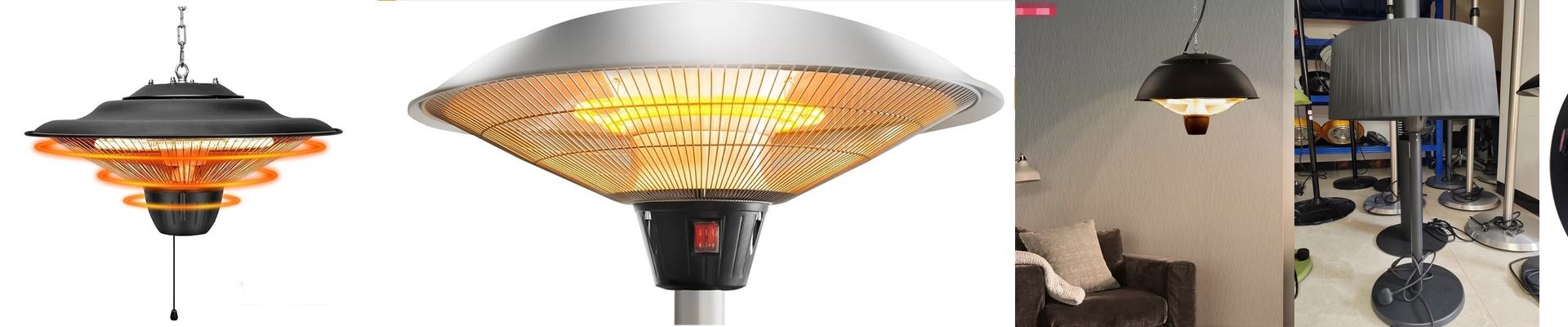
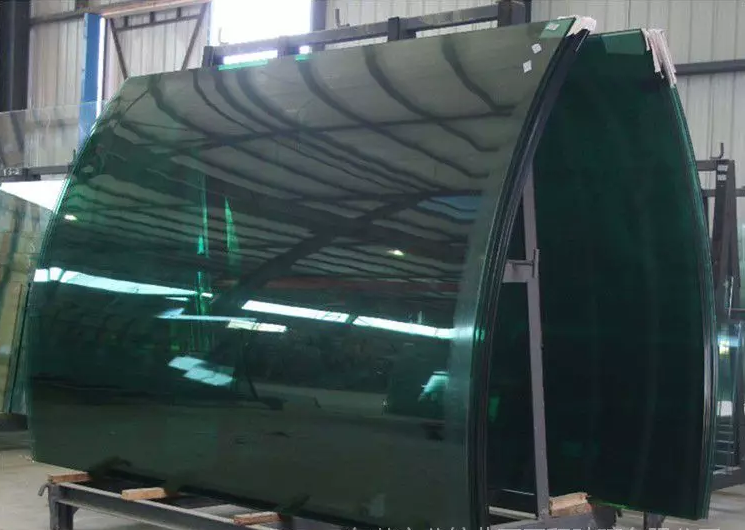
Why Your Lab Glass Keeps Breaking (and How to Stop It)
Ever had a piece of lab glassware just… shatter? It’s frustrating. Usually, it happens because the glass is fighting itself. If you heat it up too fast or let it cool down unevenly, you’re basically baking stress right into the walls. That’s why we lean on Single tube infrared lamps. They give us the kind of control we need to hit that sweet spot—the annealing point—without accidentally melting the whole thing into a puddle.
The Obsession with 0.1°C
You might wonder why we sweat the small stuff. But in this world, a single degree is a big deal. If the temperature swings even a little, you leave tension trapped in the glass. We keep our IR elements stable to within 0.1°C so the glass transitions through its critical temperature evenly. It stops that nightmare scenario where the outside skin cools and hardens while the core is still hot, which is exactly how you get those random, spontaneous stress-cracks.
The Gear That Actually Works
We use high-purity quartz envelopes because they let the IR light through without blocking it. But the real trick is the watt-density. You can’t just blast it with heat. If the energy is too concentrated, you’ll get hot spots and the glass will warp. It’s all about balance—matching the length of the lamp to the size of the vessel so the heat hits every angle perfectly.
Where Most People Mess Up
Here’s the thing: a great lamp is only half the battle. The real magic happens in the wiring. You can’t just plug these into a basic on-off switch and expect a miracle. You need a high-speed SCR to modulate the power. And be careful with the wattage. The more power you pump in, the more “thermal inertia” you’re dealing with. If your system overshoots the temperature, you need cooling fans that can actually keep up. If your fans are too weak, that 0.1°C precision is just a pipe dream.