Keeping Your Infrared Heaters Safe in Humid Spots
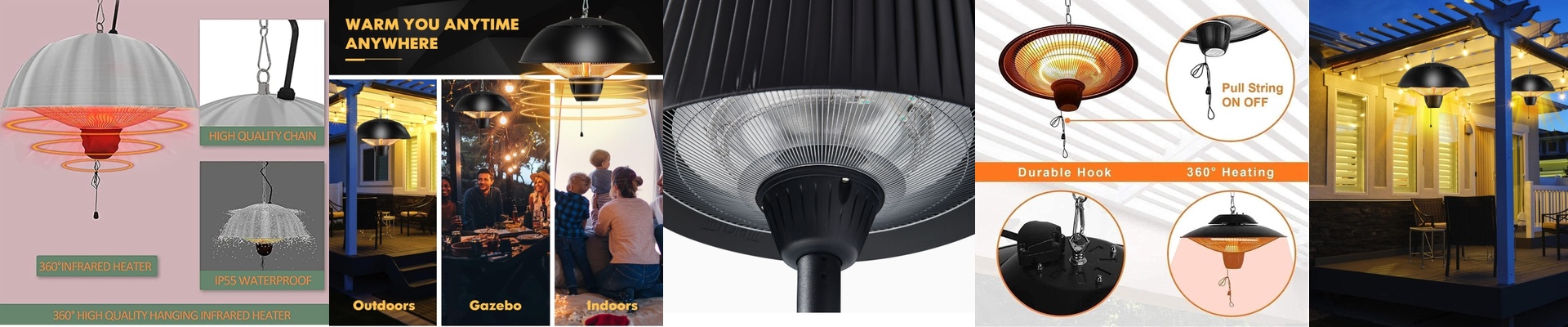
If you’re putting infrared heaters in a bathroom or under an outdoor pergola, you’re basically picking a fight with moisture. Steam and splashes love to find a way into your electronics, creating a little bridge for electricity to travel where it shouldn’t. When that happens, you’re looking at short circuits or ground faults. Not great. The secret to avoiding that is all about the barrier between the live current and the rest of the machine.
Dealing with the Damp
In a steamy bathroom, vapor doesn’t just sit there—it gets inside. That’s why we stick with IP65-rated housings. They keep the liquid water away from the terminals. But there’s a sneakier problem: “creepage.” It’s basically the shortest path electricity can take across a surface to jump from one part to another. To stop this, we use materials that are stubborn against electricity and leave a wider gap between the heating element and the metal frame. It stops the sparks before they even start.
Better Seals, Fewer Headaches
A plastic shell isn’t enough. We use silicone gaskets and heat-shrink tubing right where the wires meet the lamp to create a tight, airtight seal. And we don’t stop there. We use double-insulated cables. Think of it as a backup plan—if the outer layer gets nicked or worn down, the inner layer is still there to keep the current from leaking. One quick tip: avoid those standard push-fit terminals. In a humid room, they’ll corrode and quit on you in a few months. Go with moisture-resistant connectors instead.
The Catch: Heat vs. Air
Here’s the thing. When you seal a unit tight to keep water out, you’re also trapping the heat inside. The electronics can’t “breathe,” so they run hotter than they would in an open-air setting. If you use cheap wiring, that heat will eventually chew through the insulation and burn it out. To avoid a meltdown, make sure your wire gauge can handle those higher temperatures. Using PTFE or high-temp silicone wiring is the way to go. It’s a small detail, but it’s the difference between a heater that lasts for years and one that dies in a season.