Getting Glass Strength and Print Clarity Right with IR Annealing
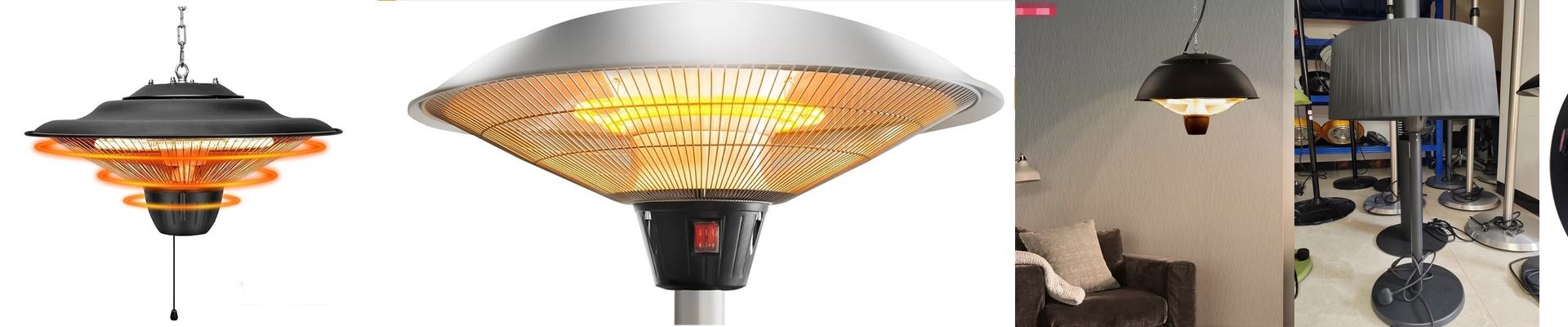
If you’ve ever worked with silkscreened glass, you know the struggle. It feels like a constant tug-of-war. You need enough heat to cure the ink and get rid of those internal stresses—the annealing part—but if you go too far, your pattern blurs or the glass starts to warp. It’s a delicate balance. That’s why we lean on short-wave infrared (IR) lamps. They just get into the glass faster than those old-school convection ovens.
Keeping the Lines Sharp
Nobody wants bleeding ink. To keep your patterns crisp, you can’t just slowly warm things up; you need a quick, precise hit of heat. Short-wave IR lamps have a ton of power density. They hit that curing temperature almost instantly. Think of it as a “flash” that locks the ink in place before it even has a chance to move. Once the ink is set, we worry about the glass itself. If you cool it down too fast or unevenly, you’re left with residual tension. That’s how you get glass that just… cracks. Out of nowhere. By tweaking the IR wavelength and the distance of the lamps, we make sure the heat sinks deep into the glass to relax everything out.
The Trade-offs
Now, it’s tempting to just throw the highest-wattage lamps you can find at the problem to speed things up. But there’s a catch. If you cram too many watts into a small space, you get hot spots. Those spots can scorch your ink or create new thermal stress in the glass. You have to find the sweet spot between the lamp’s power and how fast your conveyor is moving. And a quick tip: if you go with oversized lamps, make sure your fans and vents can actually handle the heat. If the tunnel gets too hot, your cooling rate drops, and you’ve basically wasted the whole annealing cycle.
Real-World Setup
When you’re actually wiring these into your line, stability is everything. You want steady voltage. If the power dips or flickers, your output drops, and your quality goes with it. We always suggest high-temperature quartz envelopes. They can take the constant heating and cooling without burning out. One last thing—keep your reflectors polished. It sounds like a small detail, but a dirty reflector can kill your efficiency by 20%. That forces you to run the lamps hotter, which just kills the bulbs faster. Keep them clean, and the system takes care of itself.