Introduction
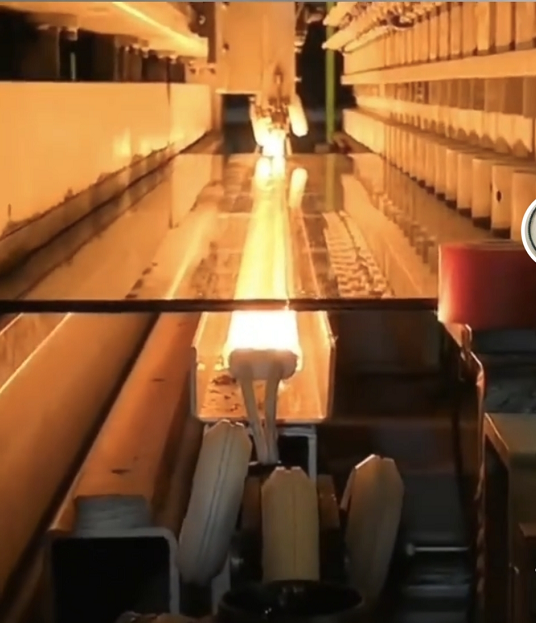
Let’s get real. If you’re running a glass finishing line, that annealing oven isn’t just another piece of equipment. It’s the bottleneck. The one thing that can make or break your whole operation. So we built our oven lamp with one thing in mind: speed. Pure, unapologetic thermal speed. Our infrared heating lamps throw down the kind of focused heat you need to anneal glass on the fly—without making your whole line grind to a halt.
Power, Voltage, and Geometry: The Nitty-Gritty
Here’s the thing—we don’t force your production to bend around our lamp. We build the lamp to fit your space, your setup, your workflow. That’s why we stick with a 400V input for industrial ovens. It keeps the current lower while delivering the same power, which means you get to use smaller wiring and avoid voltage drop over long runs. And the wattage? It’s dialed in for glass annealing. Enough punch to hit your target temperature fast, but not so much that you risk thermal shock. As for length, we match the lamp to the heated zone. If you need to cover 300mm, you get a 300mm tube. Simple. It drops right in, heats evenly, and keeps pace with your belt. Because on the line, the belt never waits. And if there’s a cold spot? You’ll see it as stress in the glass. No room for that.
Material & Design: What It’s Actually Made Of
Inside, you’ve got a quartz tube filled with halogen, built to throw shortwave infrared heat. The halogen keeps the filament stable, no matter how many times it heats up and cools down—which is exactly what happens in a nonstop production cycle. The quartz body does its job too, transmitting heat efficiently so the glass surface gets hot without turning the whole oven into a sauna. We also add a reflective coating to push energy forward where it matters, which means less wasted heat and less strain on nearby parts. And those connectors—R7s or Sk15—they’re not chosen by accident. They’re made for high heat, high current, and quick installs. They snap in, lock down, and hold their alignment so the lamp stays put, even when the oven is cycling hard.
On-the-Line Results: What It Feels Like to Use
On-line annealing comes down to two things: responding fast and staying steady. Our lamps jump to temperature quickly, then hold their line. That means your glass moves through a consistent thermal profile, every single time. The payoff? Better stress relief and far fewer rejects. Out on the floor, you’ll feel the practical perks too. The footprint is compact, so it fits into tight lines without a fight. And the build—robust end caps, solid quartz—handles conveyor vibration and round-the-clock thermal cycling without blinking. Now, a straight-up reality check: high heat density means you’ve got to plan your oven cooling and airflow. If the chamber runs too hot, components burn out faster. Get the heat removal right, and the lamp will keep delivering the uptime your line depends on.