
Stop Guessing With Your Glass Heating
Buying a heating lamp based on a datasheet is basically a gamble. I see it all the time. An engineer orders a high-wattage quartz tube because it fits the socket perfectly on paper. But then the line starts running, and the glass sheets are still hitting the forming stage with cold spots. It’s frustrating, and it kills your productivity.
Why “More Power” Isn’t the Answer
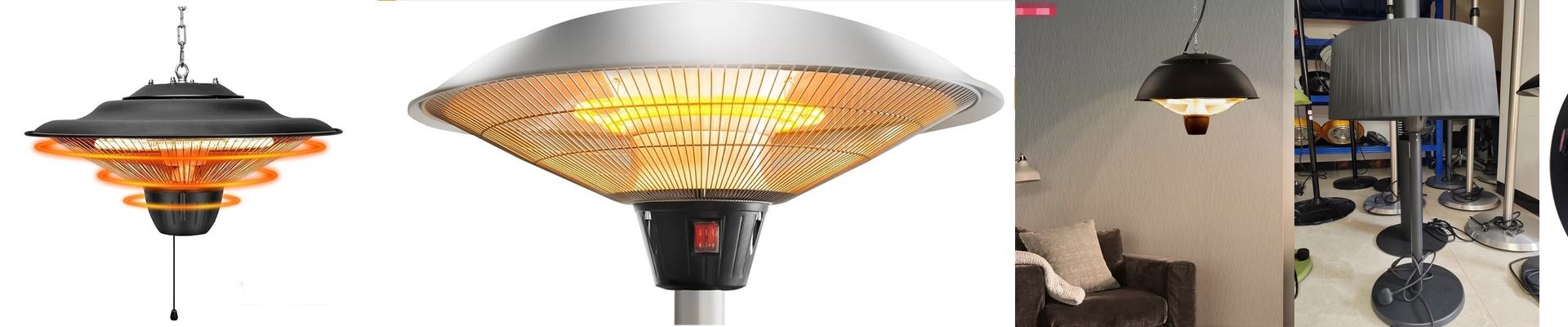
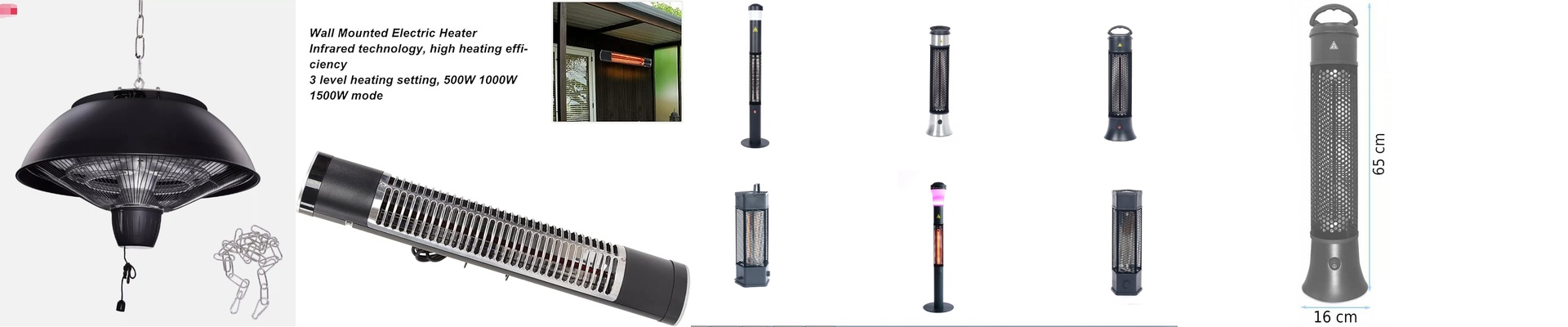
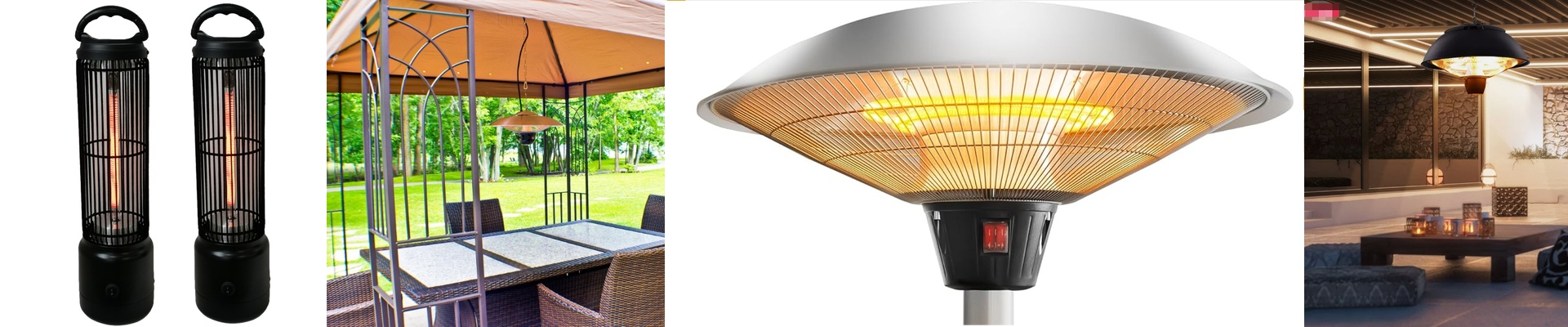
Here’s the thing about glass: it doesn’t like to move heat. If you just crank up the wattage, you’re likely to scorch the surface while the core stays freezing. That’s how you get internal stress and cracks. It’s a mess. That’s why we don’t just ship you a replacement bulb and call it a day. We want to see what’s actually happening with your heat flux. We look at how fast your conveyor is moving and the actual gap between the lamp and the glass. A shortwave halogen lamp hits hard and fast, but if your reflectors are pitted or just slightly crooked, that energy bounces right back into the machine frame. You end up frying your sockets instead of heating your product.
Real-World Shop Floor Stuff
We care about the variables that actually cause headaches during a Tuesday morning shift. Can your power supply handle the initial surge of a high-density array without tripping a breaker? What do the connectors look like? If you’re running R7s or Sk15 bases, we’re checking for that nasty carbon tracking and oxidation that creeps up over time. And then there’s the heat. High-output lamps get incredibly hot. If your cooling fans aren’t up to the task, your electronics will start to drift. It’s a simple trade-off: the more heat you pack in, the faster your lamps die if the housing can’t breathe.
A Better Way to Do This
Instead of guessing, our engineers come to your site to map out the thermal profile. We find the dead zones. We figure out the exact voltage, length, and coating you need for your specific glass thickness and line speed. You end up with a system that actually works, rather than just a part that happens to fit the hole.