Getting the Heat Right: The Truth About IR Reflectors
If you’ve ever used a standard, off-the-shelf reflector, you know the drill. You get these annoying “hot spots” and uneven heat zones that mess everything up. When you’re doing R&D on glass, those little glitches are a nightmare. They cause thermal stress, and before you know it, you’ve got a pile of failed samples. That’s why we obsess over the geometry of the aluminum. It’s all about controlling exactly where that IR radiation lands on your substrate.
Taming the Heat Flow
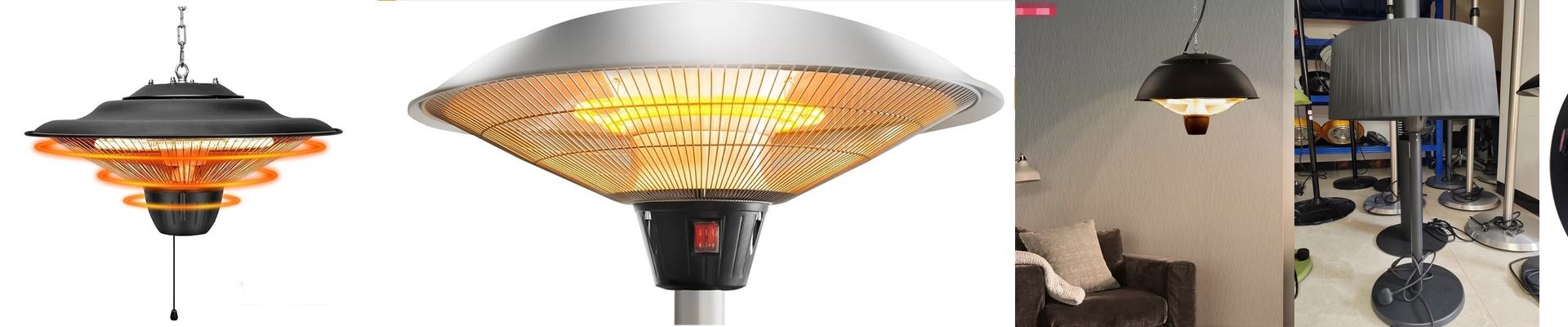
Customizing a reflector isn’t just about making it the right size. It’s more like sculpting. We tweak the parabolic or elliptical curves of the aluminum to move the power density around. Want the heat concentrated right in the center? We can do that. Need it spread out perfectly across a wide surface? Easy. The best part is that you can dial in the exact thermal profile you need for a new glass composition without having to mess with your lamp wattage.
The Reality of Aluminum
We stick with high-purity aluminum because it reflects well and handles heat like a champ. But let’s be honest: it isn’t perfect. Over time, the metal oxidizes. This creates a thin layer that slowly eats away at the reflective efficiency. It’s not a deal-breaker, but you’ll want to keep it in mind when you’re planning your long-term heating cycles. Just account for that slight dip in output.
Making it Work in the Lab
In a research setting, you need room to breathe. If you’re testing a new glass alloy, being stuck with a fixed heat pattern is a total bottleneck. We design our reflectors to match the specific wavelength of your lamp—whether you’re running shortwave or medium-wave. This ensures the energy actually sinks into the material instead of just bouncing off the surface. It basically gives you a way to isolate your variables. You keep the power input steady, swap the reflector geometry, and suddenly you know the exact thermal threshold of your material. One quick tip: make sure your housing is vented. These high-density reflectors don’t just concentrate heat on the part; they get the edges of the reflector pretty hot, too.