The Secret to Glass That Doesn’t Shatter
If you’ve ever spent hours on a piece of jewelry or a lab-grade glass container only to have it crack for no apparent reason, you know the frustration. It’s heartbreaking. Usually, it comes down to a fraction of a degree. That’s where the annealing point comes in. It’s that sweet spot where you can let go of all the internal stress in the glass without the whole thing losing its shape and turning into a puddle.
Why 0.1°C is a Big Deal
Here’s the thing: glass doesn’t heat or cool evenly. The thick parts and the thin parts are always fighting each other. If your heater swings by even a few degrees, you’re creating a thermal gradient. That’s just a fancy way of saying you’re locking in tension. The piece might look fine when it leaves the oven, but the second it hits a chemical solvent in the lab or just cools down on a shelf?Snap. We aim for 0.1°C precision. Why? Because we want the heat to soak into the glass perfectly. It gives the material enough time to just… relax.
The Magic of Infrared
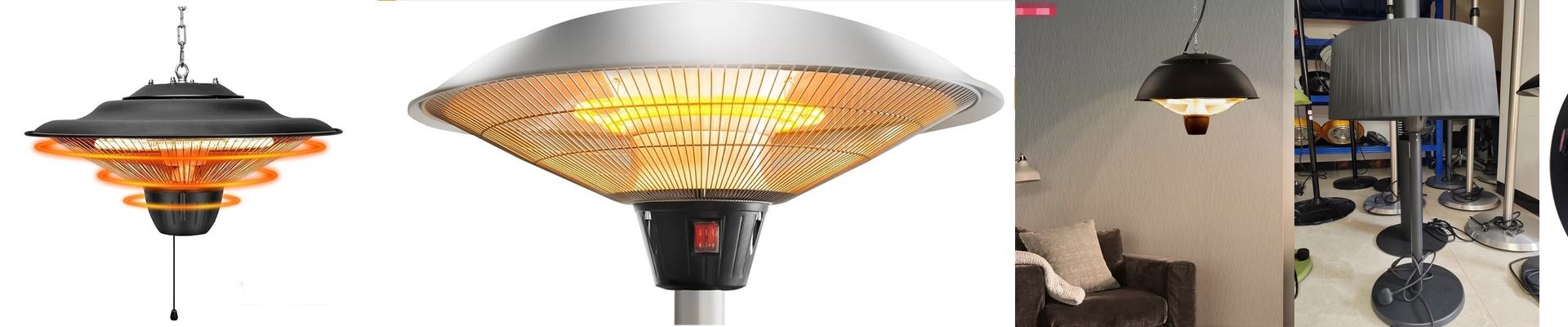
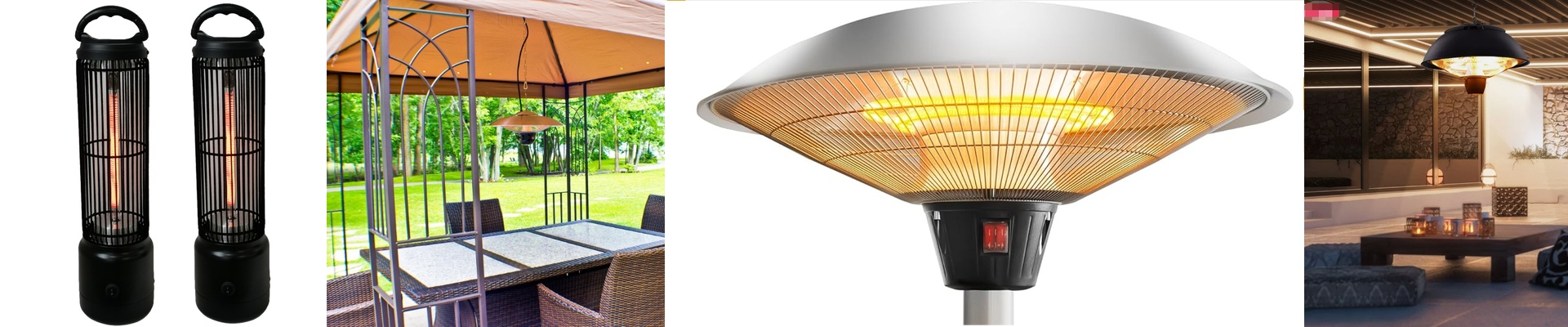
We use shortwave infrared lamps. They’re different from those big convection ovens that just blow hot air around. These lamps shoot energy straight into the glass. It’s fast. Really fast. And that’s a lifesaver when you’re working with tiny, jewelry-scale parts where you don’t have room for a massive setup. But you can’t just plug them in and walk away. We pair them with PID controllers and thermocouples that react in a heartbeat. If the lamp overshoots the temperature by even a tiny bit, your glass starts to “slump.” Once it starts sagging, there’s no going back.
The “Gotcha” in the Setup
Now, this isn’t exactly plug-and-play. To actually keep that 0.1°C stability, your power has to be clean. If you’ve got heavy machinery running on the same shop floor, those voltage ripples can make your lamps flicker. That flicker leads to temperature swings, and we’re right back to the “shattering” problem. You’ll want to isolate your power or grab a dedicated stabilizer. It keeps the heat flat, steady, and predictable. Which is exactly how you want it.