Dealing with Tight Spaces in Borosilicate Glass Bending
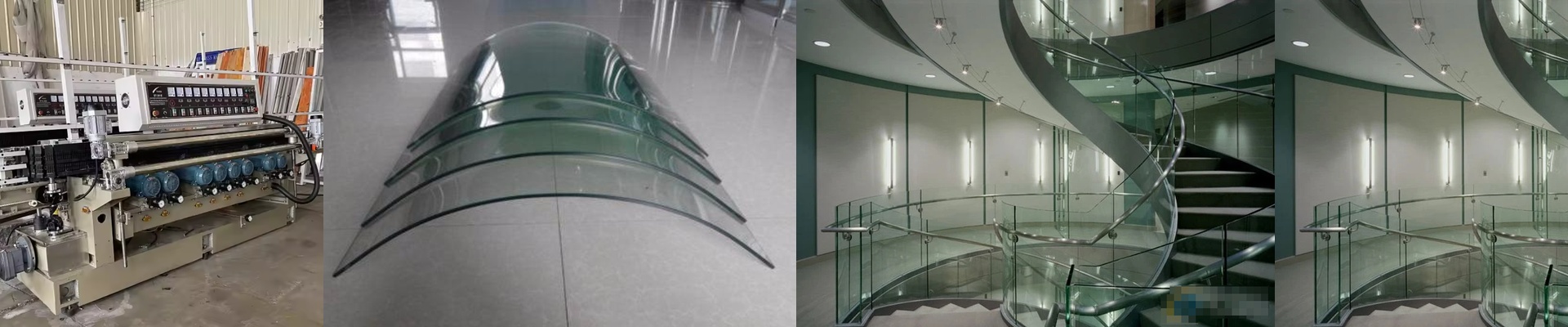
Let’s be honest: standard infrared lamps are a pain when you’re working with a non-standard furnace. Usually, the biggest headache is just… space. When your furnace footprint is tiny, you can’t just jam a stock lamp into a cramped chassis and hope for the best. If the fit is off, your heat distribution will be off. It’s that simple. We fix this by building quartz heating elements to the exact length and shape of your specific setup. Getting the dimensions right In the world of borosilicate glass, if the temperature isn’t uniform, you’re in trouble. If your lamp is even a little too short for the heating zone, you get cold spots. And cold spots lead to stress fractures. Nobody wants a shattered piece of glass after all that work. We build our lamps down to the millimeter. This lets you tuck the elements closer to the workpiece without worrying about short circuits or accidentally baking your furnace walls. The gear and the heat We use high-purity quartz tubes because they can actually handle the brutal heat needed to soften borosilicate. These lamps push out short-wave radiation that sinks into the glass fast. It means you aren’t sitting around waiting for things to warm up. You get a much faster ramp-up. Plus, we can do custom shapes—curved or specific linear lengths—so the heat hits the glass at just the right angle. This is a huge win because it means you can ditch those bulky reflectors that usually eat up all your precious room. The tricky part: Integration Here’s the thing: custom lamps need a perfect match with your power supply. If you pack a high-density array into a small box, you’re putting a massive load on your controllers. You’ll need to make sure your transformers and cooling fans are up to the task. If you cram too many lamps in there without enough airflow, you’re going to trip your breakers or, worse, melt your wiring. To keep that from happening, we give you the exact wattage-per-centimeter data. That way, you can balance the thermal load on paper before you ever plug anything in.