Why Your Glass Keeps Cracking During Annealing
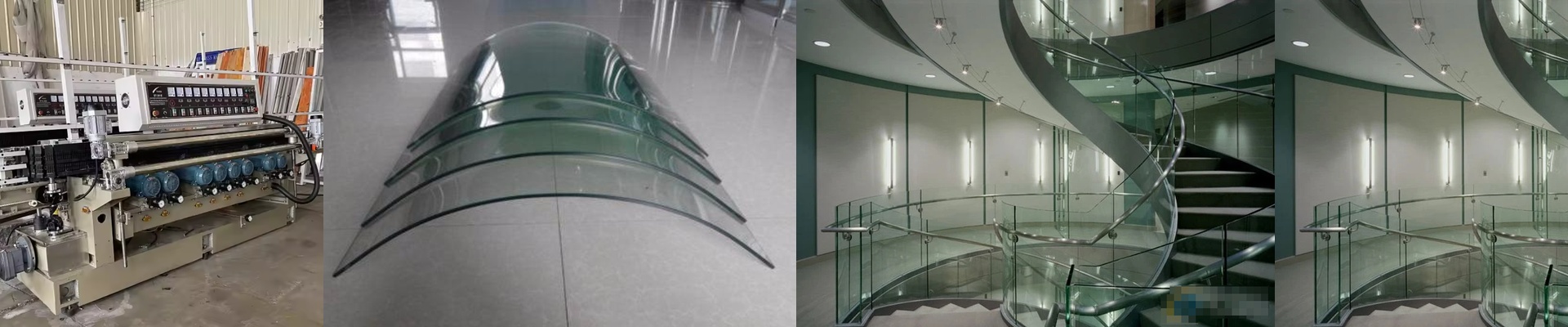
Ever had a piece of glass just… snap? It’s heartbreaking. You’ve put in the work, but because the inside and outside didn’t cool down at the same pace, the material basically fought itself. That internal tension builds up until the glass gives in. One tiny crack and your whole piece is headed for the scrap bin. To stop that from happening, you need a deep, steady soak of heat.
The Trick with Infrared Heat
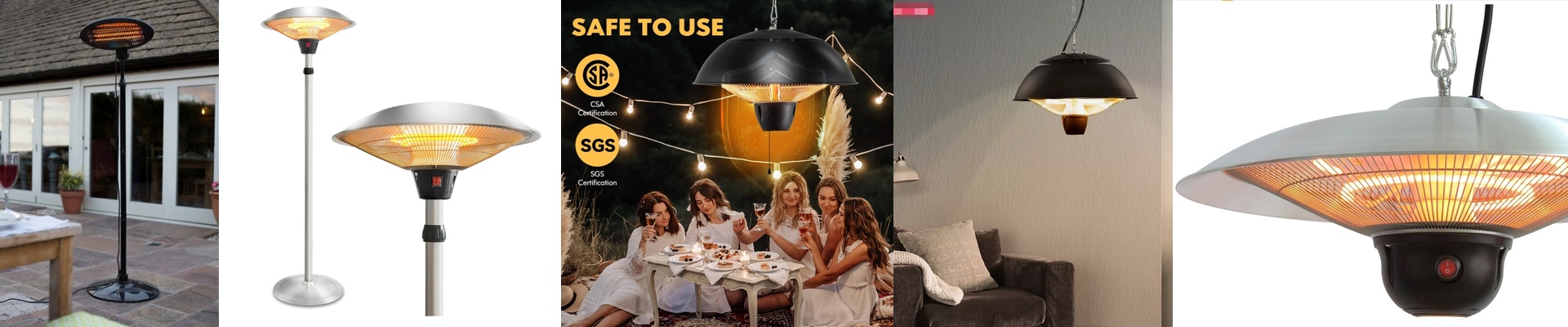
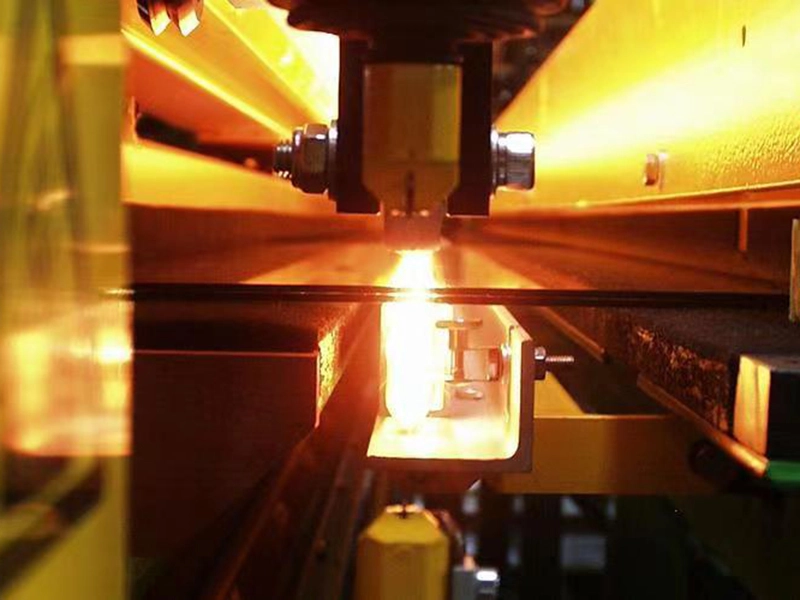
We use shortwave infrared lamps because they don’t just warm the air—they push heat deep into the glass itself. It’s much more direct than just blowing hot air around. But here’s the catch: too much of a good thing is a bad thing. If your lamps are too powerful or sitting too close to the glass, you get “hot spots.” Those sudden spikes in temperature cause the glass to expand unevenly. Suddenly, you’ve created the exact same thermal stress you were trying to get rid of in the first place.
The Headache of Voltage and Global Power
I’ve seen so many engineers run into a wall when moving gear across borders. It’s a nightmare. If you take a lamp built for 110V and plug it into a 480V or 575V industrial line, it’ll blow out in a heartbeat. That’s why we build our lamps to match your specific grid. Whether you’re running a small lab on 110V or a massive plant in Canada on 575V, the wattage has to stay steady. If the voltage dips, your soak takes forever. If it spikes, you’ll fry the filament. We customize the winding so the heat stays consistent, no matter where in the world your plug is.
Power vs. Control: Finding the Balance
Sure, high-voltage, high-wattage tubes are fast. They cut down your cycle times, which is great for the bottom line. But they’re demanding. They put a lot of pressure on your power supplies and your cooling fans. If you go with a high-density array, you’ve got to make sure your control system can actually throttle the power. Running at 100% all the time is a great way to crack your glass. You need a ramp-down profile that feels like a slow, gentle cool. That’s how you get a piece that actually lasts.