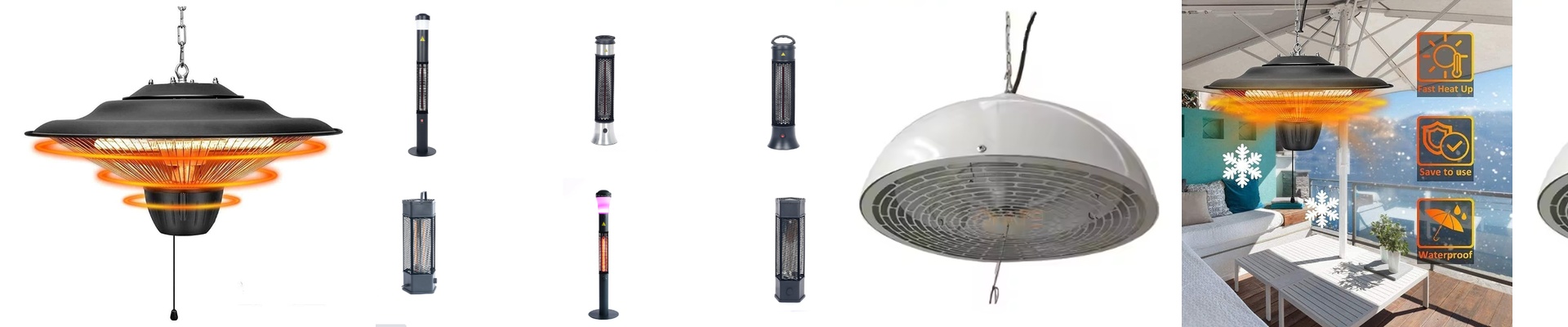
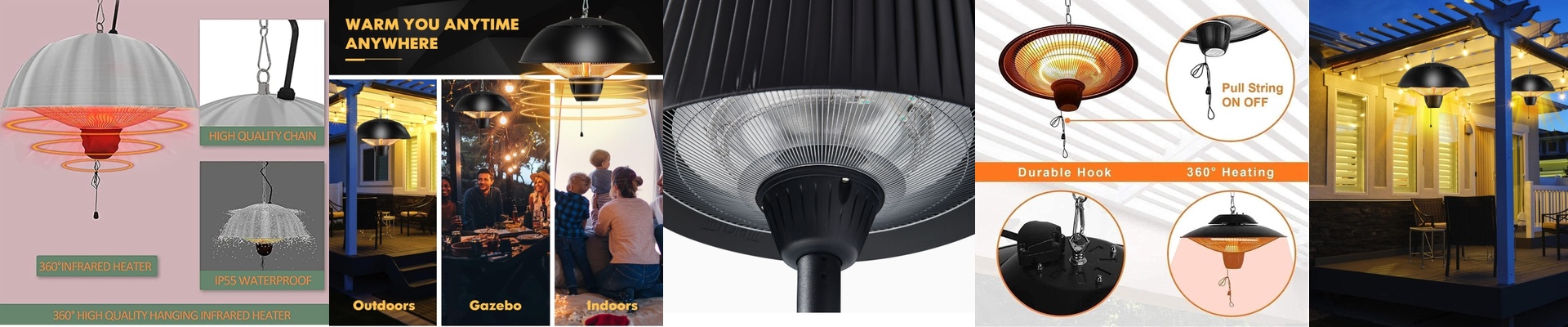
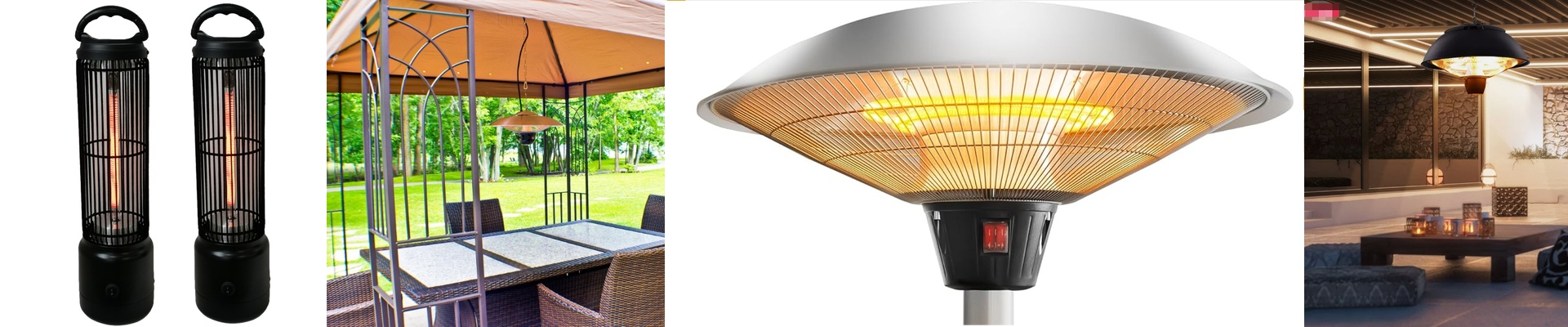
Why we put our IP55 heaters through the ringer
Let’s be honest: bathrooms are a nightmare for electronics. You’ve got steam everywhere, wild temperature swings, and the occasional splash of water. It’s a recipe for disaster. If a seal gives way for even a second, the whole unit can short out or just burn through. That’s why we don’t just check a box for an IP55 certification and call it a day. We put every single batch through some pretty brutal damp-heat aging tests.
The reality of the “Waterproof” label
When you see IP55, it basically means the unit can handle dust and low-pressure water jets hitting it from any angle. To make that actually work in a real bathroom, we use precision-molded gaskets and seals that hate water. But here’s the thing: seals can be tricky. We cycle our heaters through extreme heat and humidity to force the casing to expand and shrink. It’s like a stress test for the hardware. If there’s even a microscopic gap, moisture creeps in, hits the high-voltage parts, and—boom—failure. We’d rather find that out in our lab than have it happen in your house.
Dealing with the “Sweat”
Infrared lamps get incredibly hot. When you wrap that heat inside a waterproof shell, you’re essentially creating a pressure cooker. You have scorching components on the inside and cold, damp air on the outside. This creates a “sweating” effect—condensation—inside the housing. If the venting isn’t exactly right, the unit basically breathes in its own moisture. We run our aging tests to make sure the internal wiring can take that beating without the insulation cracking or the metal parts rusting away.
The balancing act
There is a trade-off here. To keep the water out, you have to seal the unit tight. But tight seals mean less airflow. Because of this, the internal drivers and wires run hotter than they would in a cheap, non-waterproof heater. You get the safety of the IP55 rating, but you lose some of that natural cooling. To fix this, we use high-temp wiring and beefy heat sinks. We made a conscious choice: we’re okay with the internals running a bit warmer if it means you never have to worry about a short circuit while you’re stepping out of the shower.