Introduction
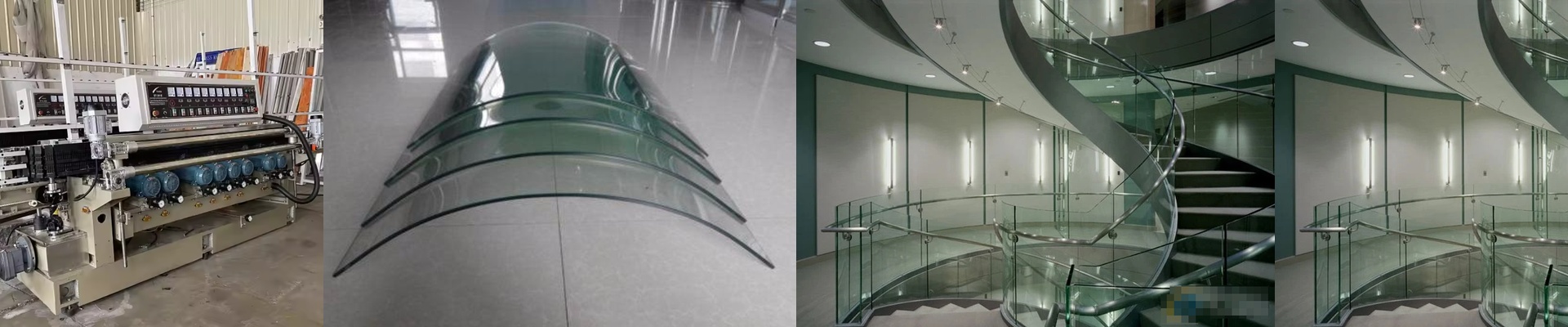
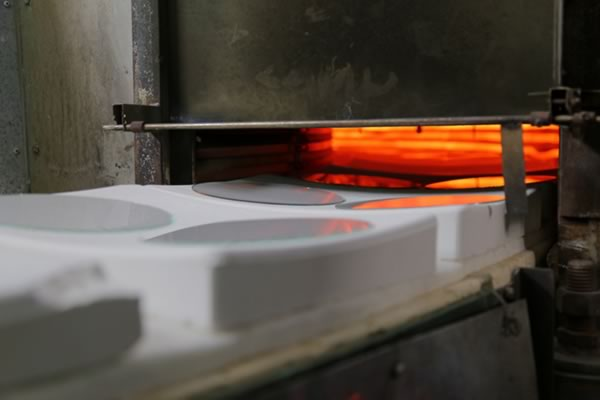
Ever notice those annoying streaks on a glass mirror coating? Usually, that’s just uneven heat messing with the finish. So we built something to fix that: a shortwave infrared glass paint dryer. It’s all about giving you heat that’s even, controllable, and fast. No more hot spots. No more cold zones. If your line needs a finish you can actually count on, this is the heat source you want in the mix.
Power, Voltage, and Geometry—Kept Real
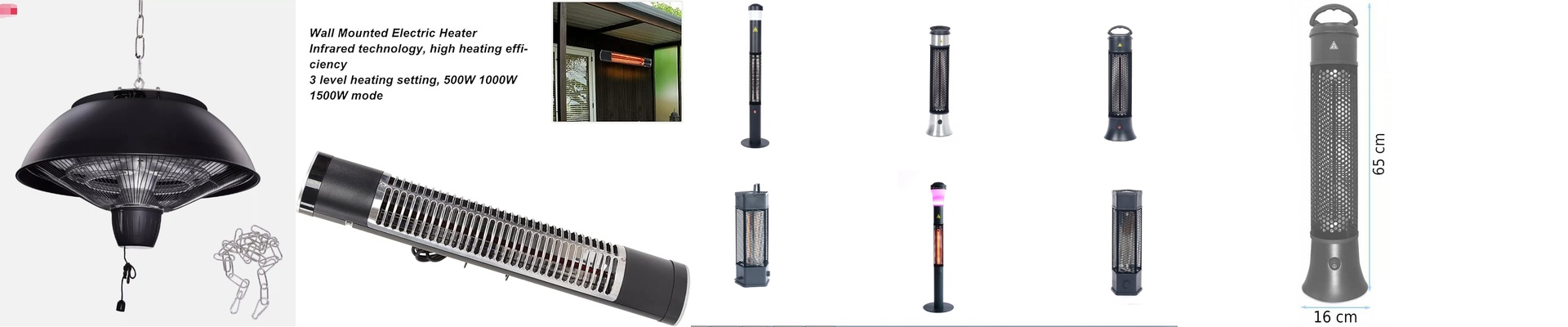
At the heart of it is a shortwave infrared quartz tube, designed to get hot fast and hold steady. The shape is matched to the typical coating width, so the heat lands where you need it—and doesn’t spill over the edges. Voltage is picked to play nice with standard plant power. That keeps the current manageable for the control cabinet, so you can run multiple units without rewiring the whole line. Wattage is sized to cure the coating in one clean pass. Not two. Not a slow creep that eats up time. Here’s the simple truth: more watts per unit area means faster curing. But that also means your machine has to handle the heat load. Plan your cooling and airflow accordingly.
What It’s Made Of: Quartz, Coating, and the Right Connectors
Shortwave infrared works because the filament runs extremely hot, and the quartz envelope delivers that energy cleanly. We use high-purity quartz to keep output stable and to handle fast on/off cycles without cracking under thermal shock. Inside, a special reflector coating pushes more energy forward. Less waste. Better uniformity. It’s the difference between a wide glow and a focused heat field that does the job. For installation, the connector is built for the real world: it takes high temperature, stays tight even with vibration, and makes replacement quick. No wrestling with fragile terminals. Wire it up, align it, and run.
What It Actually Does for You: Clean Glass, Less Frustration
On glass mirror coating lines, uneven curing shows up as streaks and inconsistent adhesion. This dryer smooths all that out with a uniform heat field—repeatable temperature across the full width. You get faster line speeds because the coating cures quickly. And you get fewer rejects because the heat stays stable. It also fits in easily—mount it, connect it, and dial in the controls. Now, a heads-up: high heat density means you need proper cooling and shielding. Size your exhaust and guarding to match the output. When you do, the dryer keeps running, and the glass comes out flat, clear, and consistent.