Introduction
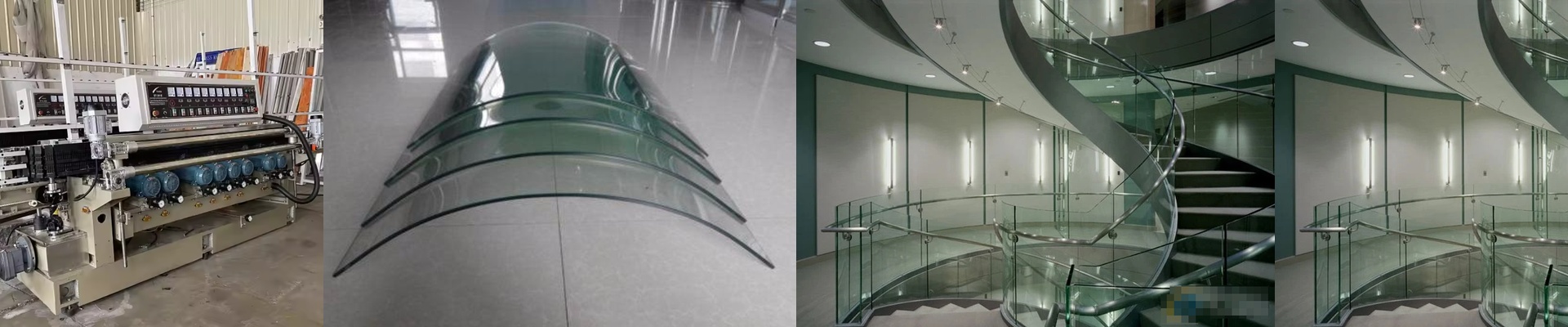
Picture this: your glass processing line is moving, and it never stops. Not even for a second. In that kind of environment, you need heat that’s just as relentless. Heat that kicks on instantly, then shuts off just as fast. Heat that keeps perfect pace with the glass, all while fitting into the space you already have. That’s exactly what our infrared halogen lamps are built for. They live on the production floor, running day in and day out, and they don’t miss a beat.
The Nitty-Gritty: Power, Voltage, and Size
Let’s get into the details, because that’s where the magic happens. We’re talking about a high-wattage, shortwave infrared halogen lamp. The standard setup is around 2500W, and we run it on 400V. Why that voltage? It keeps the current down, which means less voltage drop and less energy wasted in the wiring, even on long runs. The tube itself is compact, often around 300mm long. That gives you a huge amount of heat in a small space. So you can pack multiple heating zones right where you need them, without having to redesign your whole line. And the response? It’s fast. Really fast. Because the filament and the quartz envelope heat up directly, there’s almost no thermal mass to fight against. You get full power in seconds, and you can adjust it on the fly to match changes in glass thickness. Now, a heads-up: packing that much power into a small tube creates a lot of heat. That means the fixture and the electronics around it have to be built to handle it. Proper cooling and clearances aren’t just a good idea—they’re non-negotiable.
What’s Inside: Halogen, Quartz, and the Right Connection
We use a halogen cycle inside a quartz envelope. That halogen chemistry is the secret sauce that keeps the filament stable and stops the lamp from blackening over time. It means the output stays consistent, even after thousands of on-off cycles. The quartz does its part, too. It’s great at transmitting shortwave infrared, so the energy goes straight into the glass without overheating everything around it. Then there’s the connector: the R7s. It’s a double-ended, straight-pin design that’s built for high heat and a rock-solid connection. It makes the whole thing a simple drop-in replacement. You wire it once, lock it in, and it stays put, even on a line that’s constantly vibrating.
Why It Works: Keeping the Line Moving
Here’s the thing about online annealing: the line is always in motion. Traditional furnaces just can’t keep up without slowing things down or adding buffers. Our infrared halogen lamps thrive in this environment because they heat on demand, one zone at a time. Switch from thin glass to thick glass? No problem. You just tweak the power and timing for each zone. And that means your production never has to pause. Fewer stops mean fewer defects and a smoother, faster throughput. You get a repeatable temperature profile every single time, which helps control stress in the glass and boosts your yield. And when a lamp does eventually burn out—it happens—the R7s connector makes the replacement quick. So your uptime stays high. The trick is simple: match the lamp power, the cooling, and the control to your line speed. Do that, and the heat will always follow the glass.