Keeping Your Bathroom Heaters from Blowing Up (Literally)
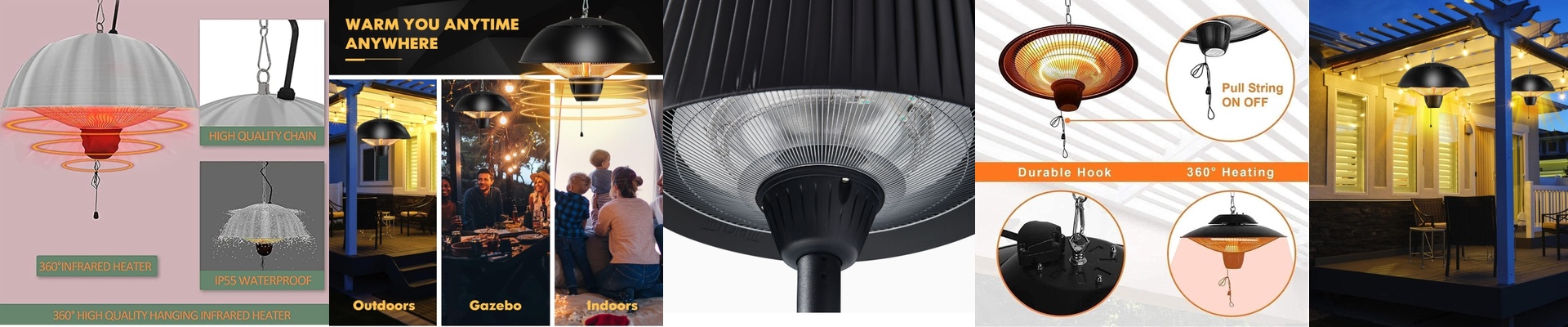
If you’ve ever put an infrared heater in a bathroom, you know the struggle. You’re dealing with a nasty mix of high heat and constant moisture. It’s a recipe for disaster. Usually, these things fail because water sneaks into the housing or the glass tube just gives up and cracks from the temperature swing. To stop that from happening, we stick to two things: IP65 seals and explosion-proof quartz. The deal with IP65 Think of an IP65 rating as a shield. In a shower, you’ve got steam everywhere and random splashes hitting the unit. We seal up the wiring and the chassis tight so moisture can’t touch the live electrical parts. If you don’t have that seal, you’re asking for leakage currents. And in a wet bathroom? That’s a huge safety risk. We’re not just trying to save the equipment; we’re trying to make sure nobody gets a shock. Why the “Explosion-Proof” glass? Regular glass is fragile. If it’s scorching hot and a cold drop of water hits it, pop—it cracks. We use a high-purity silica quartz instead. It can take the heat. We’re talking about a tube that stays solid even when the outside is 500°C and a cold droplet lands right on it. It’s a lifesaver, because the second that glass fails, the internal filament hits oxygen and moisture and burns out instantly. Game over. A few things to watch out for These heaters are incredible for instant warmth, but they gethot. Like, really hot. Don’t mount them flush against your ceiling or any flammable material. Give them at least 150mm of breathing room, or you’re going to end up with a scorched ceiling. Also, check your circuit breaker. Quartz elements have a big “inrush current” when they first kick on, so your electrical panel needs to be ready for that hit. And please, use heat-resistant cabling. Standard wire insulation will just melt over time, and that’s a headache you don’t want.