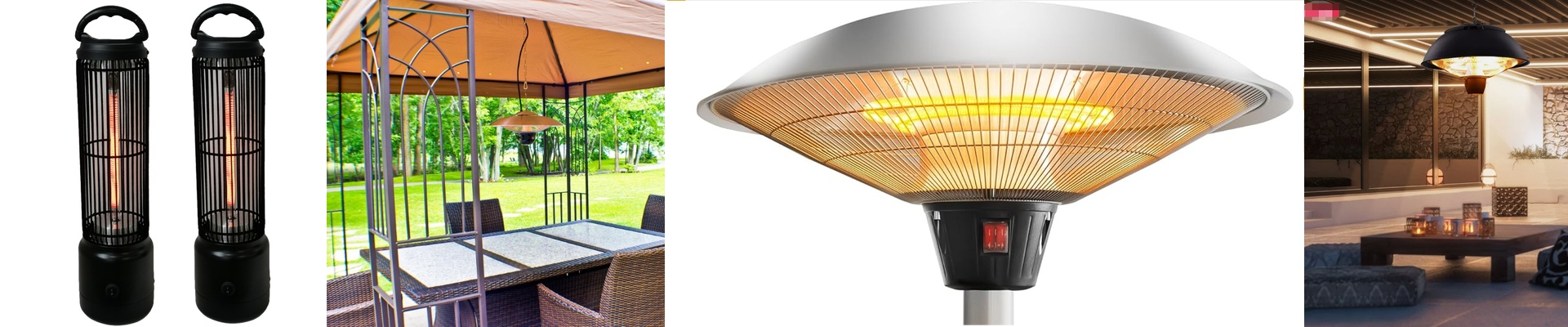
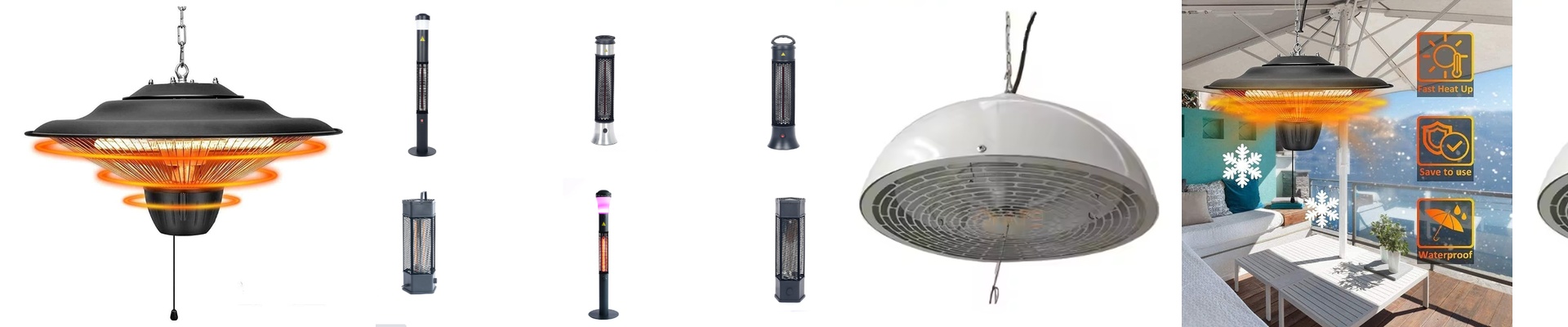
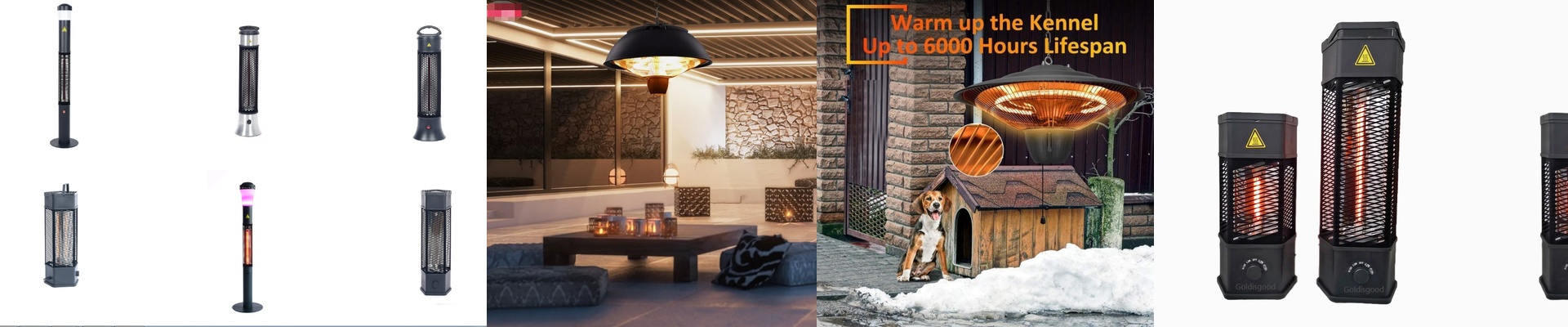
Why Most Bathroom Heaters Die (and How We Fixed Ours)
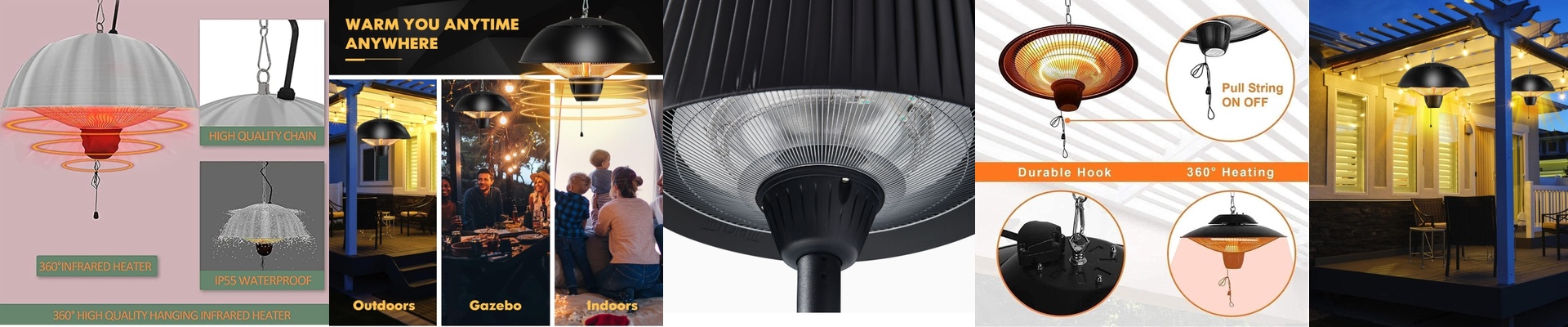
Let’s be honest: bathrooms are a nightmare for electronics. You’ve got steam everywhere, constant humidity, and the occasional stray splash of water. For a standard infrared lamp, that’s a death sentence. It leads to rust, short circuits, and a heater that quits right when you actually need it. We didn’t want to build something that just “works for a while.” We wanted something that lasts. Stopping the leaks Water getting inside is the fastest way to kill a heater. If a single drop bridges the gap between electrical terminals, you get an arc flash—which is a fancy way of saying it pops and dies. To stop that, we use heavy-duty silicone gaskets and reinforced seals around the lamp housing. It basically wraps the guts of the machine in a protective shell. You can have the shower running full blast, and the live contacts stay bone dry. The battle against fog Then there’s the condensation. You know that cloudy film that forms on the glass? It does more than just look messy. That film actually traps the heat inside the glass instead of letting it radiate out into the room. When the heat gets trapped, it creates “hot spots.” Over time, that stress makes the glass crack. We solved this by adding a special coating to the reflector and housing. It manages the surface tension so the fog doesn’t build up, keeping the heat steady and the glass intact. The tricky part: Breathing Here’s the thing: if you seal a heater too tightly, it can’t breathe. It starts to cook its own internal wiring. It’s a balancing act. We spent a lot of time figuring out where to put drainage vents that let the internal pressure equalize and let moisture escape, but are positioned so that splashes from the outside can’t get in. It’s a subtle detail, but it’s the difference between a heater that lasts two years and one that lasts ten. One quick tip, though. Even the best heater can’t fight a room with zero ventilation. Make sure your bathroom fan is actually doing its job. If the air never moves, the humidity just sits there, and eventually, it’ll wear down any piece of hardware you throw at it.