

Keeping Your Infrared Heaters Safe in Wet Zones
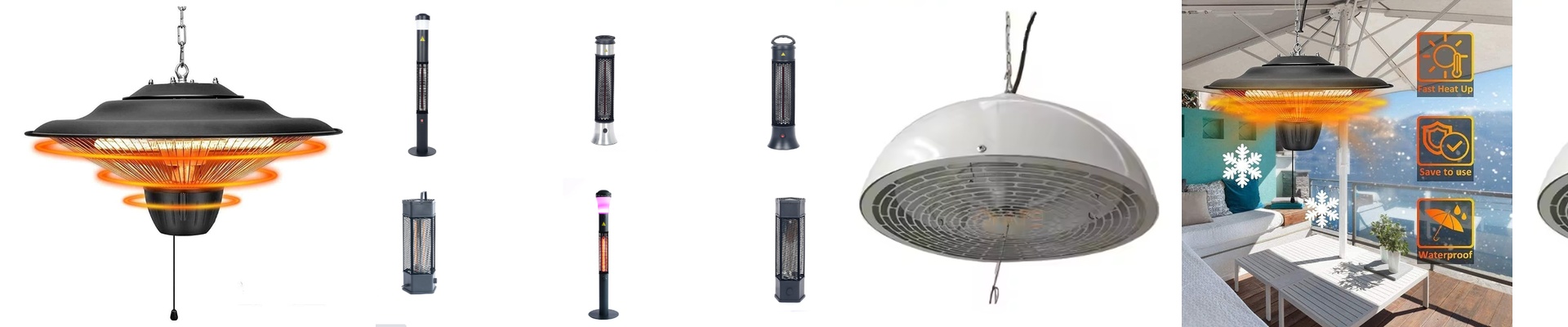
If you’re putting infrared heaters in a bathroom or a damp warehouse, you’re basically inviting moisture to try and ruin your day. Water vapor and live heating elements don’t get along. One little leak, and you’re looking at short circuits or ground faults. To get that IP55 rating, we have to focus on two things: keeping the water out and making sure the electricity stays exactly where it belongs.
The Battle Against Water
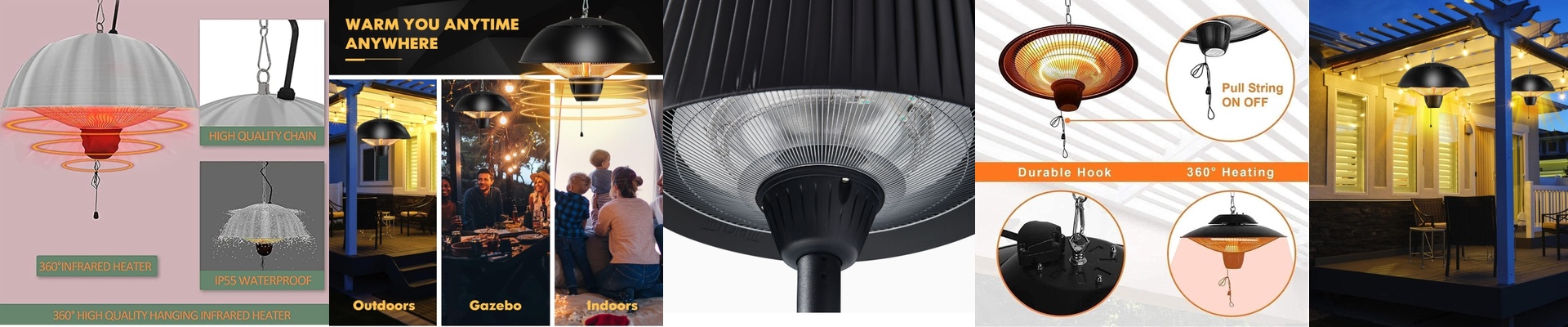
IP55 sounds like technical jargon, but it really just means the unit can handle dust and low-pressure water jets hitting it from any angle. A plastic shell isn’t enough. We use silicone gaskets and sealed cable glands to stop moisture from sneaking into the wiring terminals. Because here’s the thing: if water finds its way into the junction box, your insulation resistance tanks and your RCD will trip. Not a great way to start the morning.
Locking Down the Electricity
To make sure the system is truly isolated, we lean on high-temp ceramic insulators and double-insulated wiring. The goal is to keep the heating element physically separated from the chassis. We also set up the grounding so any leakage current has a safe place to go. It’s all about making sure the dielectric strength doesn’t buckle when the system is running at full blast.
The Catch (Because there’s always one)
Tight seals are a bit of a double-edged sword. While an IP55 enclosure is great for keeping water out, it’s also great at trapping heat. If you cram a high-wattage lamp into a small, sealed box, the temperature inside can skyrocket. You’ve got to double-check your thermal math. If you don’t, you might find your wiring insulation melting or degrading just because the heat had nowhere to go. Bottom line? Wire it up with a dedicated GFCI breaker. It’s the only way to sleep easy when you’re dealing with wet zones. If a seal fails, the breaker kills the power before anyone even feels a spark.